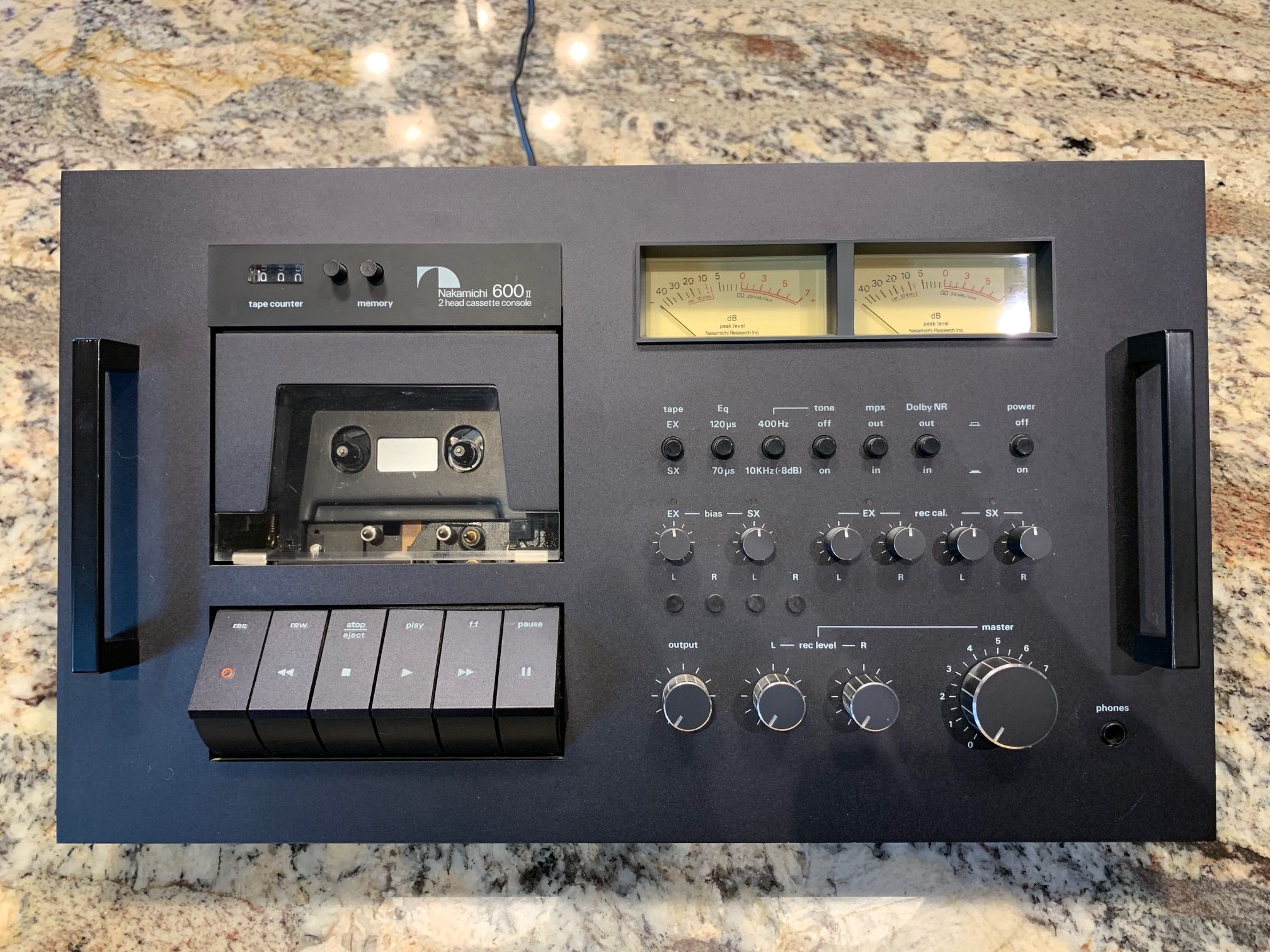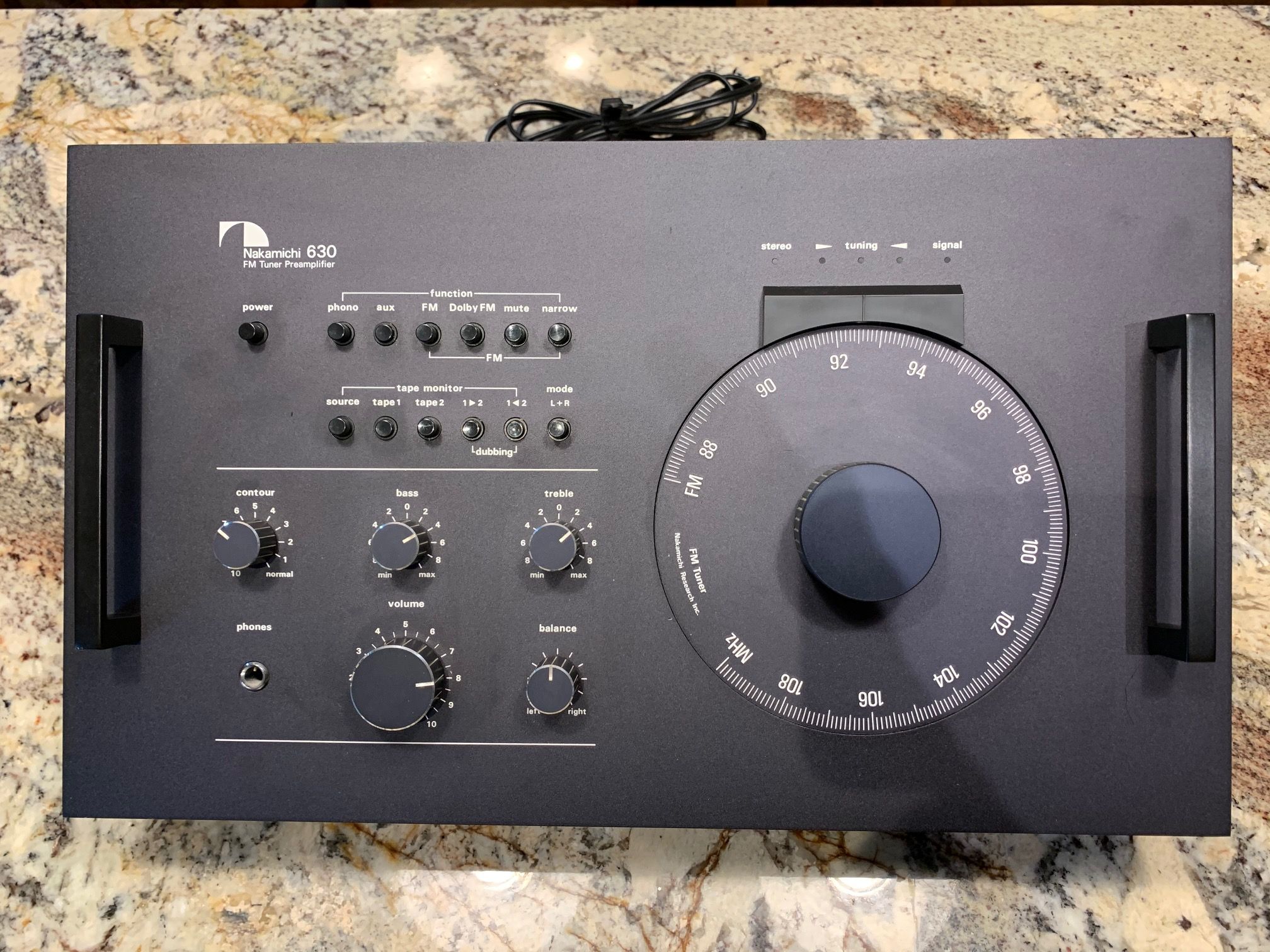
My Stereo Equipment Obsession

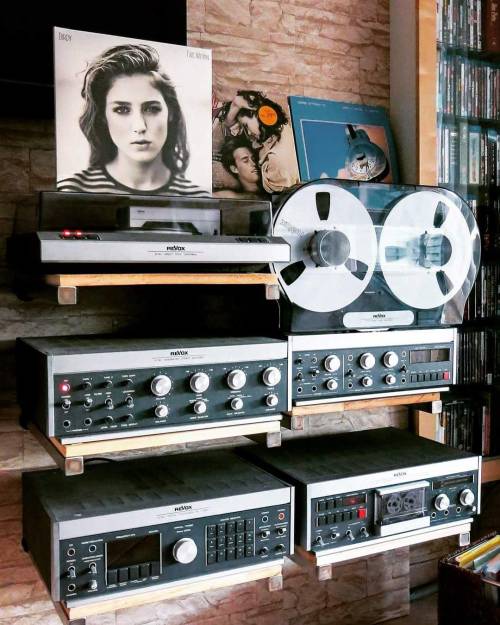
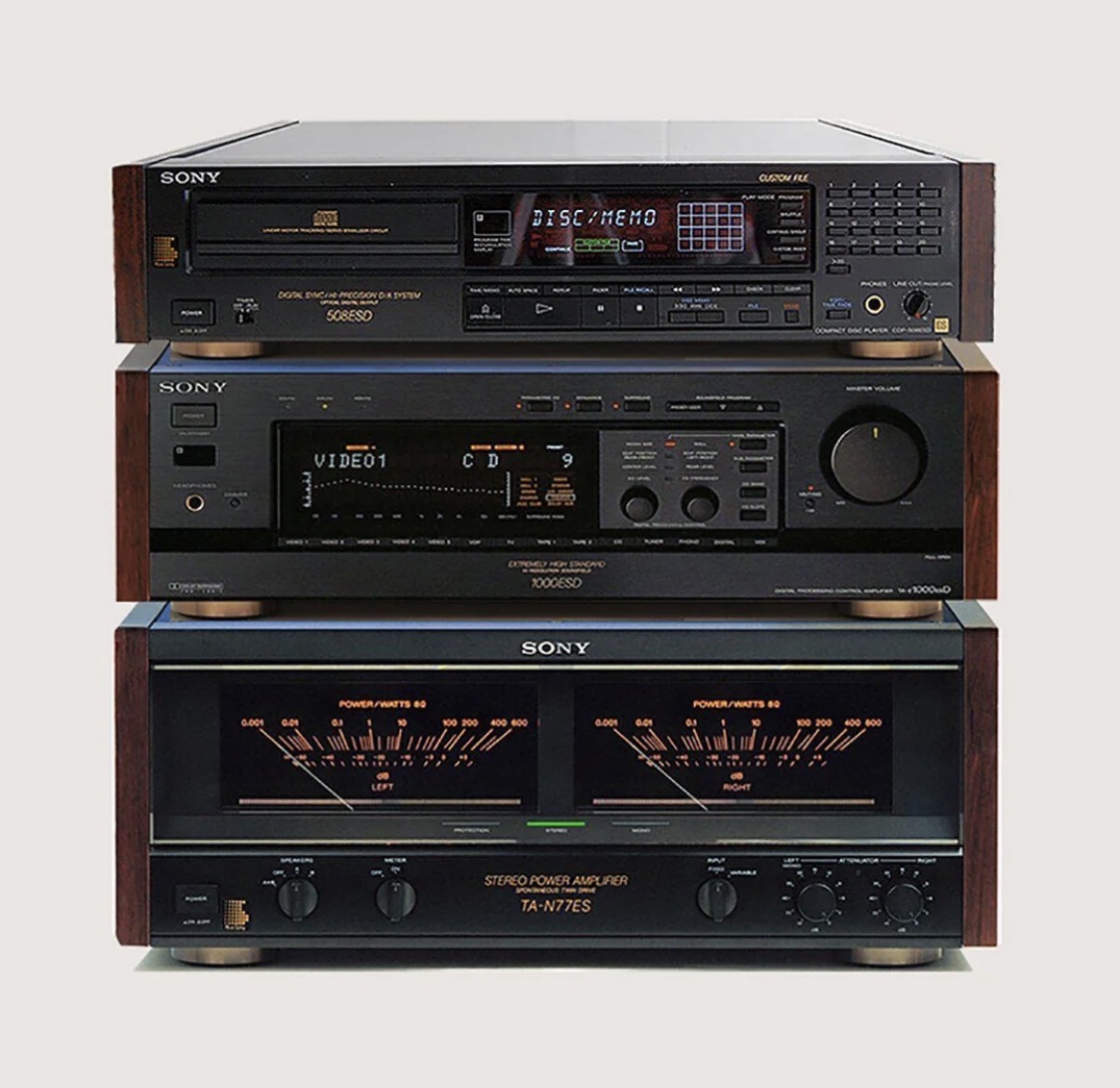
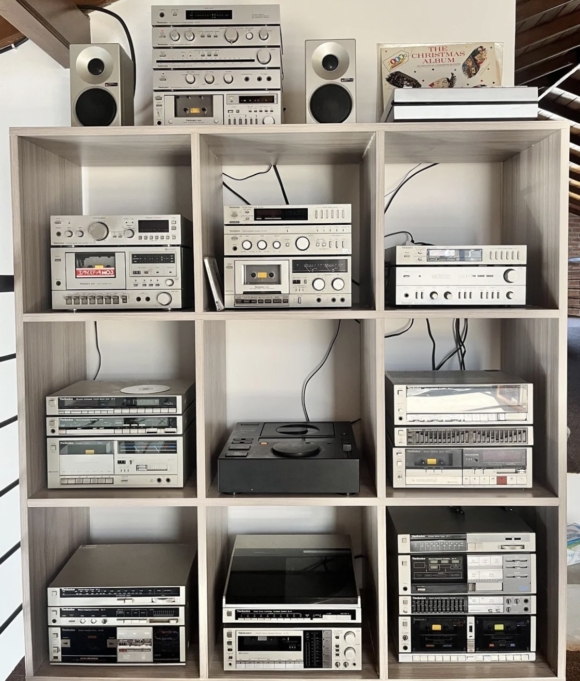
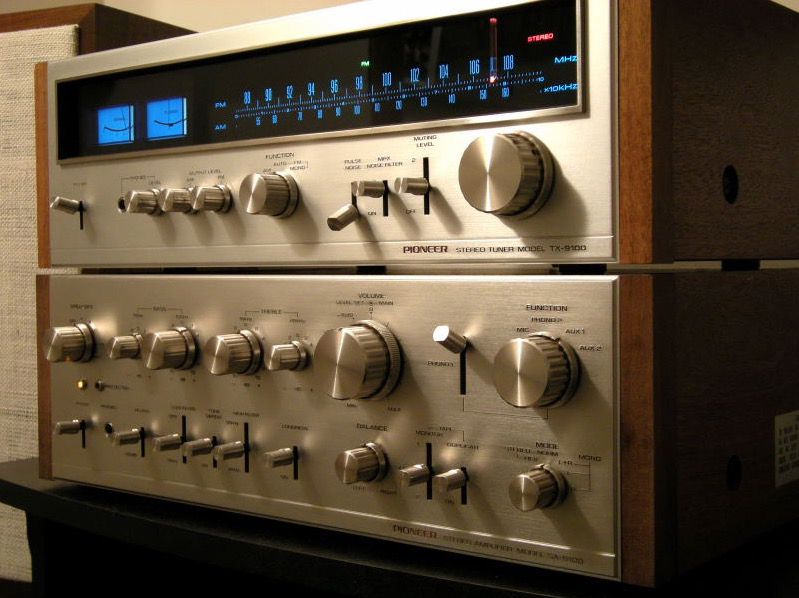
I wouldn’t call myself an audiophile per se. I mean, I don’t go to CES and attend private listening sessions of $30K speaker systems in rented hotel suites, but I do appreciate—even with my age compromised hearing—good sound and well-made, reasonably priced hardware. And if you’ve spent any time at all on my blog, you know I have a passion for—some would say obsession with—vintage stereo gear. As I’ve documented previously, this began in high school with the encouragement of my friend Ken, and this passion has continued unabated to this very day.

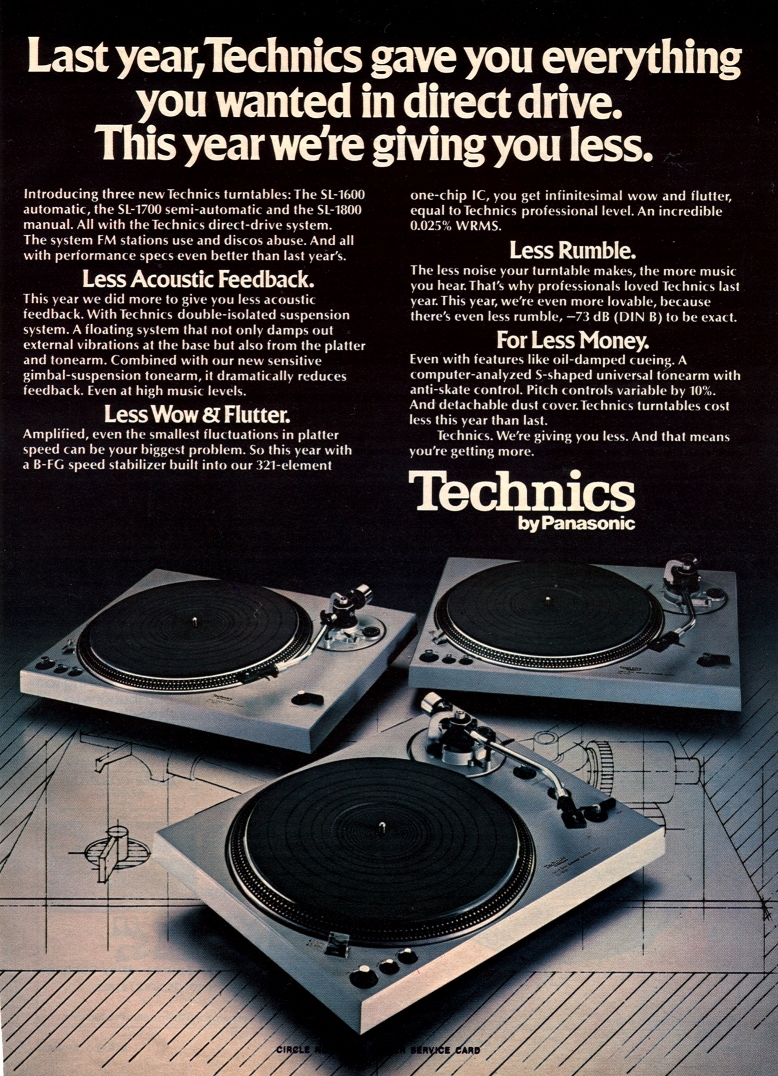
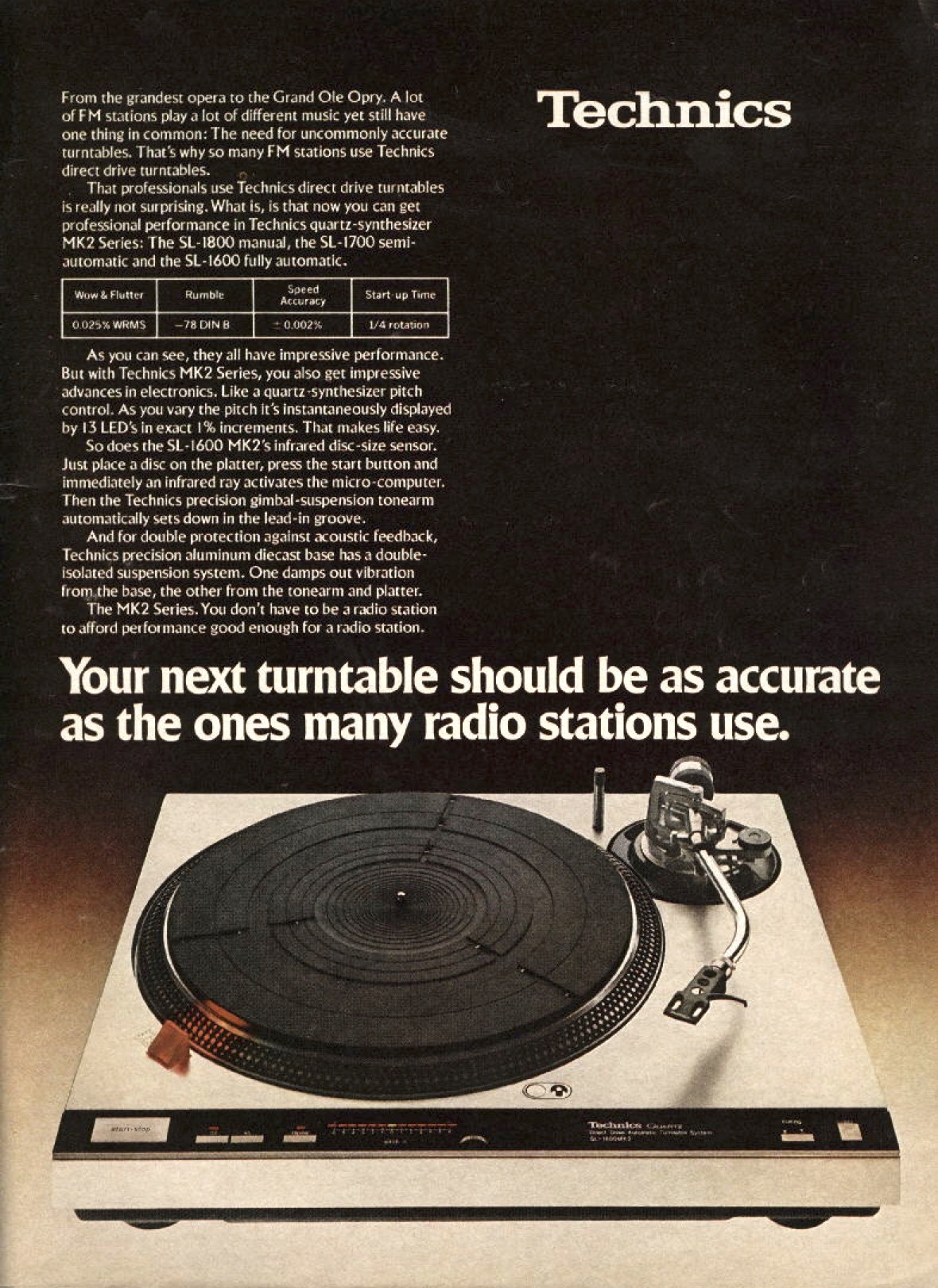
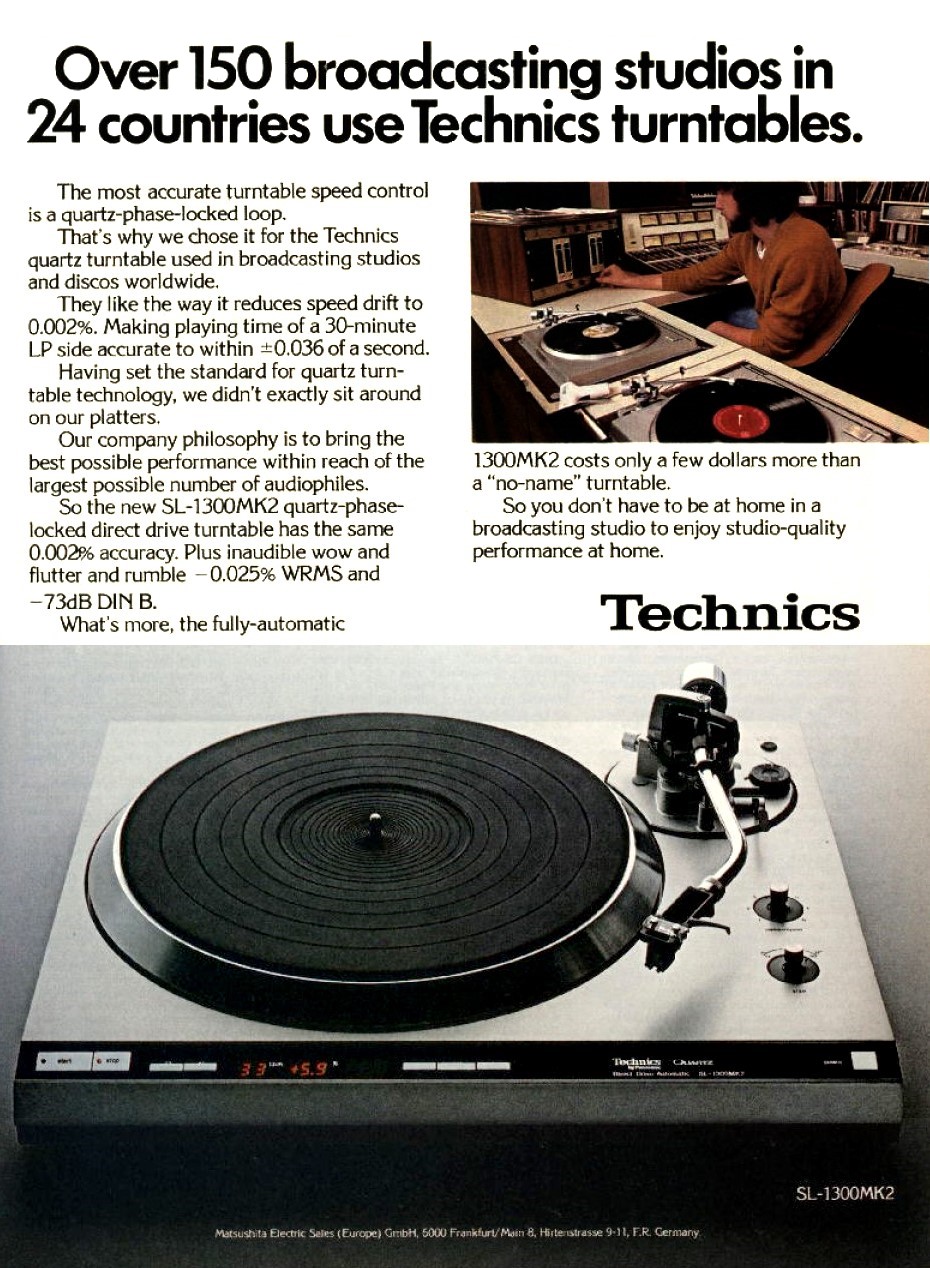
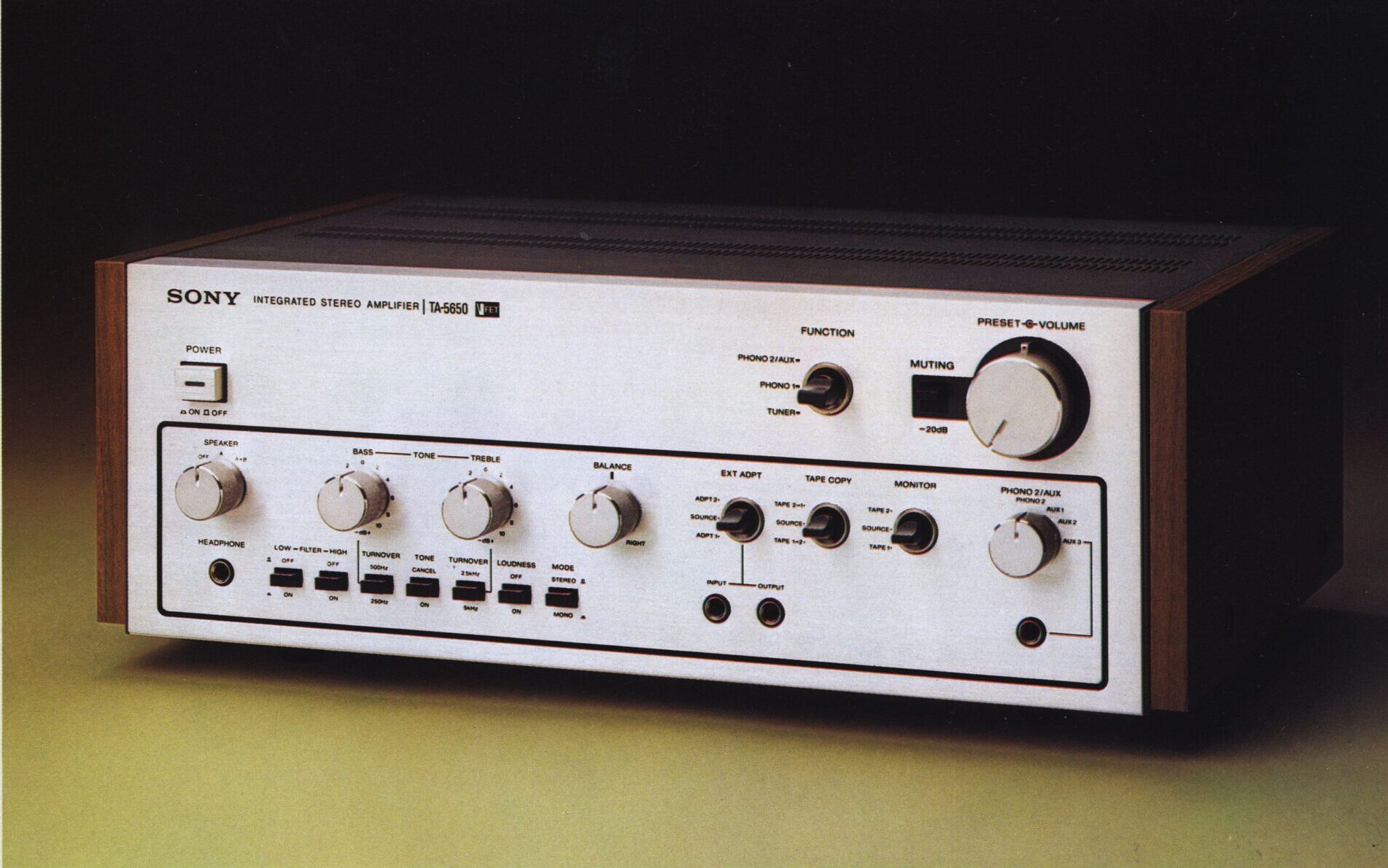
It started innocently enough, with a Panasonic receiver/dual 8-track player combo in 1972. Yeah, I know this wasn’t “hi-fi” by any stretch of the imagination, but it was all I could afford after saving up my household allowance for God knows how long. Ken—despite his seemingly endless financial resources—never snickered at my purchase, but always told me what was most important was how it sounded. To that end, shortly after my high school graduation, I upgraded to some real hi-fi equipment: a Sony TA-5650 V-FET amp, Technics SL-1600 turntable, and Infinity 1001A loudspeakers.
But still, when I think of the thousands of dollars I’ve spent (and honestly, wasted) over the past fifty years in pursuit of good sound, it boggles my mind.

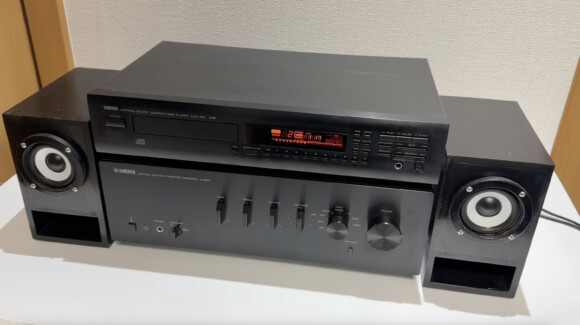
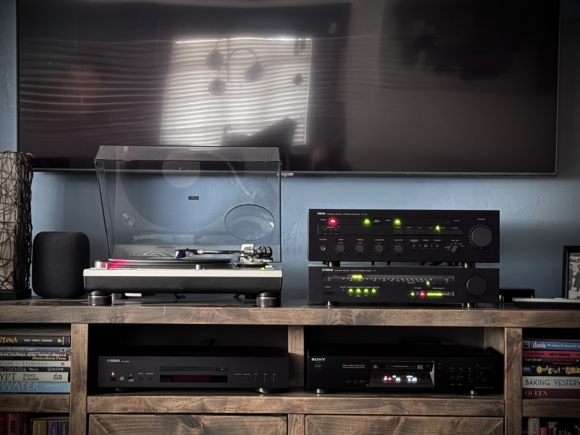
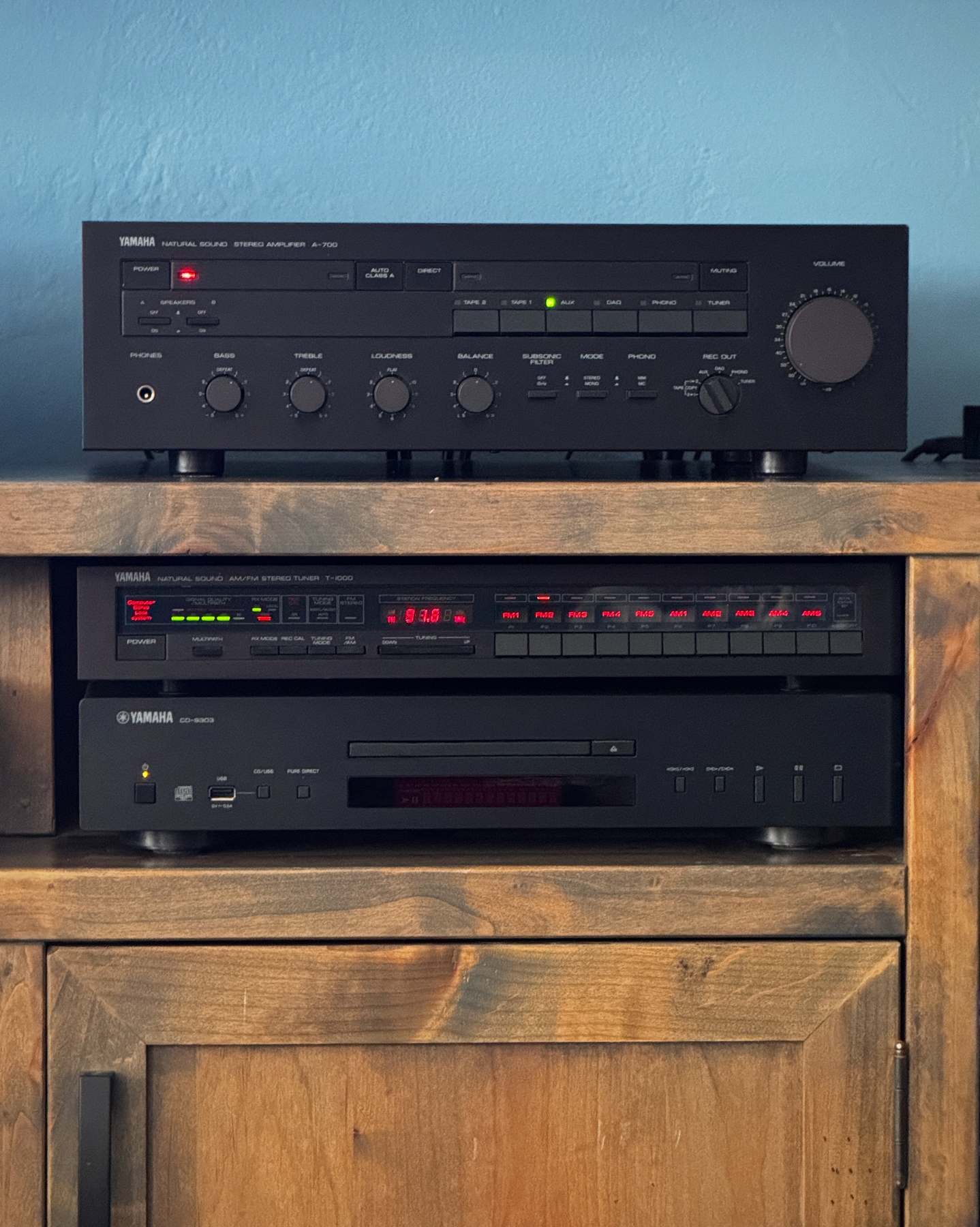
But surprisingly, it wasn’t always this way. My home has not always been a revolving door of equipment coming and going. In fact, from 1985 thru 1999, my system was unchanging. I thought it sounded great and I felt no need to change out or improve anything. It consisted of a Yamaha A-700 amp (in my current system), a Yamaha CDX-730 CD deck (was in my current system until recently when it started refusing to play certain disks), a Yamaha K-540 cassette deck, a Technics SL-1700Mk2 turntable that I’d owned since the late 70s, and a Phase Tech PC60 satellite/subwoofer speaker system.

Then I discovered eBay, and—for possibly the first time in my life I had more than a little disposable income—the trouble started.

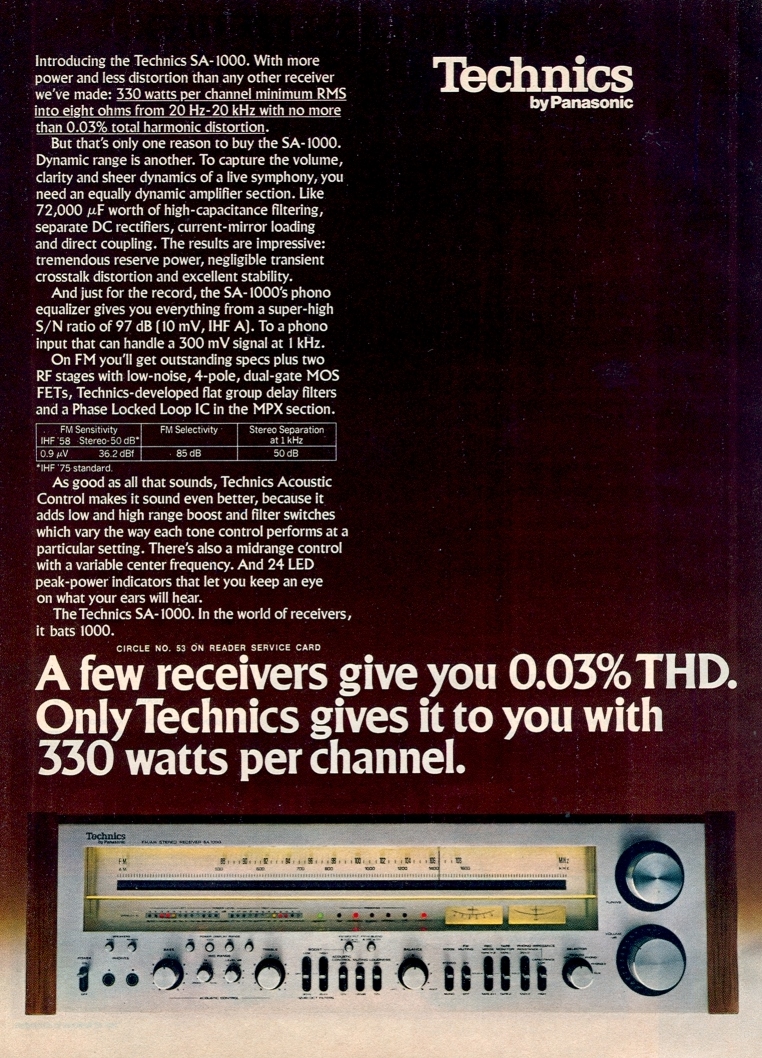
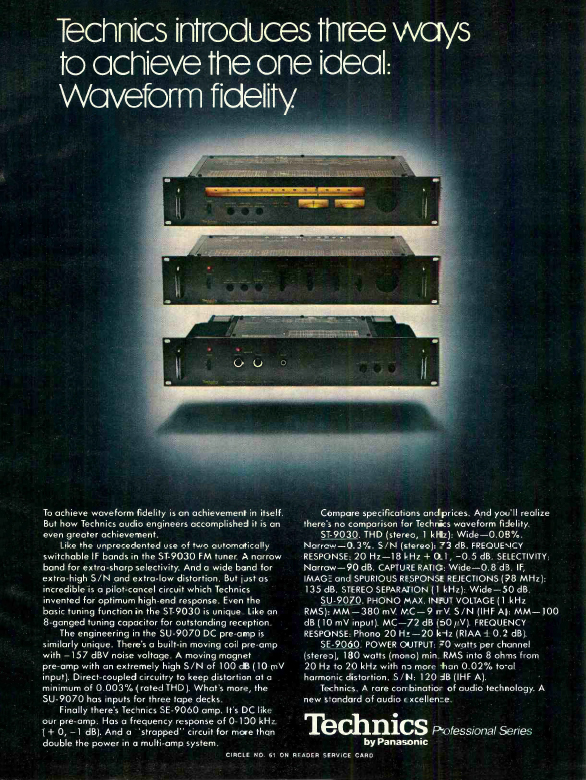
My first purchase was a Technics SA-800 receiver. I remembered drooling over this whole line of receivers back in 1978. The styling was so different than anything else on the market at the time and the first time I saw them I got whiplash walking past. Gone were the typical blue or green on black backlit tuning dials, replaced by soft, indirect lighting shining down on brushed aluminum.
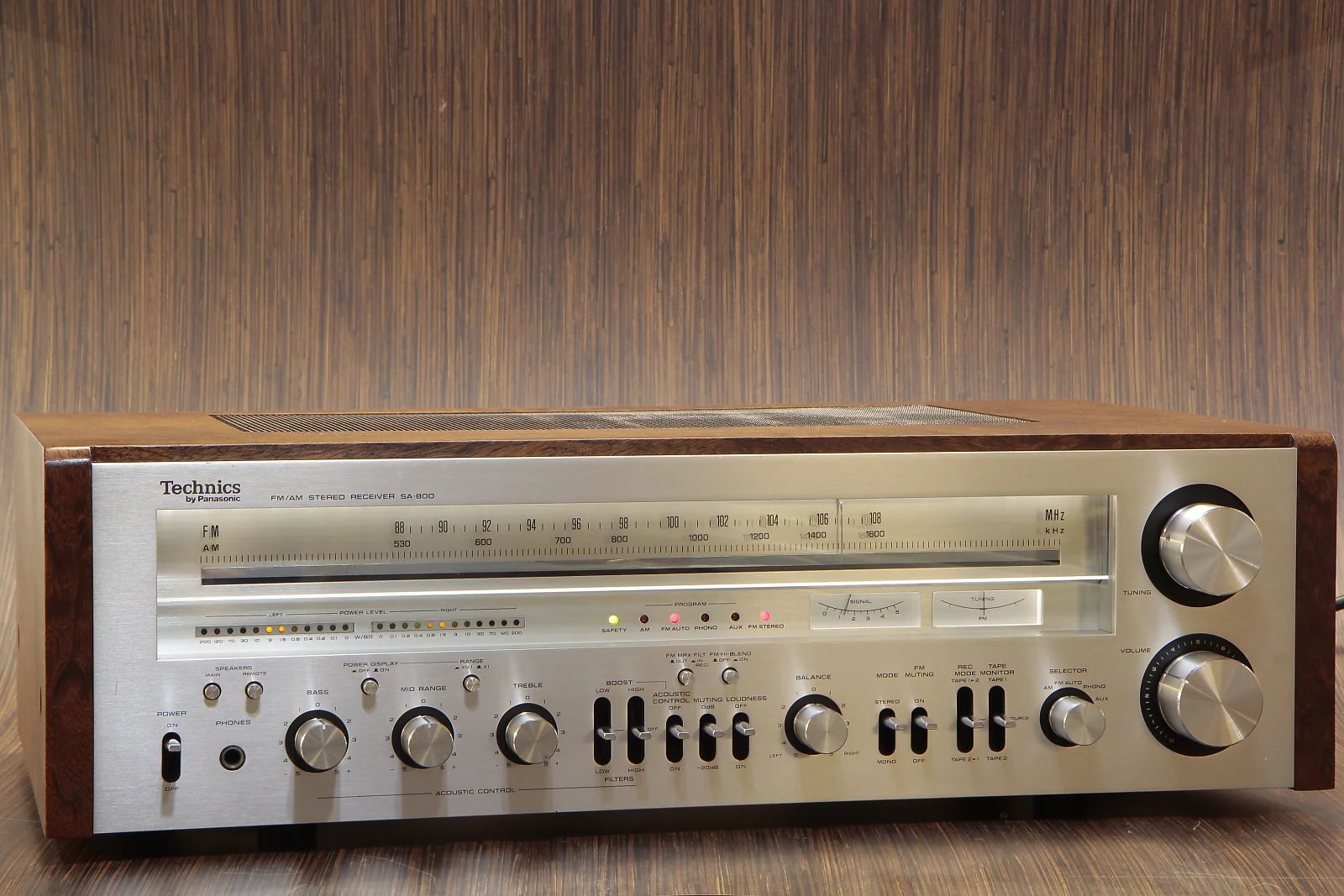
But sadly, at the time, they were out of the range of my limited budget and I was still stubbornly hanging onto my Sony V-FET amp that regularly blew up and had repaired because—at least when they were working—”V-FETs just sounded better.”

But there it was in 1999, the second-to-top-of-the-line 125 watt-per-channel monster I’d salivated over twenty years earlier for $165 plus shipping. If they show up for auction today they can’t be touched for less than $1000, not that I’d want one again after having owned one. (Another story for another time.)

Anyway, I had it delivered to my offivre and was amazed at how pristine it looked. Yeah, a couple bulbs providing that indirect lighting were burnt out, but it was otherwise flawless. I had to drive downtown after hours to retrieve it since there was no way I could haul the beast home on the metro, and once I got it into the house, I hooked everything up and was in heaven. Yeah, a few of the switches and pots were noisy (something I now know is an easy fix, but back then vexed me no end), but otherwise it sounded great.

A month later, my faithful Yamaha A-700 was my first eBay sale.

It took me a little over two years to tire of the Technics receiver. The burnt out lights got replaced, and I did my best to clean and lubricate the noisy switches, but it just didn’t sound as good as my old Yammie.

Another A-700 (along with its matching tuner, the T-700) showed up on eBay in September 2001. It was located in Los Angeles. I corresponded with the seller and he said everything was in perfect working order; it was his office system and he needed to downsize. $188 and a day-long drive down to Woodland Hills and back, and it was mine.

I got home around 10 pm that night, and while exhausted, disconnected the Technics and hooked up the Yamaha. I put on a CD and…nirvana. That deep, tight bass and the crystal clear high returned to the music. Absolute nirvana. The difference in sound quality was like night and day. I swore I’d never get rid of it.
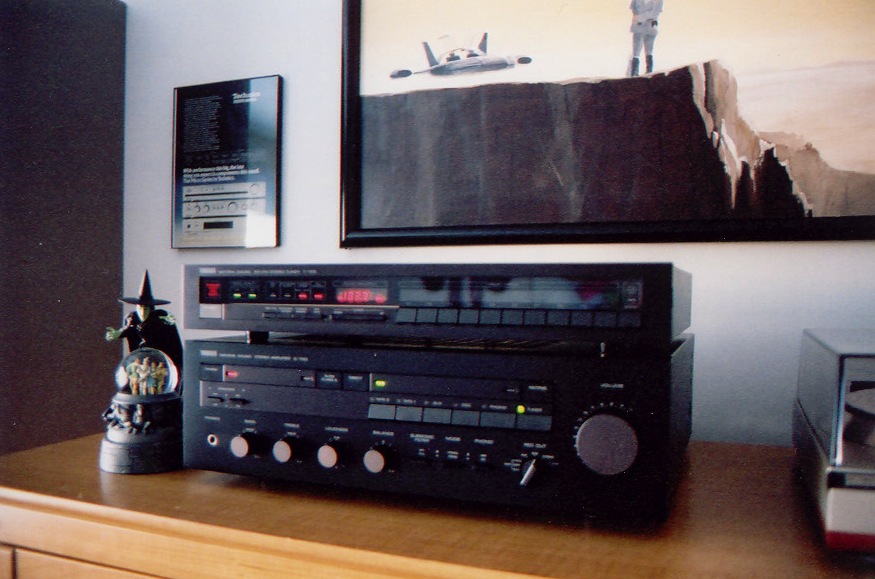
Unfortunately the Universe had different ideas. Shortly after moving back to Phoenix, I got my first cancer diagnosis and suddenly found myself out of work and short of cash. Up on the auction block it went.

After I’d finished my treatment and found work again, I replaced the Yamaha with a Kenwood KR-7400 receiver from 1974. I’d always liked this model, and was very happy with it. Why didn’t I try to find another Yamaha? No fucking idea. I’m sure I had my reasons at the time, but I have no memory of what they were.

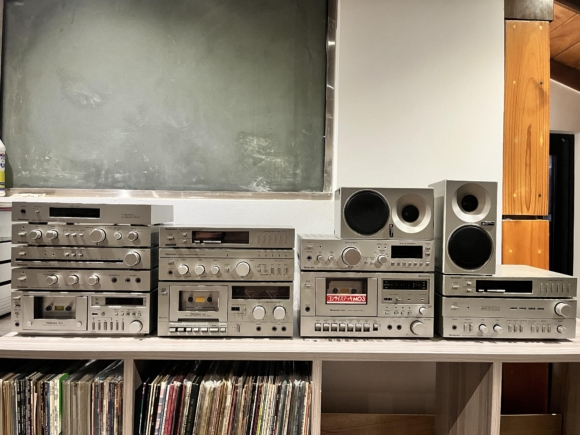
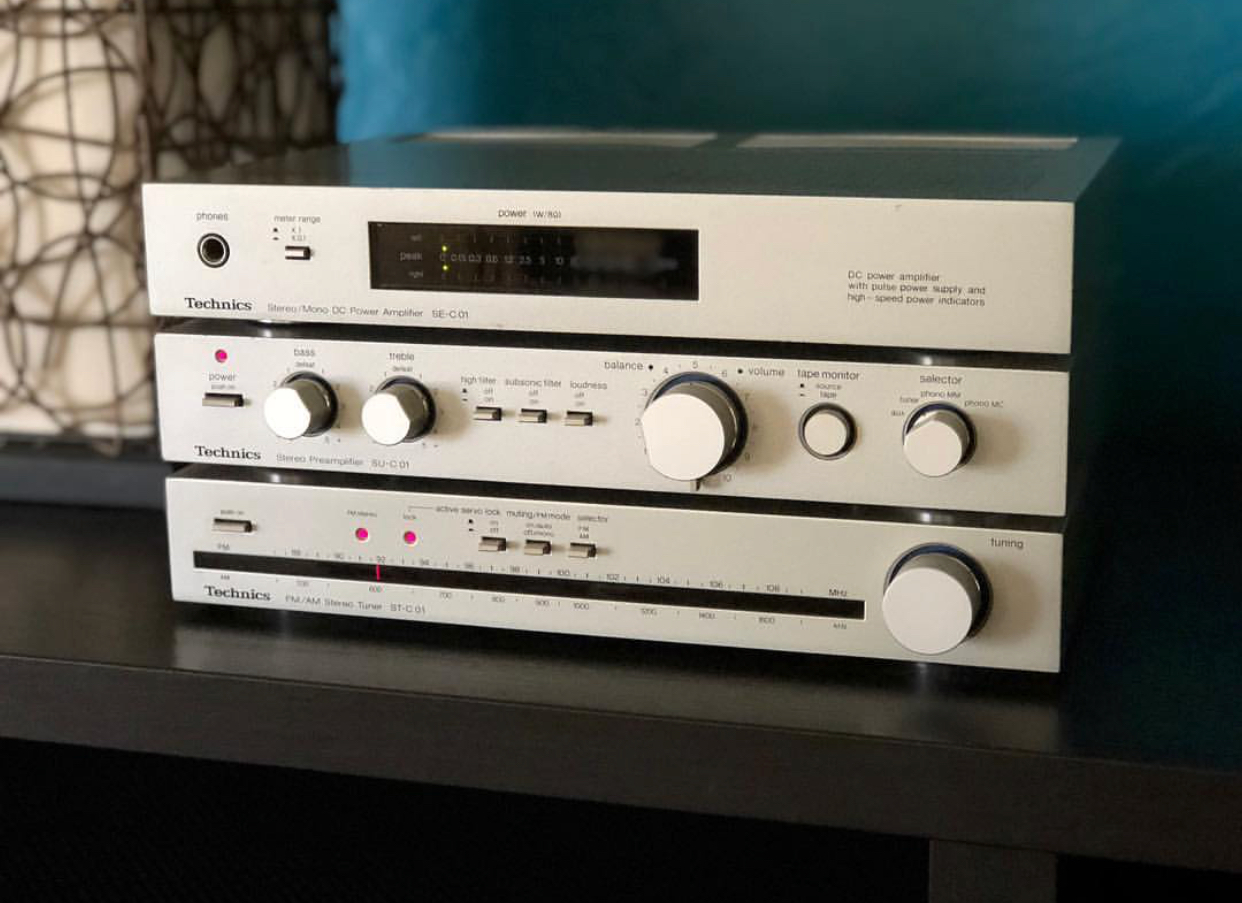
I kept the Kenwood until 2018, when another bit of nostalgia from my youth reared its ugly head on eBay: the Technics “Concise” series of mini components. By this time I knew myself well enough to hold onto the Kenwood in case I wanted to go back to it, so it was merely retired and put in a closet.
And then, in 2020 (foolishly thinking we’d come out of that year relatively unscathed) the fire happened.

The firemen—to their absolute credit—moved the entire entertainment center out onto the front porch and I was able to salvage everything. The Kenwood was also spared, stored as it was in a closet that didn’t get wet.

But y’know, when it came time for us to go through the house a few days later and pull out or mark for the restoration company those items we absolutely wanted to keep, I looked at the Kenwood that had previously been giving me tuning dial illumination issues, and I just left it. Or maybe I told our landlord to take it. Honestly at this point I don’t remember. It was one of those items that just went missing—just like my DVD collection and the banker box of CDs I’d kept for sentimental reasons.

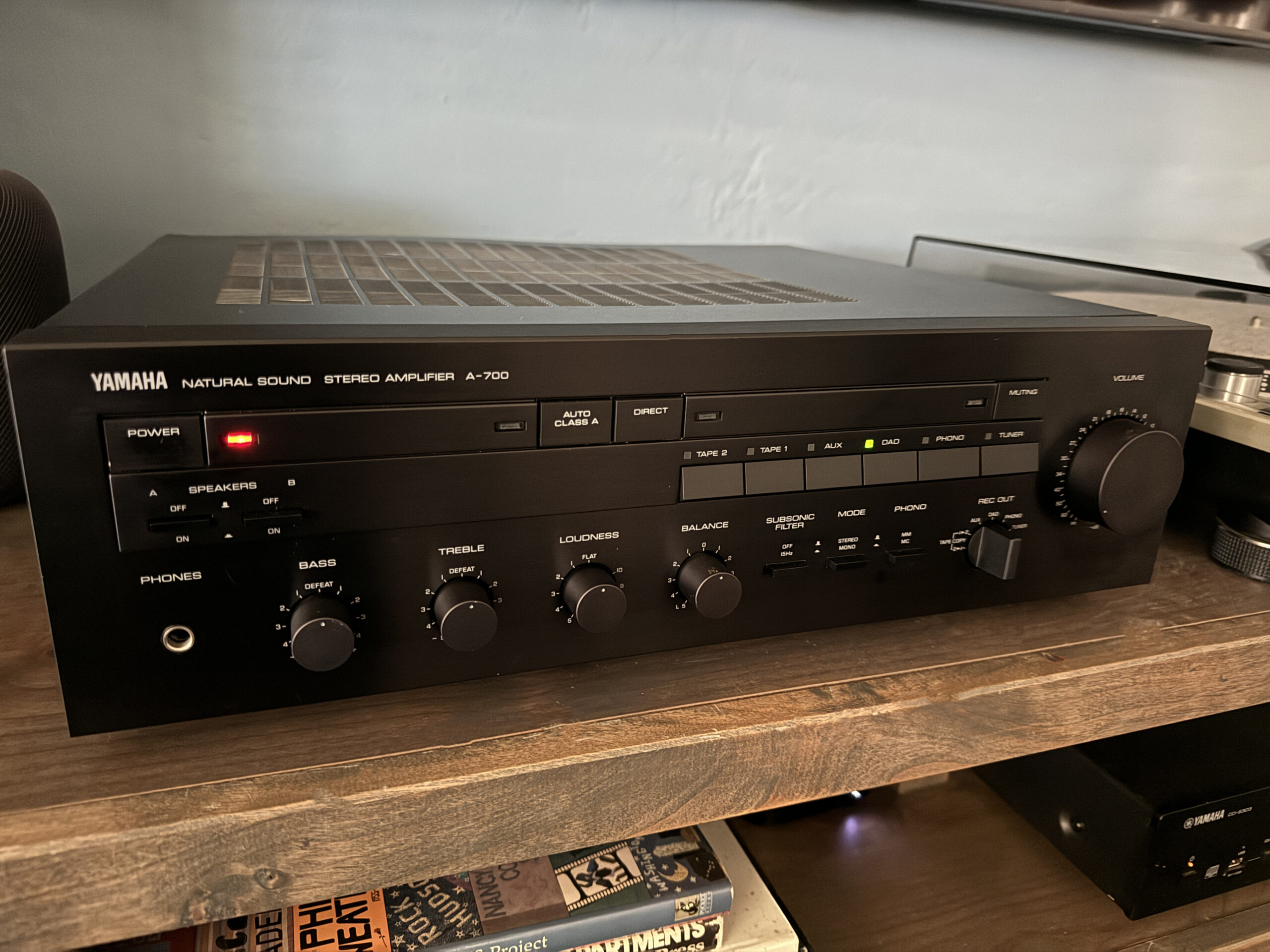
Over the next couple years, I made a couple more questionable purchases until in 2023 I said fuck it, and sought out another Yamaha A-700. It’s been with me since and I’m not going to get rid of it unless it comes down to keeping it or not living on the streets.
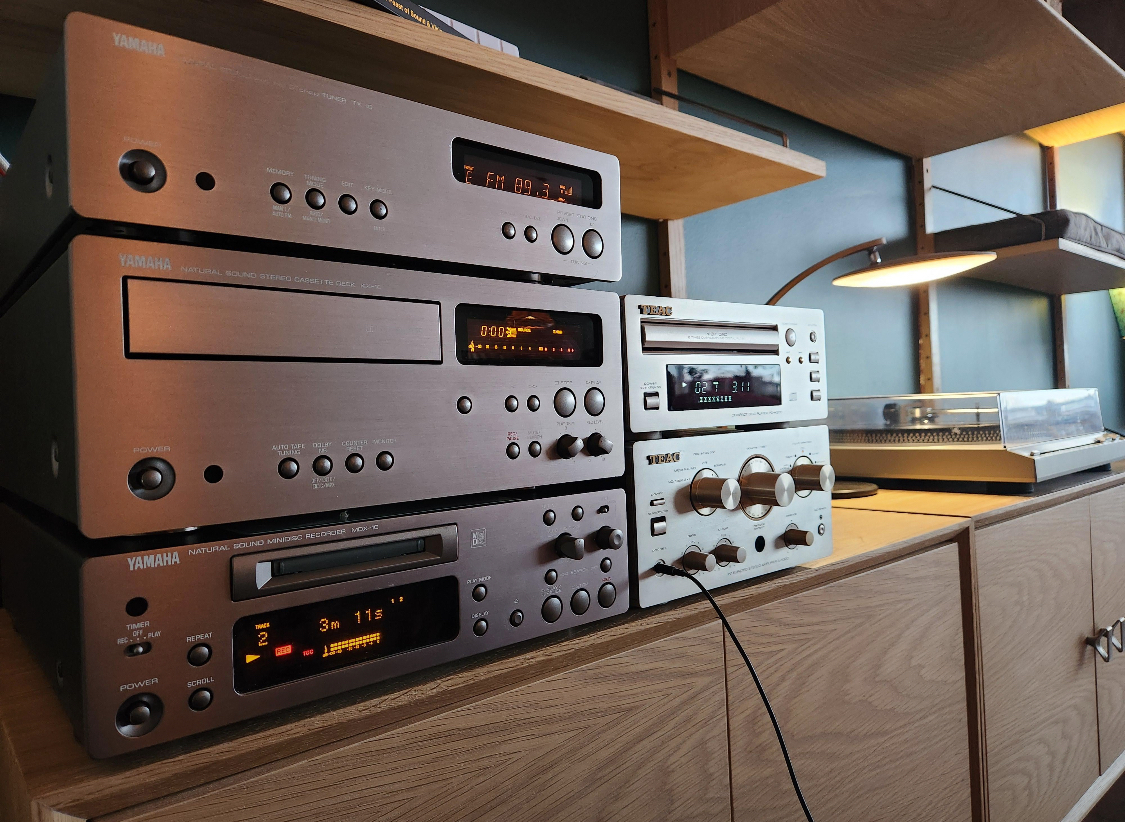
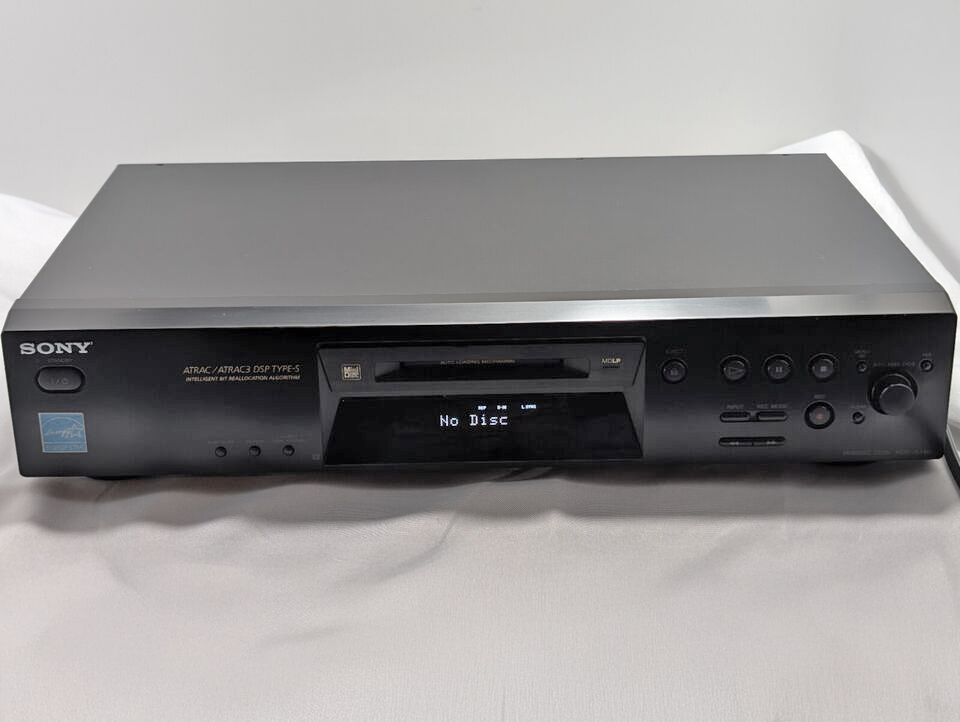
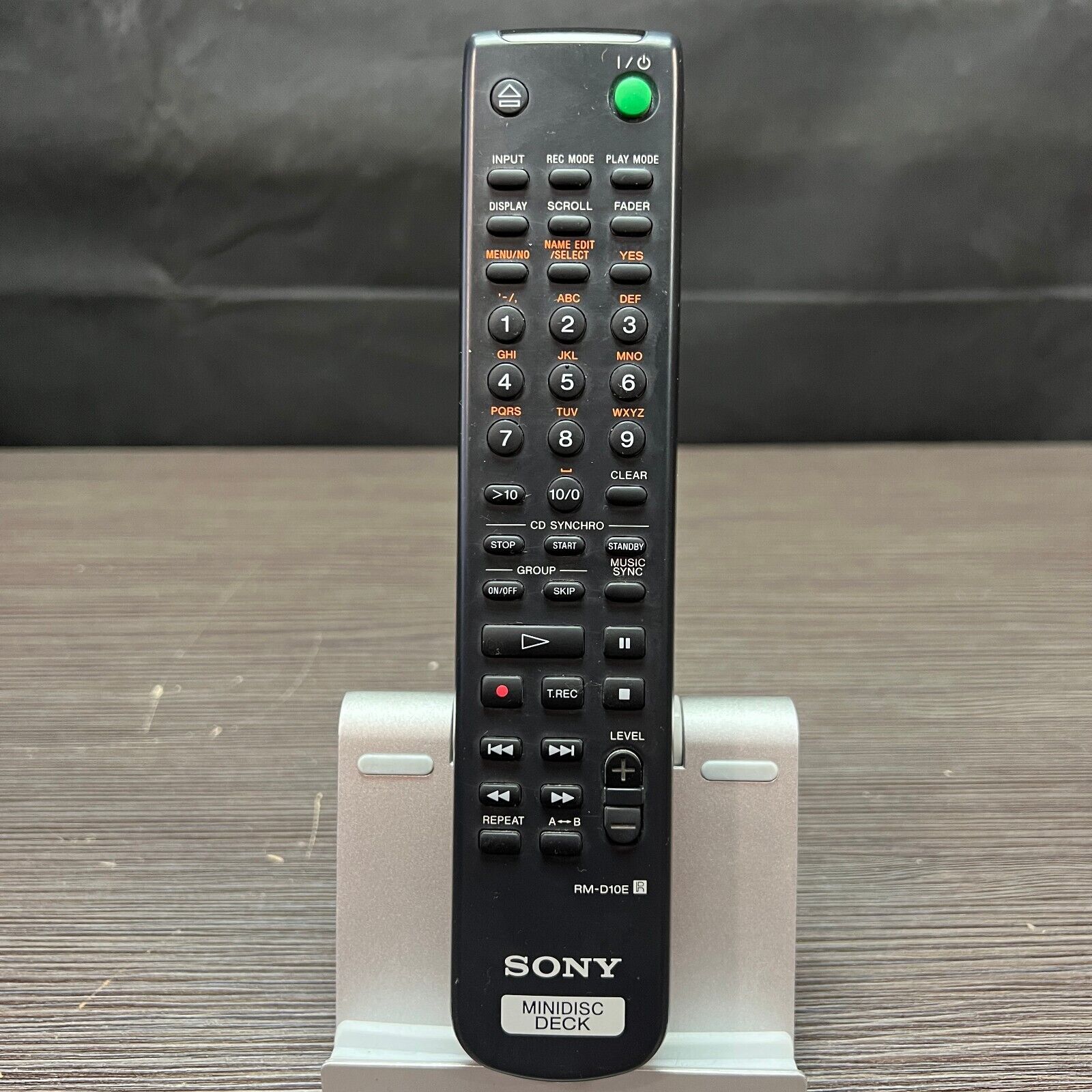
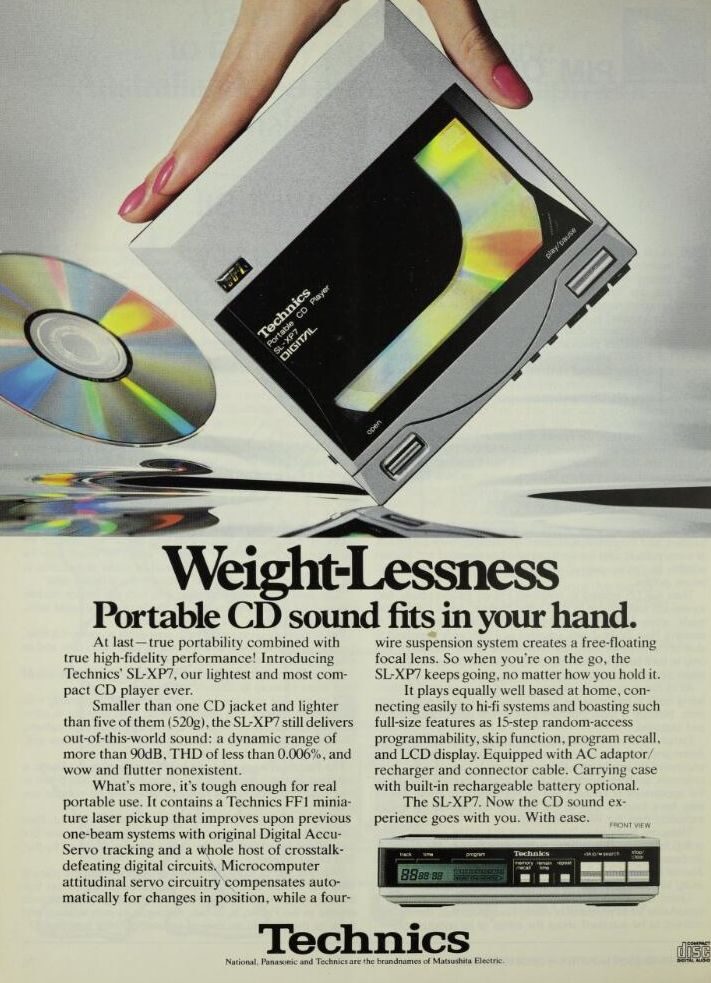
And don’t even get me started on the tuners, CD Discmans, CD decks, MiniDisc Walmans and MiniDisc decks I’ve shuffled in and out of the house over the past three years…

I think I’m finally to the point where I’m satisfied with my system.  I’m feeling the same way about it that I felt about my original Yamaha setup I kept from the mid 80s thru the late 90s. The difference betwen then and now is that I’ve now managed to own (and/or turn around and sell) pretty much every bit of stereo equipment nostalgia that’s gripped me since I got back into this “hobby.”
So Much For Nostalgia

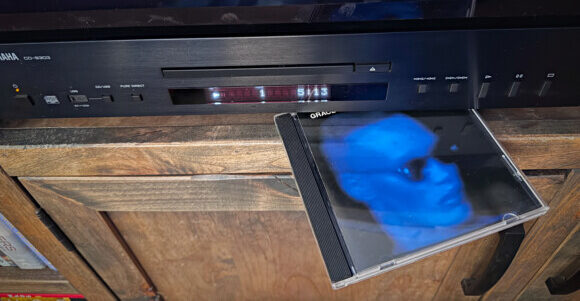
So much for nostalgia. Lately I’ve run across a few—admittedly very few—CDs that glitch out when played on my vintage player that I was gushing over a few short weeks ago. (Honestly, with everything going on in the world should I be surprised?)

So I hauled out the Yamaha player I bought new in 2023, and of course it played anything I threw at it. I prefer the looks of the older Yamaha, but what I really prefer is that whatever unit I use works.

D’oh!

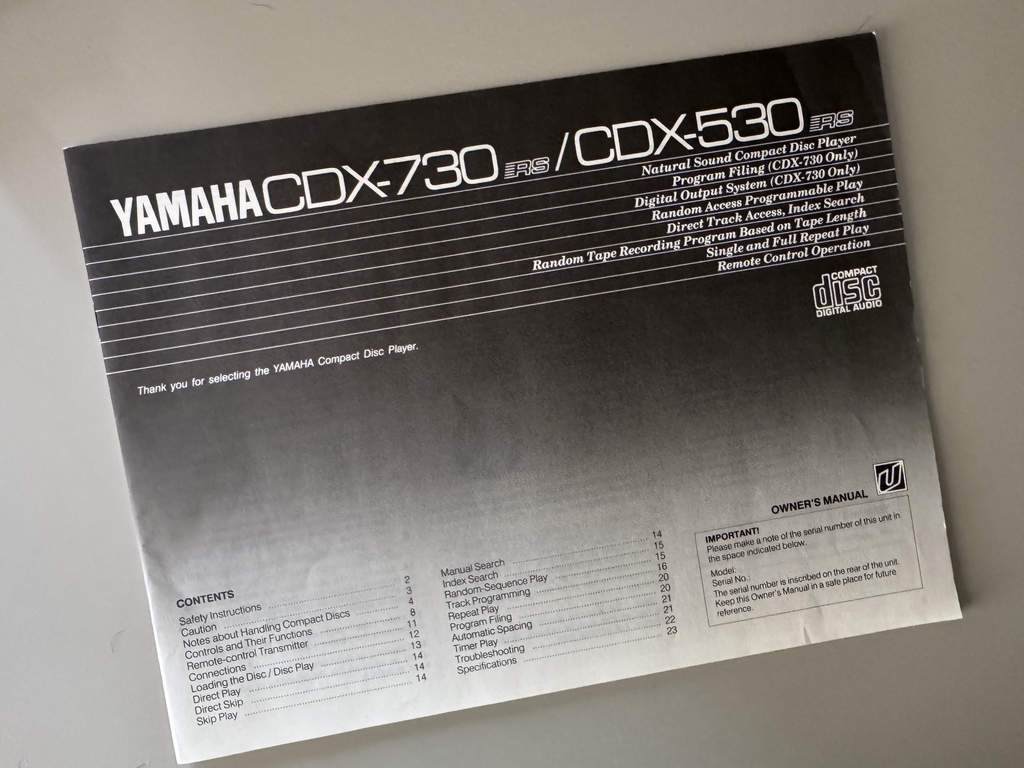
Back in December, when I got my new (old) CD player, it didn’t come with either the remote or the owner’s manual. I could grab a copy of the horrificly scanned—and apparently only—PDF online, but I wanted a real, original, tangible manual. Fortunately, I located one seller who had a copy and I ordered it. A few days later the packet arrived, but he’d sent the Service Manual, an entirely different beast altogether. I emailed him and he wrote back, apologizing profusely and instructed me to instigate a return through eBay. I did as directed and got the return postage mailing label and my account was refunded.

I reached out to the seller a few days later and asked how I could pay for the manual since eBay had already refunded me. After several more days with no response I emailed him again. (This is a seller with a 99.5% positive feedback rating with whom I’ve done business before.) He wrote back and apologized again for the delay, telling me he was out of town and he would “try to find” the correct manual upon his return.

Another week passed and I heard nothing. So I wrote him again. He said he was having trouble locating it.

At this point I said fuck it, and told him not to worry about it. It was obvious he either didn’t have a clue where it was, or he was dealing with something personal that was preventing him from responding in a timely manner and to just forget about the whole thing.

No response. Of course.

Well, apparently this particular manual—much like the matching remote control for my unit—is rarer than proverbial hens’ teeth. I set a trigger on eBay to notify me if one ever showed up again and basically sulked off.

Today, I was attempting to locate the instructions in my desk folders for a CD Walkman I just put up for sale. And what should pop out?

My original instruction manual for the deck that I purchased in 1990!

There was obviously a reason the seller couldn’t find his copy.

Sometimes the universe smiles laughs at you.

In thanks, I’ve scanned this physical copy and upload it to the hifiengine.com repository so a good copy will be available to others.

Hello, Old Friend

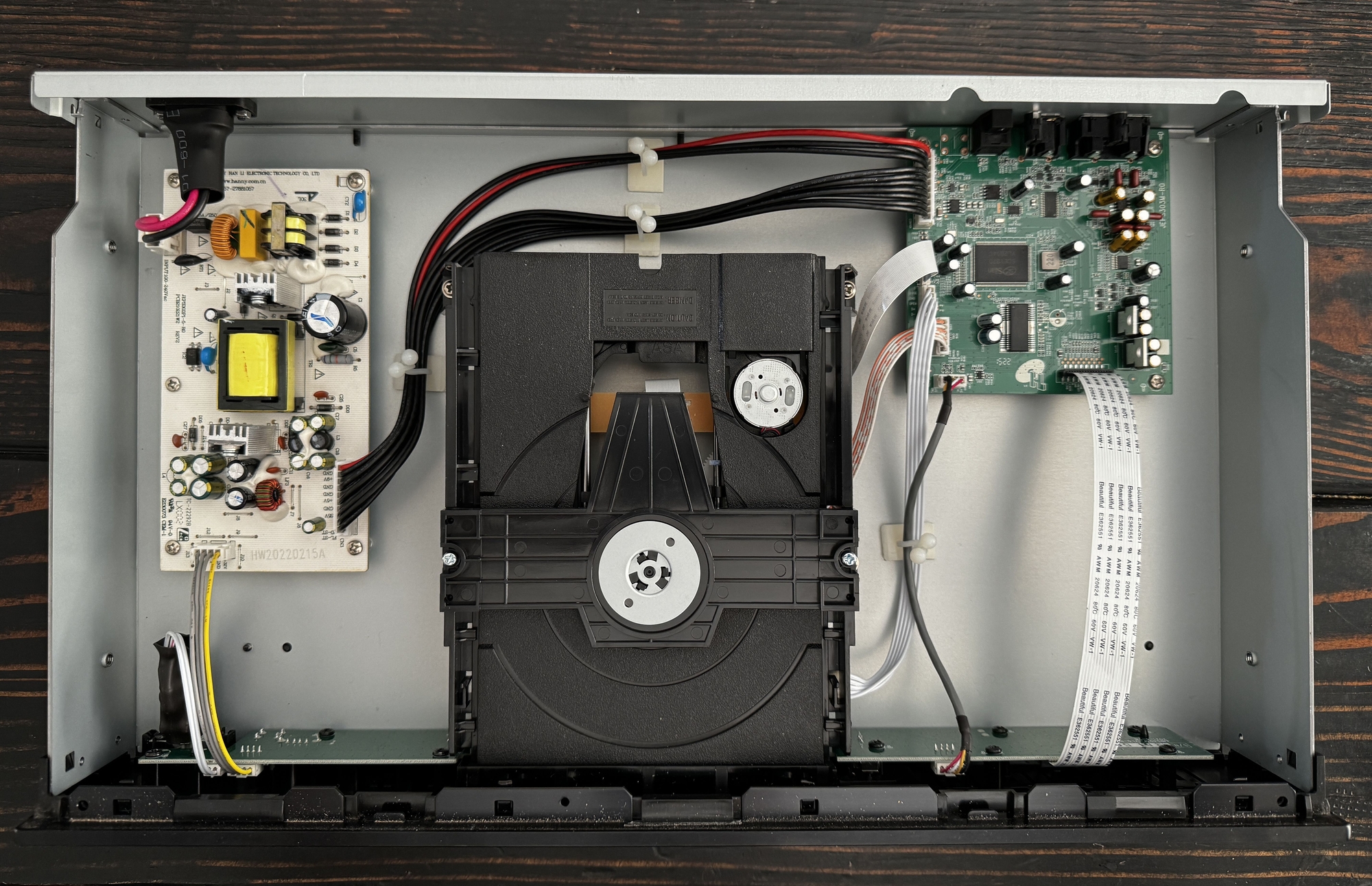
Yamaha CDX-730

My holiday present to myself.

Okay, to most of you, this is just another piece of BPC [black plastic crap] from the early 90s, but to me, it’s an old friend. (And it’s not plastic; that’s an anodized aluminum faceplate and solid metal case.)

I bought this identical model back in July 1990 to replace my very first CD player that I got sometime in the mid 80s. How do I know the date? I was living in San Francisco at the time, I’d just gotten a mid-year bonus, and my mom was visiting. One day we went shopping and I came home with a new futon mattress (it was the 90s, after all), and this little gem.

It was my player for ten years or so and then it just disappeared. I don’t remember getting rid of it, but all of a sudden it was gone from the photographic record—along with my memory of what happened to it. At some point I think I must’ve pivoted to playing all my CDs through my DVD player and probably just felt that it was redundant and didn’t need it any more.

All I’m sure of is that it was gone by the time I moved back to Phoenix in 2002. At some point in 2003—after surviving seven weeks of radiation for my first cancer—I rewarded myself by returning to a dedicated CD player and then flipping units in and out of my system on almost a monthly basis trying to find digital nirvana (buying this shit used was still dirt cheap back then).

At some point between then and 2022 I got rid of my last CD player, only replacing it with a CDX-530 when I decided to get over myself and stop mourning the loss of my remaining discs. (I couldn’t find a CDX-730 at the time.)

When the 530 got too picky about reading discs, and my attempts to resuscitate it failed, I bit the bullet and bought a brand new player. It’s served me well over the past few years, and it sounded fine, but it never truly wowed me, y’know? It lacked the “personality” of those awesome 90s era machines, and since I really wanted a 730, I set a trigger on eBay to notify me whenever one was posted.

To be honest, the pickings have been slim since I first set that trigger. They don’t show up that often (I don’t know it’s because they’ve all died and been consigned to landfills, or if  they’re tanks and people hold onto them forever) but when they do show up they’re either listed as not working at all (after watching literally dozens of repair videos on these things, it might be a simple fix but I didn’t want to deal with it) or working but so beat up cosmetically they were an automatic pass.

Then a couple weeks ago I woke to an email that another had been posted and—though it was missing the remote control (a common issue)—it was pristine and working.

It arrived today. And yes, it works—and looks as good as it did in the seller’s photos.

And I have a secret to share: Yamaha hasn’t changed their CD remote codes in the last 40 years. While it would be nice to have the original remote that was paired with this player, they seem to be impossible to find, and pretty much any Yamaha CD remote will cover all the basic functions on any player. (As of this writing, I’m using the one from the new player I bought two years ago and it’s working fine, although I have ordered an era-appropriate remote so this one can go back with my 2 year old player should I decide to sell it.)

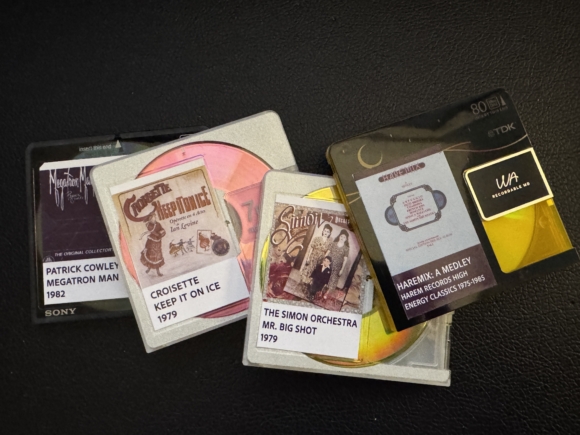
Haremix – The Harem Records High Energy Classics 1975-1885

I was very old school today.

I realized I didn’t have this on MiniDisc today, so I went real-time recording. It brought me joy.

I also did a few others…

Vintage Audio Pr0n

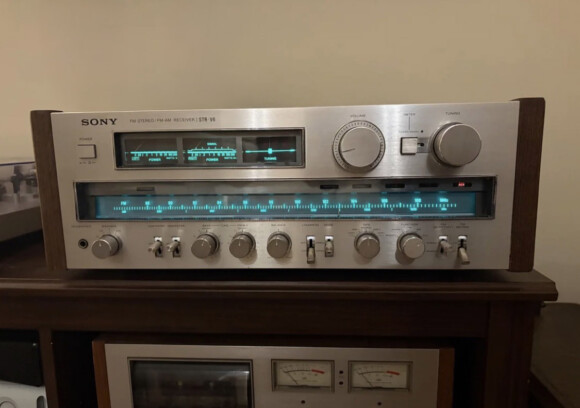
SONY STR-V6

Beautiful. I’ve always admired this series; never enough to actually want to own one, but I can’t deny the attraction of the aesthetic Sony adopted here.

Blast From The Past

Speaking of cassette decks…

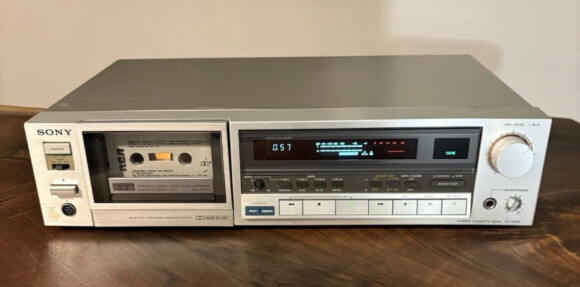
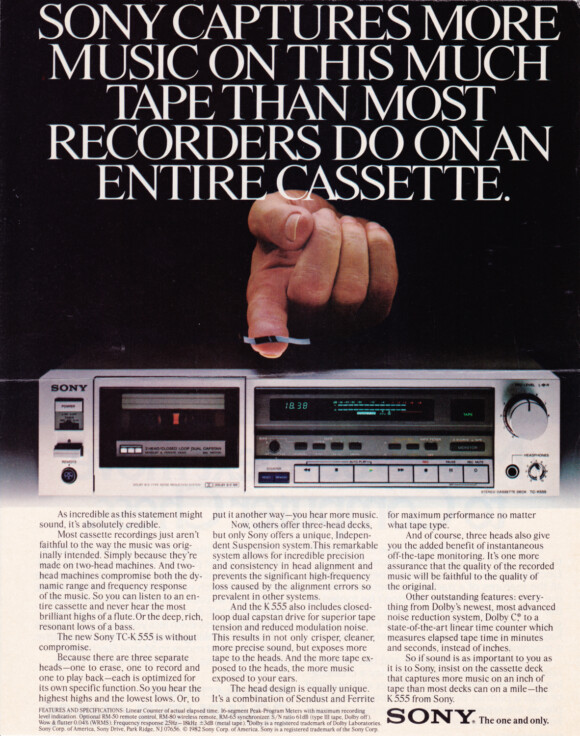
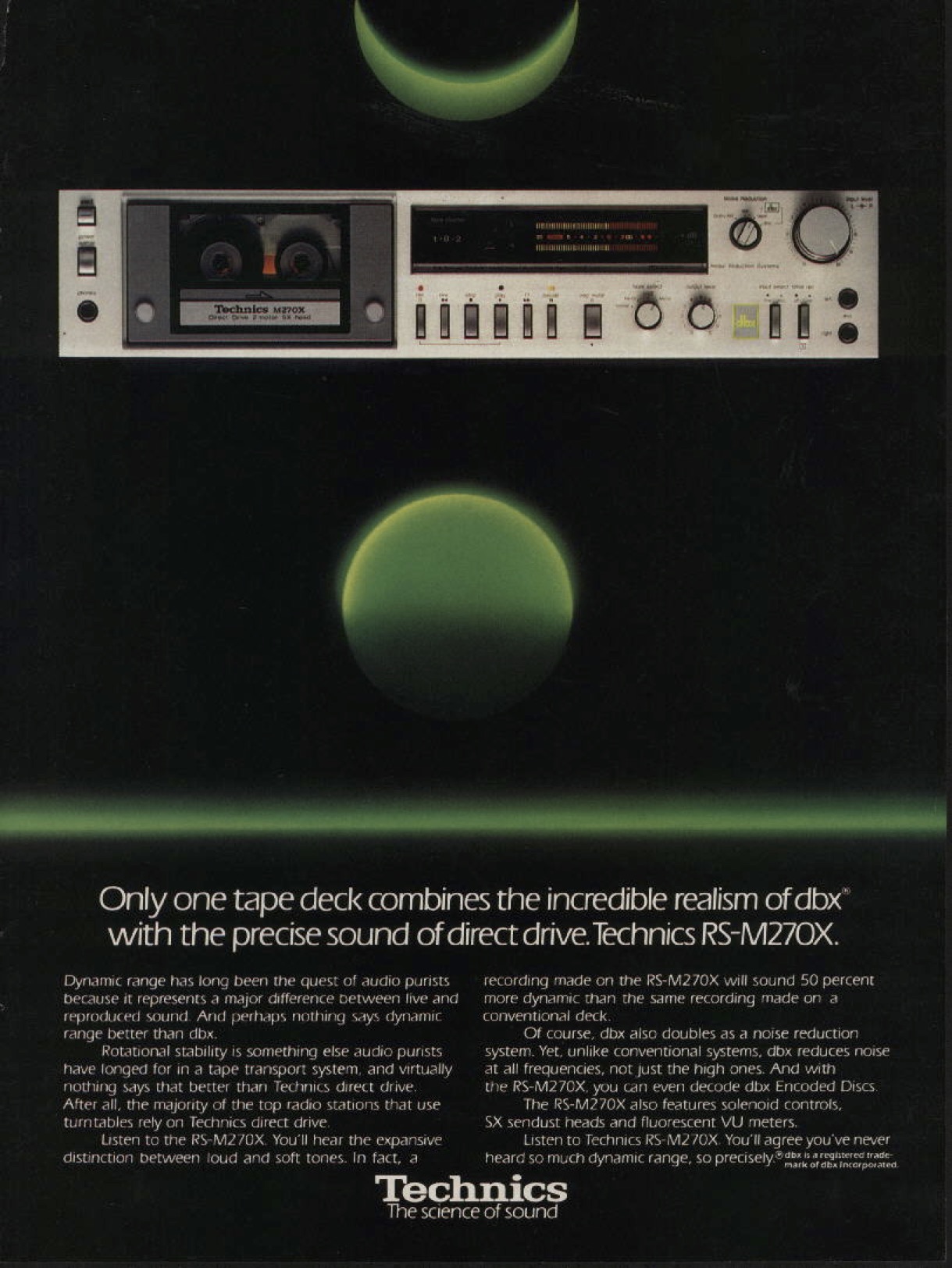
This was my first, a Sony TC-K555. It was Sony’s top of the line 3-head deck in 1984. I remember scraping and saving for months to get this deck. MSRP in 1984 was $430 ($1345 in 2025 dollars), although I seem to remember paying only $360 ($1125). I bought it at the now long-defunct Hi-Fi Sales in Mesa, AZ.

Ultimately, after living with it for about six months I was…disappointed. Despite its pedigree, I was just never happy with the sound of the tapes I’d made, no matter which brand or formulation  I used. (Should’ve bought the Nakamichi BX-150, but it was only a 2-head deck and I’d convinced myself I wanted—no, needed—the live monitoring capability of a 3-head.)

[pdf-embedder url=”https://voenixrising.com/wp-content/uploads/2025/11/sony_tc-k555_brochure.pdf”]


Ironically I ended up replacing it with a 2-head deck that sounded much better two years later.

As I mentioned in that post referenced above, cassettes are one media I’m not feeling especially nostalgic over, so there’s no chance I’m going to suddenly announce that I’ve added them to my collection. Let’s face it: they don’t sound as good as vinyl, CDs, or even MiniDiscs.

Continuing To Dick Around With That Tuner

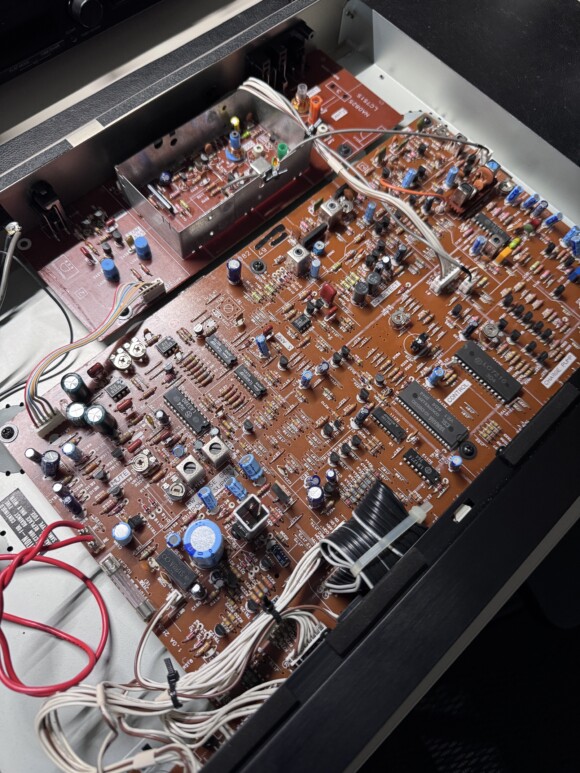
After installation of the battery pack and tweaking the VCO potentiometer, I thought I was done with the inside of my newly acquired Yamaha tuner. Turns out I was a bit premature in that assessment.

When I was in there last time, I took the opportunity to clean off the corrosion from the leaking battery that had migrated onto the back of the main circuit board and had dribbled down its length. (It must’ve been sitting on it’s side for years in storage.) I buttoned everything back up after the cleaning and didn’t think anything more of it.

Well, the next day when I powered it up, all the lights came on, but there was no sound coming out. Signal strength was good. Tuning was locked in, but there was no stereo light. Perplexed, I turned the power off and turned it back on. It started working normally.

I figured it was some temporary glitch and went on about my day. The next morning, I had the same problem. The same thing (off/on) fixed it again. Okay, this wasn’t just a one-time glitch.

Two days ago the single off/on trick stopped working. It took several tries to get it working properly.

Yesterday, nothing got it up and running normally other than to turn it on and just let it sit for about five minutes. It then spontaneously started working on its own.

This morning, faced with the same situation, I decided to go online and see if I could find any clues to why this was happening. It turns out the main power supply area of the circuit board was one of those areas affected by the battery corrosion (apparently this is a pretty common issue that can affect any number of functions in the tuner). So I disconnected everything and popped the cover and took a good look at all the traces and solder joints in that area (including where the corrosion had dribbled down the length of the board). The traces all looked okay, but some of the solder joints looked suspect. So I reflowed the ones that looked dodgy. I powered it up and as always, I breathed a sigh of relief when I didn’t see smoke rising. And everything worked.

At this point I think—er rather, I’m hoping—that it was simply one (or more) cracked/corroded solder joints that needed to heat up and expand ever so slightly to make proper contact. (Being the power supply area, it does generate a bit of heat.) Everything is all warmed up now so I guess the test will be tomorrow morning when it’s powered up cold.

UPDATE: 11/21: It worked!

UPDATE: 11/23: Nope. It was turned off for more than 24 hours and when I turned it on this morning it was back to its old behavior. That means there’s a bad capacitor somewhere in the circuit path, but considering there are 271 capacitors on that board tracking it down without any electronics knowledge is an impossible task—or at least one best left to an expert (which I am most certainly not.) Now all I have to do is find a local expert…

Isn’t She A Beauty?

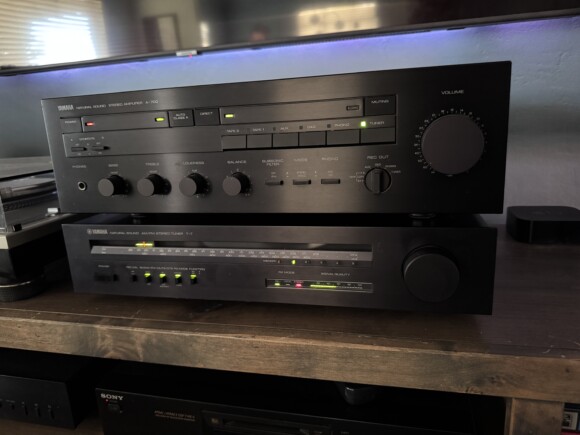
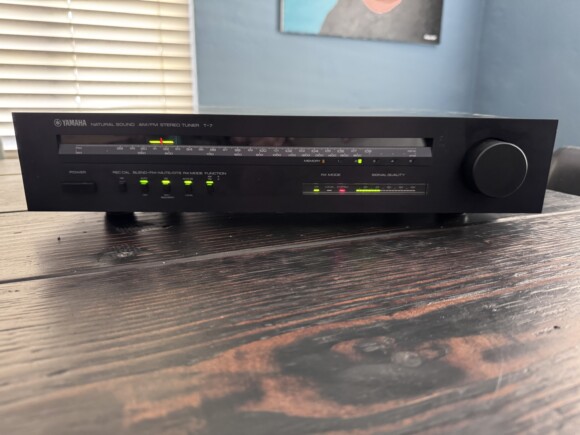
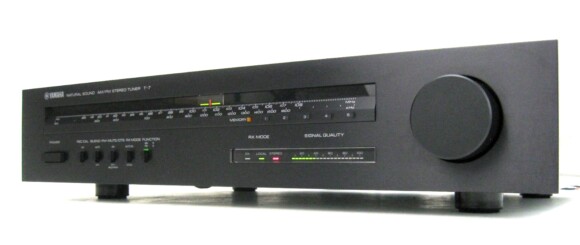
So I got my new tuner yesterday. (The component on the bottom for those of you who aren’t stereo geeks.)

It looked as good as in the seller’s pictures. Unfortunately it had a couple…issues.

First of all, I could not get it to tune in stereo. I mean I’ve never had great reception in this house, but the signal level was good on any station I tuned, and except for one brief instant, the red LED refused to trigger no matter what I did with the new coax antenna I bought for it. I considered running an outside antenna, so I ordered a 25′ coax cable thinking I could fish it through the old hole that had been drilled in the front wall for cable TV and reconnect the antenna outside.

Before I went to all that trouble (and realizing the cable I’d purchased (with already attached connectors) would not fit through the hole, I decided to just take the tuner outside and see if I could get stereo reception.

No joy. It didn’t work

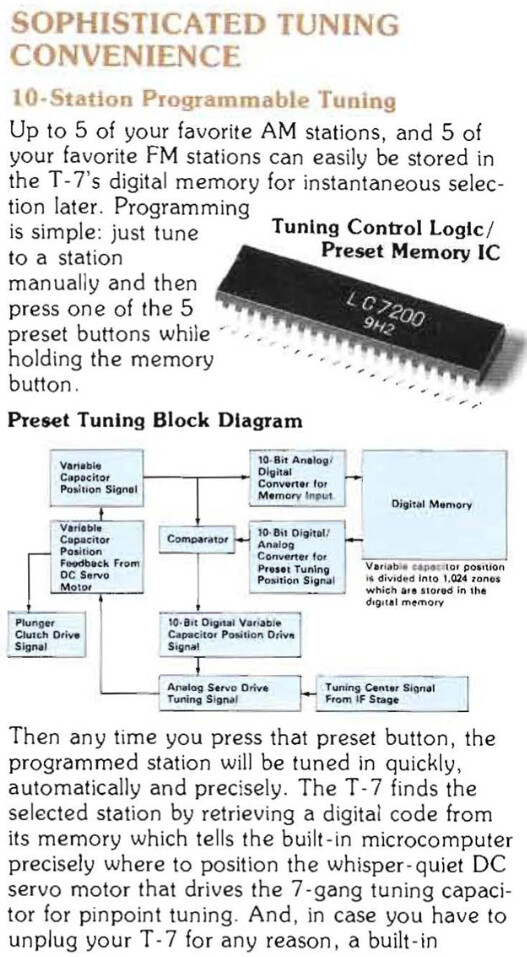
The second issue was the battery-backed up memorized station feature. After the issues I’d had with my previous tuner, I figured an actual old-school battery backup would be a good thing, right? This being a fully analog tuner (not digital), the method for saving stations was rather ingenious for the time (1980-1982). The traditional tuning knob, in addition to being fully free-spinning was also motor-driven. You’d manually tune to a station, hit the memory buttons, and it would memorize the position and when you tuned to another station and wanted to go back to your memorized station the motor would engage and turn the knob back to where you set the memory.

Yamaha describes it thusly:

Well, that didn’t work either, but I wasn’t really surprised. This device was over 40 years old and unlike my other tuner which used a capacitor for backup, the NiCAD battery that powered the memory in the T-7 was undoubtedly shot.

Opening up the case, the battery was indeed shot; the contacts had corroded to such a degree that merely touching the soldered in battery sent it flying.

Undaunted, I knew this was merely a simple rechargeable NiCAD battery and all I had to do was figure out a way of attaching one back to the board now that the contacts had broken off.

I went onto everyone’s most hated online retailer and found a single cell battery case with wire leads. It arrived today, and after cleaning the board of corrosion, I soldered the leads into the holes left by the original contacts, inserted a rechargeable NiCAD, held my breath, and powered it up. It came on with no puff of smoke, so I figured that was a positive sign. I went about memorizing my three most-listened-to stations and…success!

Now about that stereo issue…

I know nothing about radio/tuners other than discovering when I was a kid if you go blindly turning those screw-like pots you can royally fuck things up.

Luckily I had the service manual for the T-7, and that limited my blindness. After marking positions of screws on the front-end of the tuner I slowly adjusted each in turn to no avail. I moved them all back to their original location and moved on to the VCO pot. Again, after marking it, all I did was insert the screwdriver and give it the tiniest of jiggles and voila! Stereo reception. It was just dirty…

So now I have a fully functional tuner. Electronics servicing is not going to become my retirement avocation, and I’m not going to strain my shoulder slapping myself on the back with two successful repairs, but damn…it does feel good to be able to fix this stuff.

And I have to say, now that it’s adjusted, I’m getting the best reception I’ve gotten through any vintage tuner or receiver I’ve owned int he last several years. With the local classical station in particular (always noisy) the background is dead silent.

We’ll see if everything is still working tomorrow. ????

Hey Mom! I Didn’t Destroy It!

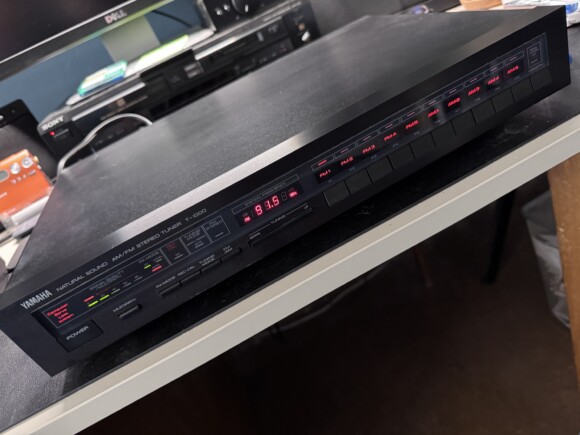
Last year I bought a vintage AM/FM tuner that matched my Yamaha amplifier. Seller of course said everything was working fine, and indeed it was—if you kept it turned on 24/7. Otherwise if you turned it off it would forget all it’s settings and memorized stations. Irritating, to say the least.

Now listen, Phoenix is a radio wasteland bearing little resemblance to the smorgasbord it was in the 70s and 80s (as I suppose most locations are these days). Still, I like to have a tuner around for the classical and the NPR/Jazz station. Six months ago the NPR/Jazz station announced they were dropping the Jazz altogether in favor or talking/babbling heads 24/7. They’d already cut back on the music to three nights a week from 8 pm to midnight, so this didn’t come as a compete shock…and they did still offer Jazz 24/7 on their HD2 station. (I can receive this in my car, thankfully.)

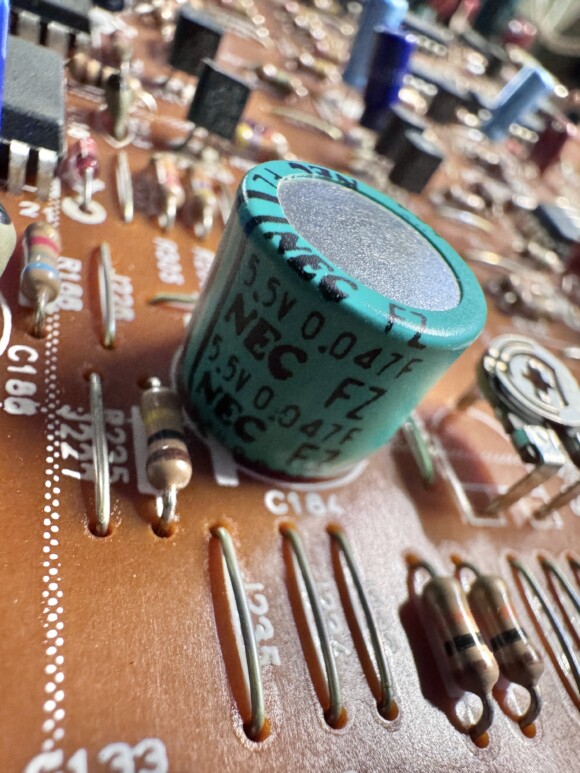
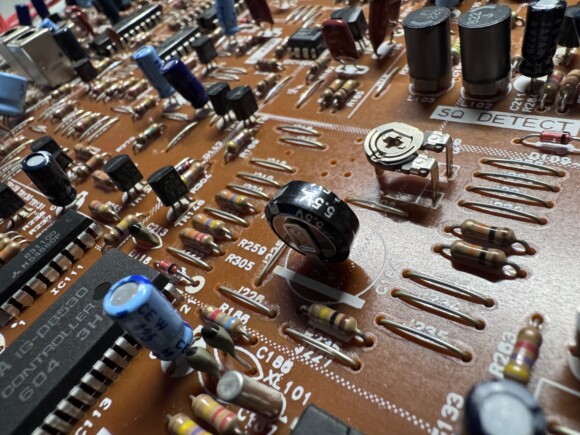
Apparently all Yamaha tuners of the period (mid 80s) have developed an issue with the “super capacitor” that keeps power trickling to the memory chip that retains all the settings when the unit is turned off. From what I read, swapping it out with a new one was a fairly simple procedure, but based on my track record of working with electronics—not to mention the amount of disassembly required to get to it and unsolder the thing from the back of the circuit board—it wasn’t something I was in any rush to tackle. So I disconnected it from the system altogether and put it away in a closet.

Well, bored out of my mind, I pulled it back out a couple days ago and did a run through of the disassembly and realized it wasn’t all that bad. So I ordered the necessary capacitor (actually two different physical designs to guarantee proper fit since the original was no longer readily available).

The original offender.

The new caps arrived today and after doing a test fit to make sure the legs lined up with the holes in the board, I desoldered the old one and soldered the new cap in place.

The new cap.

I put everything back together to a degree that I could test it, plugged it in, turned it on, and…no puff of smoke! Success! Everything seemed to work, and it was actually retaining stored stations again if you turned if off.

My only disappointment is that radio reception itself in this house is horrific and the standard wire ribbon antenna has never cut it…so I’m still a little disappointed. But I’m ecstatic that I fixed it.

But wait! There’s more to this story. Now that it’s working I’m actually going to turn around and sell it.

Why? Because I found a beauty—while a year or two older than my amp—that complements its design wonderfully. It’s old school with a motorized analog dial and while it has the option to store 5 stations in a memory chip on board, it’s got a battery backup (hard to tell from the pictures I’ve found, but apparently just a standard double-A cell) that will store the info for up to two months if the unit is unplugged.

I spotted it on eBay the other day, but got sniped in the last fifteen seconds by another bidder who was willing to pay way more than I was. But wouldn’t you know, I found another unit on Reverb for less than my maximum bid on the eBay unit. I turned around and then offered the seller $25 less than that and he took the offer and threw in free shipping. It should be here next week.

Why Didn’t I Buy This When I Had The Chance?

[pdf-embedder url=”https://voenixrising.com/wp-content/uploads/2025/10/hfe_nakamichi_bx-100e_150e_brochure-1-2.pdf”]


Picture it: Tucson 1986. Jerry’s Audio. A $2000 credit line.

I’d just bought a new system that included the sweet Yamaha A-700 amp that I’ve written about at length, a Yamaha T-700 tuner, a pair of Phase Tech PC-60 loudspeakers and a Sony D-10 portable CD Walkman. My old silver Sony cassette deck that I’d never been completely happy with stood out like a sore thumb in this stack of black anodized aluminum, so I went shopping.

I’d always wanted a Nak. At the time (near the height of the cassette era) Nakamichi was the undisputed king of the hill and prior to the widespread adoption of CDs, the recordings made on their decks were about as perfect copies of the original source material as you were likely to get. Like so many of my peers, I was big into cassettes (at one point having a couple hundred; all but a handful now long gone) that were perfect companions for my daily commutes.

And yet, standing there in Jerry’s, I was torn between the Nak 100 (in black, of course) and the Yamaha K-540 (also in black). The Nak had an edge as far as the specs were concerned, but I also knew I’d probably never hear the difference. They were approximately the same price.

Ultimately, I ended up going with the K-540 for the stupidest of reasons: I liked the physical design better. I stood there staring at the Nak, thinking there was just something off-putting about it—despite the company’s reputation for excellence—that 1986 me just couldn’t get over. The Yamaha seemed much more user-friendly—and it also had a LED tape counter.

Am I on the verge of getting back into cassettes? Oh hell no, Mary! As a teenager of the 70s, they always seemed magical, but oh, such a pain in the ass! Remember the BIC pen trick? Pulling a cassette out of a car stereo that had spilled its guts into the mechanism? (To this day I remember pulling a copy of Elton John’s Blue Moves that I’d recorded onto a C-120 blank—blanks you shouldn’t use for anything because the tape was so damn thinbecause it wouldn’t fit on a C-90 out of my Mom’s car one afternoon.) Yeah, good times. Still, when I was at the height of using them on the daily—at the dawn of the (then) skip-prone portable CD revolution, they were still the best solution for popping in a Walkman and throwing in your bag for music on the go.

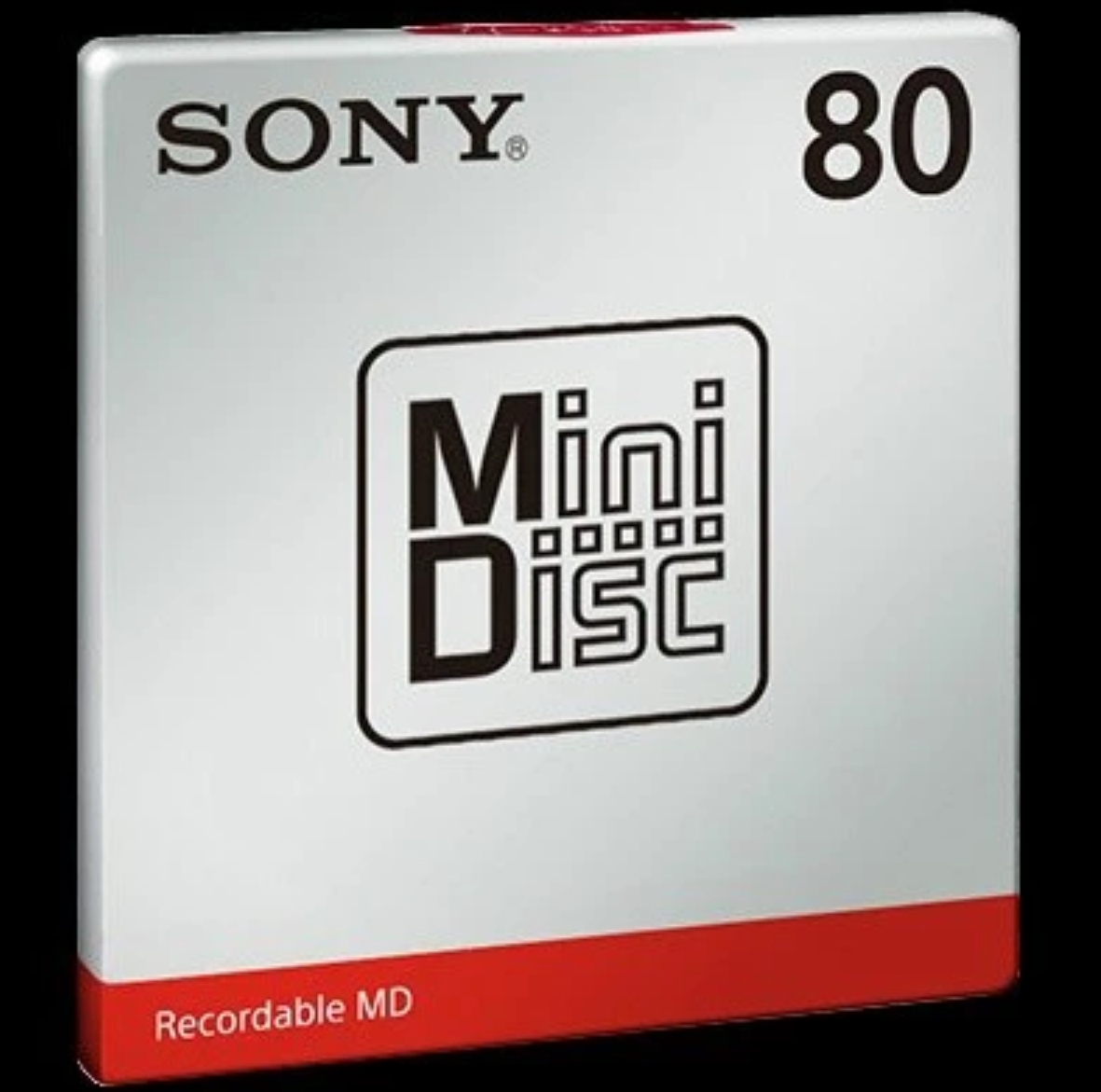
In 2025, MiniDisc remains my recording medium of choice, and at least for me it fulfilled Sony’s vision of replacing cassettes.

What led me down this rabbit hole today was stumbling across a repair video on YouTube of a guy diagnosing an inoperative Nakamichi 100 and I thought, those weren’t bad looking at all! You were a fool, Mark!

A New Acquisition

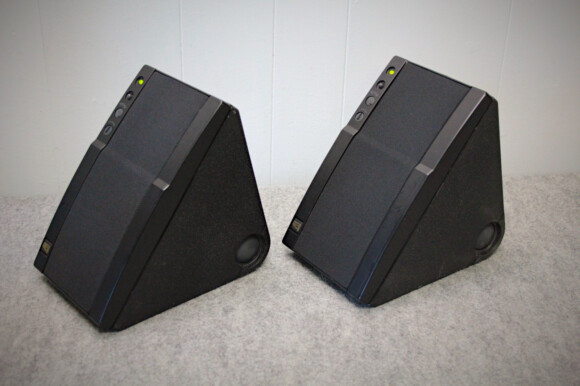
Normally when I’m in working at my desk, I’m listening to music through my headphones. It’s become a bit of a problem because the wired headphones I use—unlike my Bluetooth Airpods—do not have a pass-through option, so I’m effectively cut off from the outside world when I’m wearing them. Ben hasn’t said anything, but I know he’s becoming increasingly annoyed that I’m not responding to things he’s said—from the other room—simply because I can’t hear him. So, other than not listening to music while I’m working in the office when he’s home at all, I needed to find another solution. I could have gotten a plug-in bluetooth transmitter to plug into my Minidisc player and use my Airpods, but my wired headphones sound so much better than the Airpods that really wasn’t a viable option.  The other thing I could do was to get some small powered speakers that sounded good, fit my limited desk space, and didn’t break the bank. I looked, but nothing new really reached out and grabbed me. Then I remembered the AR Powered Partners I had back in 1999…

I liked them a lot, but—as I do so often with stuff—I foolishly sold them when I’d moved on to other interests and then later come to regret it.

Since they’re long out of production, I checked on eBay to see if any were being sold, and the vast majority of ones that were available (now over twenty-five years old) looked like they’d been ridden hard. So I set up a notification to be emailed whenever new offerings went up. A couple weeks ago a pair showed up with a Buy It Now price of only $70 (normally they go for twice that in awful condition). They looked mint—or at least as mint as any piece of used electronics can look after twenty five years. The seller mentioned that they were a single-owner and had been used gently indoors.

How could I not? They arrived a couple days ago.

For being so small (relatively) I’d forgotten how heavy they were. The enclosures are cast aluminum, and the 5-inch woofers have magnets almost as big as the drivers themselves. And yes, they were absolutely mint. They had scratchy volume controls, but a quick disassembly and a squirt of De-oxit into the pots cleared that up quick enough.

How do they sound? Fab-u-lous! As good as I remember. Now I’ve just got to watch that I don’t play them too loud!

I Lucked Out On This One

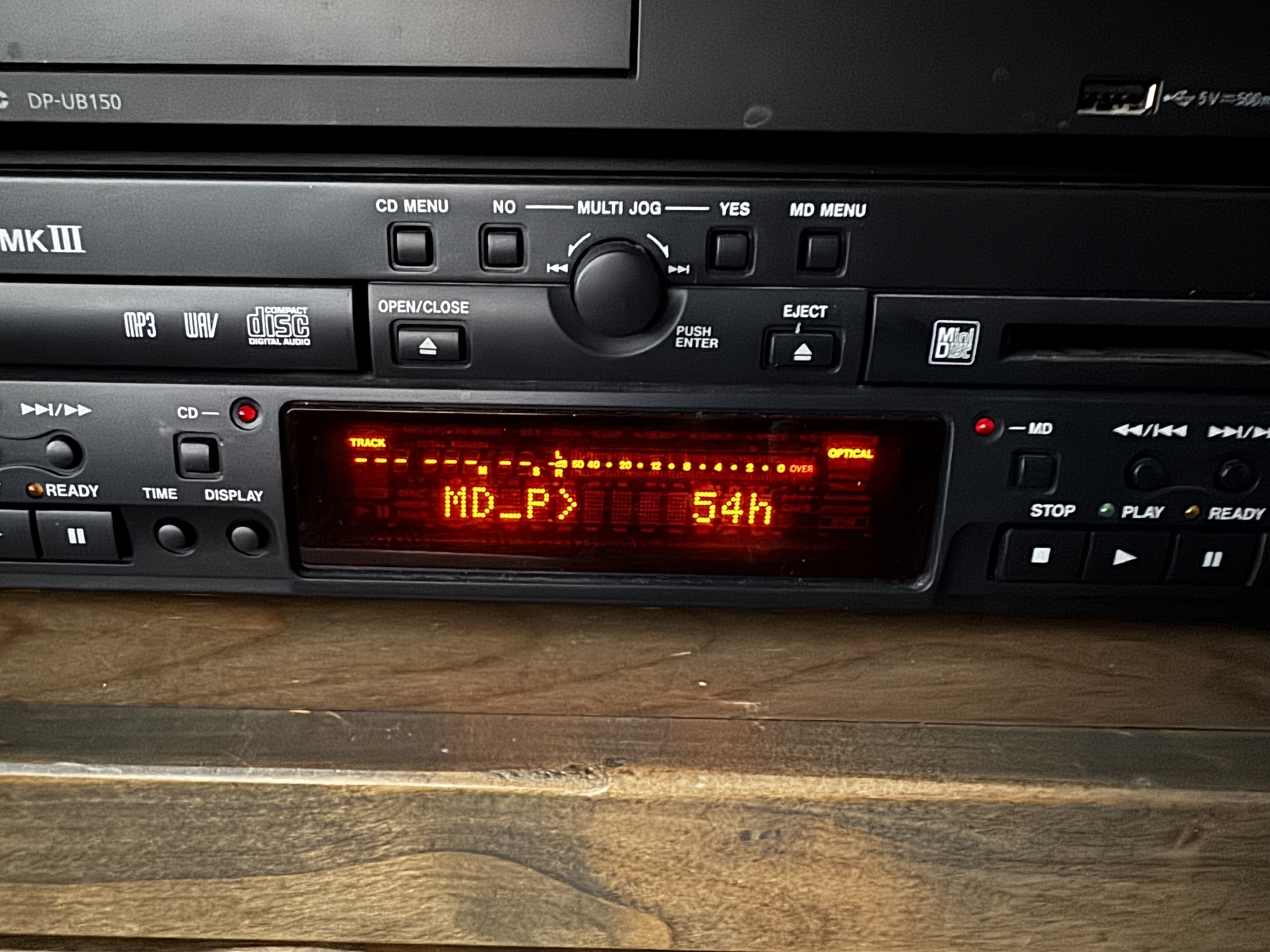
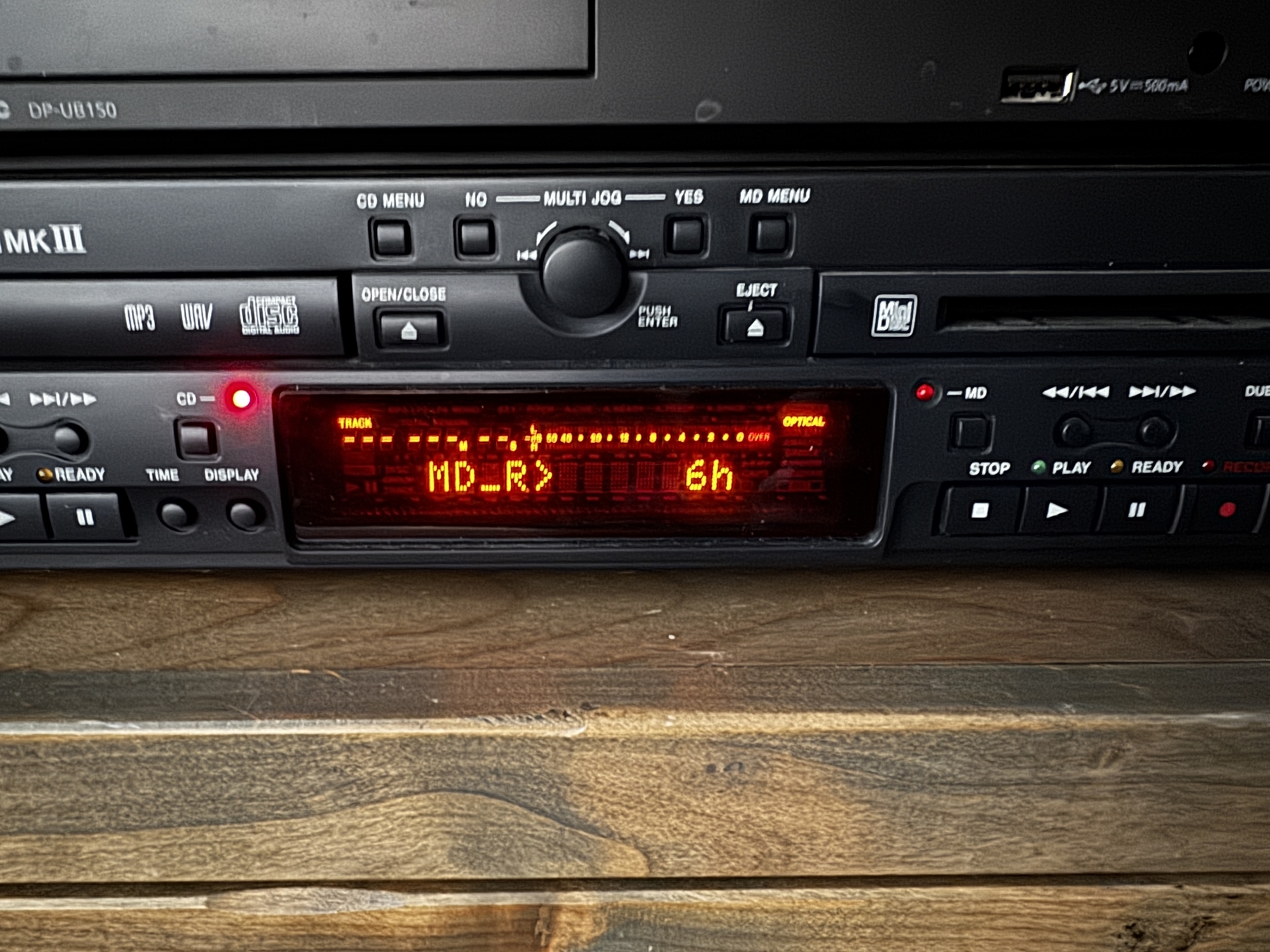
Okay, when I bought this Tascam MD-CD1MKIII deck I knew it looked mint, but until I started digging in the menus I never realized it had so few hours on it as well!

CD Playback – 26 hours total
MiniDisc playback – 54 hours total
MiniDisc Recording – 6 hours total

Damn, this thing was hardly touched!

It Arrived…And It’s Alive!

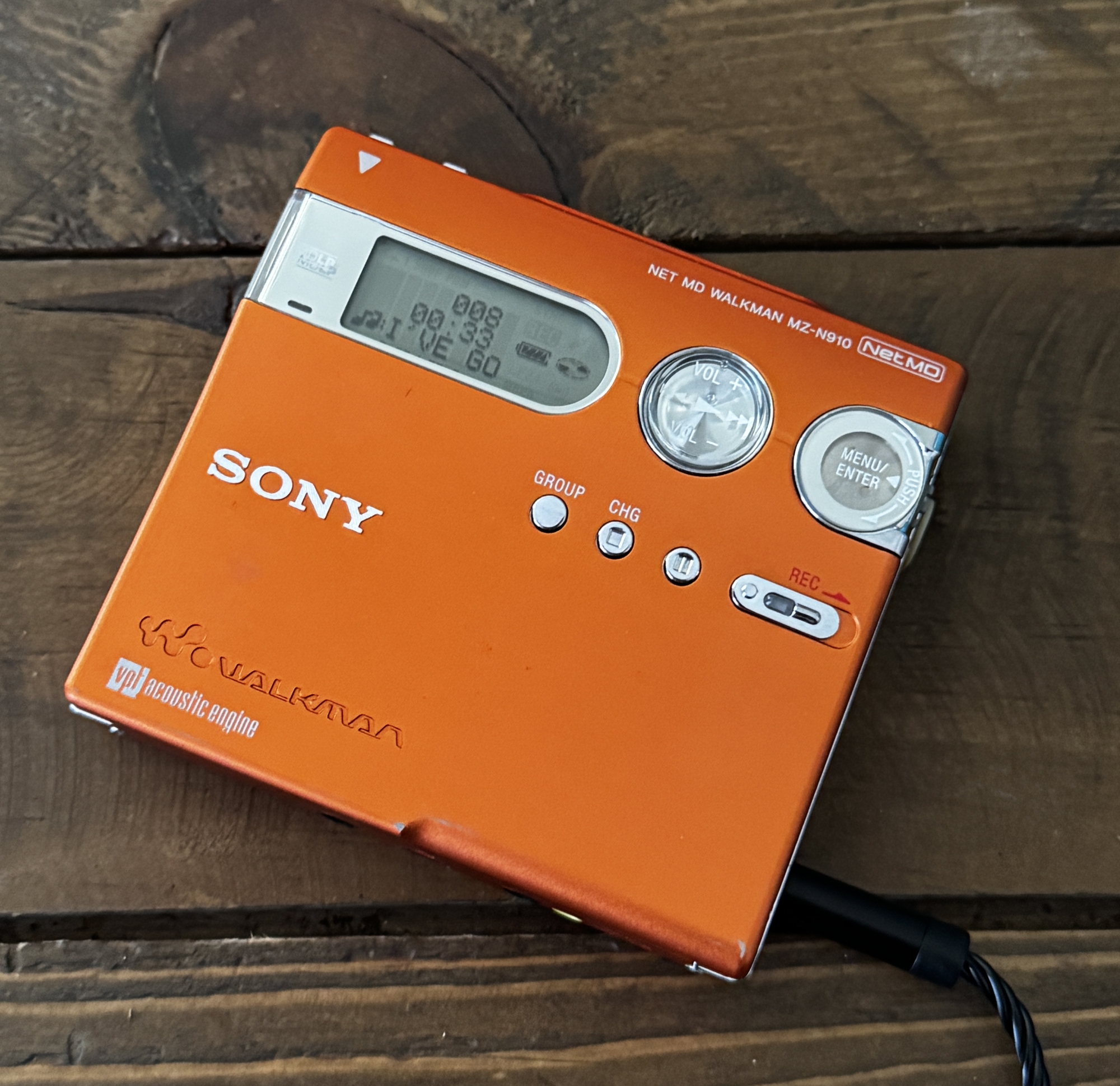
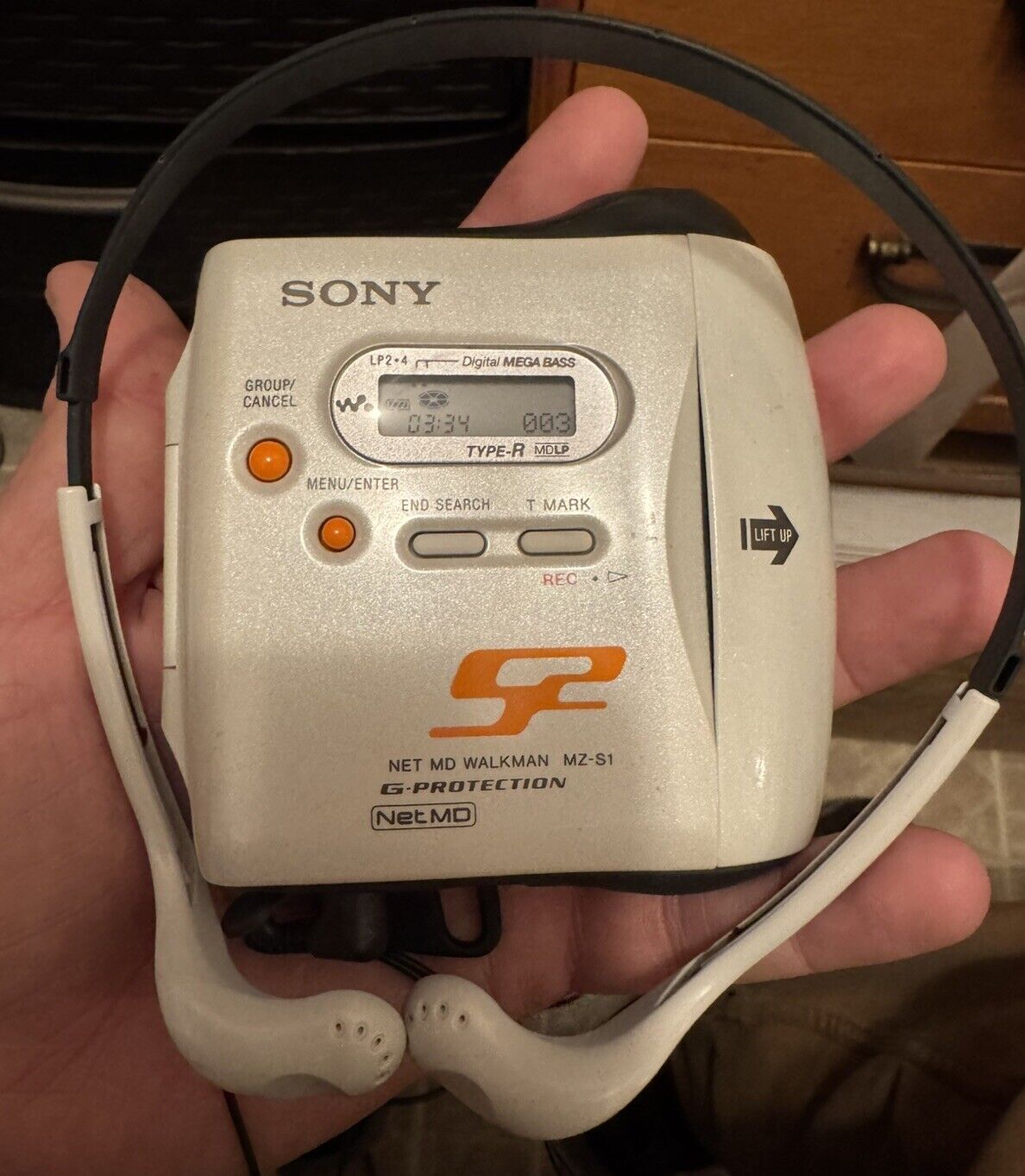
Very happy with my first foray into Japanese auctions! Upon arrival it powered up fine with an AA sidecar battery and/or power adapter, but wouldn’t recognize a perfectly good, fully charged internal gumstick battery—nor would it charge said gumstick. Even though the contacts on the external battery door looked okay, I knew there had to be corrosion inside, so after shining a flashlight in the battery compartment and confirming the internal contacts were caked with the infamous green corrosion, I gingerly removed the rear case. Armed with vinegar, an old toothbrush, q-tips, and isopropyl alcohol—and having watched numerous videos on how to do it—I set about removing the green gunk. Afterwards I put it all back together—and to my utter amazement, not only did it still work, but now it recognized the gumstick battery and even worked! And that color! Sony sure knew how to do orange!

Mission Accomplished

I’m surprised how quickly I got that task done.

One of the few things I had planned for post-retirement was de-fuckifying my office closet. Over the past two years it became a catch-all for anything I didn’t want to deal with, and among the things I didn’t want to deal with were the two Kenwood receivers I once waxed poetic over and the Yamaha amp and CD player that were rotated out of my audio setup.

They were already boxed up and ready to eBay, but I kept putting it off for a variety of reasons: they needed to be unboxed and photographed, the auctions needed to be created, yada, yada, yada. It was always some excuse.

So jumping the gun a bit, about six weeks ago I decided to get the process started, and one weekend I removed them from the closet, unboxed them, and photographed everything. The next day I posted it all on eBay.

One receiver sold within 72 hours. The second followed a few days later. I was kind of surprised, actually. I also offloaded a spare turntable dustcover almost immediately. The CD player went about two weeks ago, and today, the Yamaha amp finally sold. Everything was at a slight loss from what I’d hoped to get, but I didn’t do this to make money; it was simply to get the stuff out of here and into the hands of someone else who would appreciate them as much as I have.

Next up on the auction block is the Yamaha T-1 tuner I got a little over a year ago. It’s an absolutely stellar tuner; an item I lusted after when I was a teenager, haunting the showrooms of Jerry’s Audio, but it’s been sitting virtually unused all this time. I was happy to finally get one, but I haven’t used it more than couple dozen times since purchasing it and for all intents it was just gathering dust. And my anal retentive self also didn’t appreciate the fact that the black anodized finish didn’t match the the Yamaha amp I’d paired it with (the tuner and amp series were about half a decade apart, so it’s understandable stuff changed) so it was pretty easy to let it go. It also helps that I just picked up one of the tuners that came out at the same time as the amp for a song. I guess no one is really listening to radio any more, but I do want to have one on hand in the case of some emergency.

Off to a Rough Start

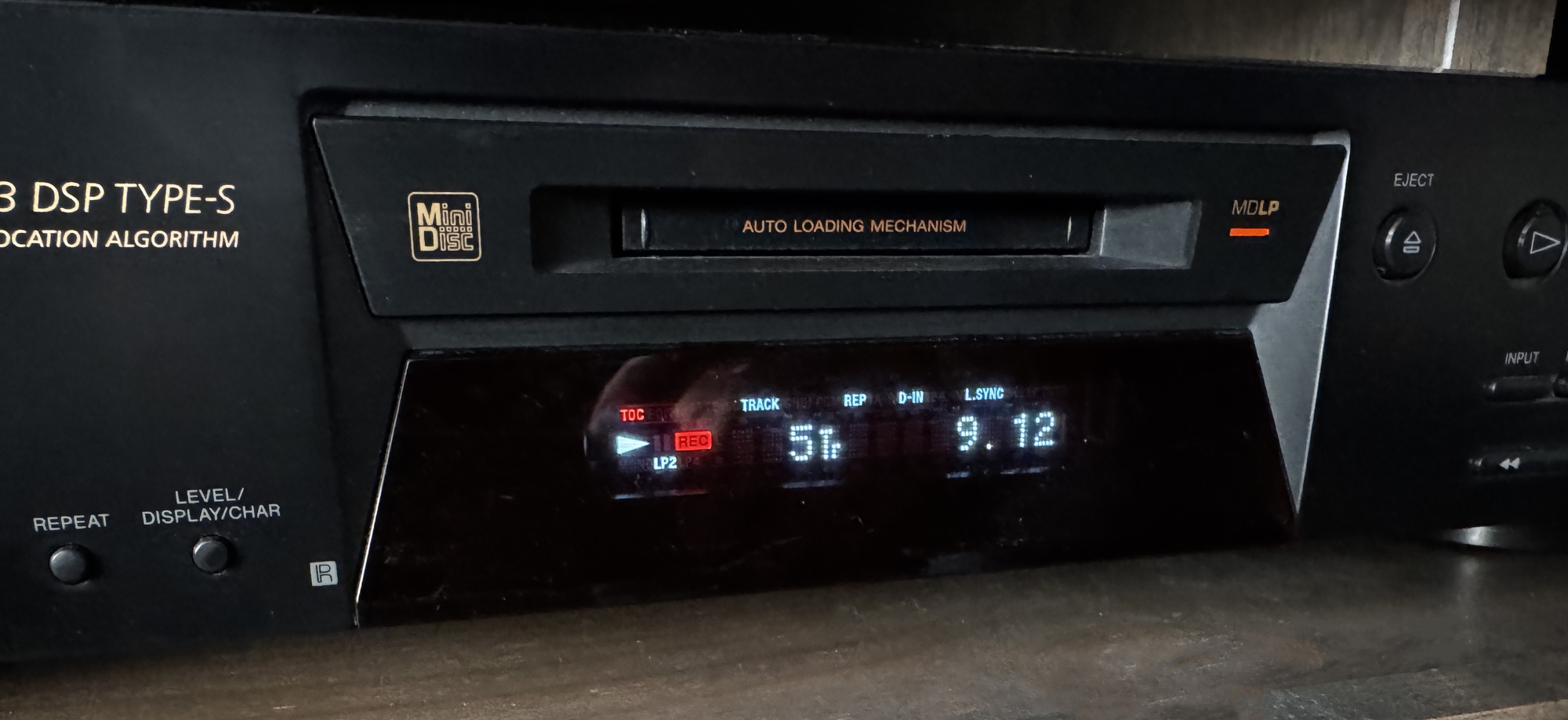
I recorded my first minidisc in over a decade last night.

And after I finished, ejected the disc so it could finish writing the table of contents, and when I reinserted the disc to listen, the machine took a crap. C13 Read Error. Ugh. And it wasn’t just that disc—it was even brand new, unused ones. And of course the seller I bought it from said it was fully functional and doesn’t accept returns.

Being a nerd that’s still relatively good at fixing shit, I did a hasty search online and ended up getting very depressed. Firstly, because there wasn’t a whole lot of info out there and a lot of it was, “Take it to a Sony Service Center.” Yeah, like that’s an option any more…
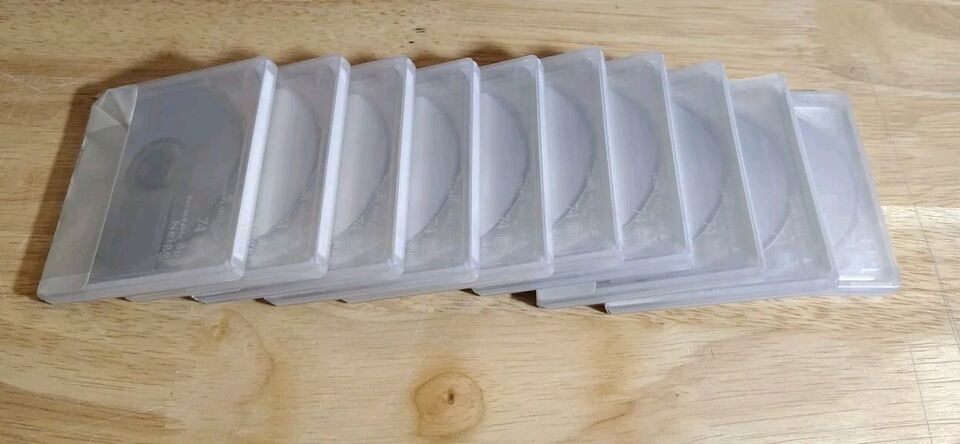
I did all the suggested troubleshooting: cleaning the laser’s lens, blowing out the mechanism with compressed air, reseating the ribbon cables that run between the mechanism and the main circuit board, etc. But none of it worked.

Anyhow, after mulling it over while wide awake at 4 am this morning, I thought about one other possible culprit: dried lubricant on the sled rail.

After getting ready this morning, did a search on YouTube and found one video that described the error and what needed to be done. It was basically everything I’d already done, but I felt that if the guy in the video could resuscitate a machine that was in much worse condition than mine, I certainly could get this one working.

I pulled the top off again and did everything I’d done last night and in addition, ran a Q-tip drenched in isopropyl alcohol along the rail and under the gears that drive the mechanism. I cautiously inserted the disc from last night and viola! it worked!

So fingers are crossed. As I type this I’m adding a few more tracks to the disc from last night and so far everything is working as it should. The true test will be when I’m finished and it has to write to the TOC (Table of Contents) before ejecting…

UPDATE: It worked!

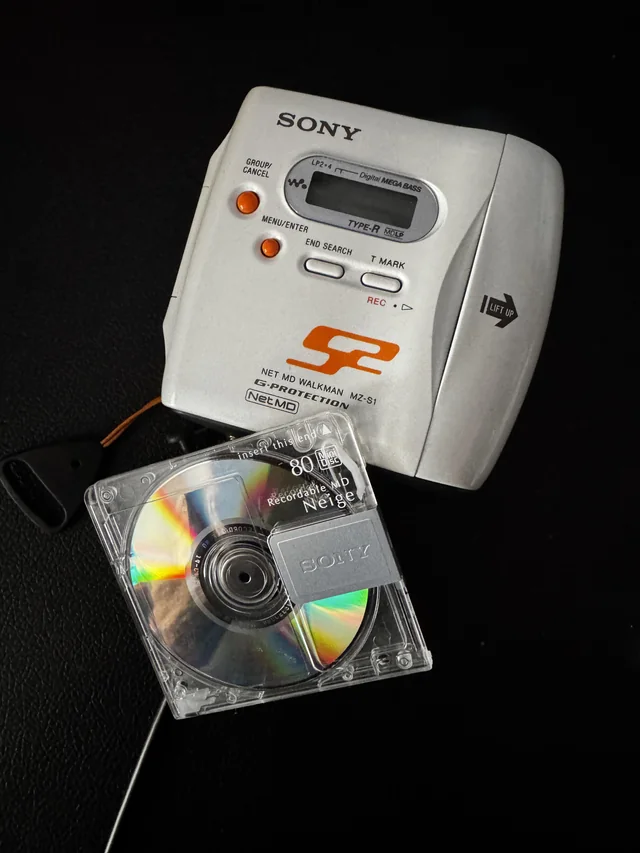
UPDATE #2: It’s hosed. After recording two discs, the error returned. After popping the cover was obvious the disc was refusing to spin up, triggering the C13 error. I spoke to the seller this afternoon and she’s agreed to refund what I paid for it upon return of the unit. On the positive side, the MZ-S1 arrived today and it works like a champ.

Nugget acquired

I Know No One Cares…

…but I’ve settled on my favorite combination for deskside CD playback.

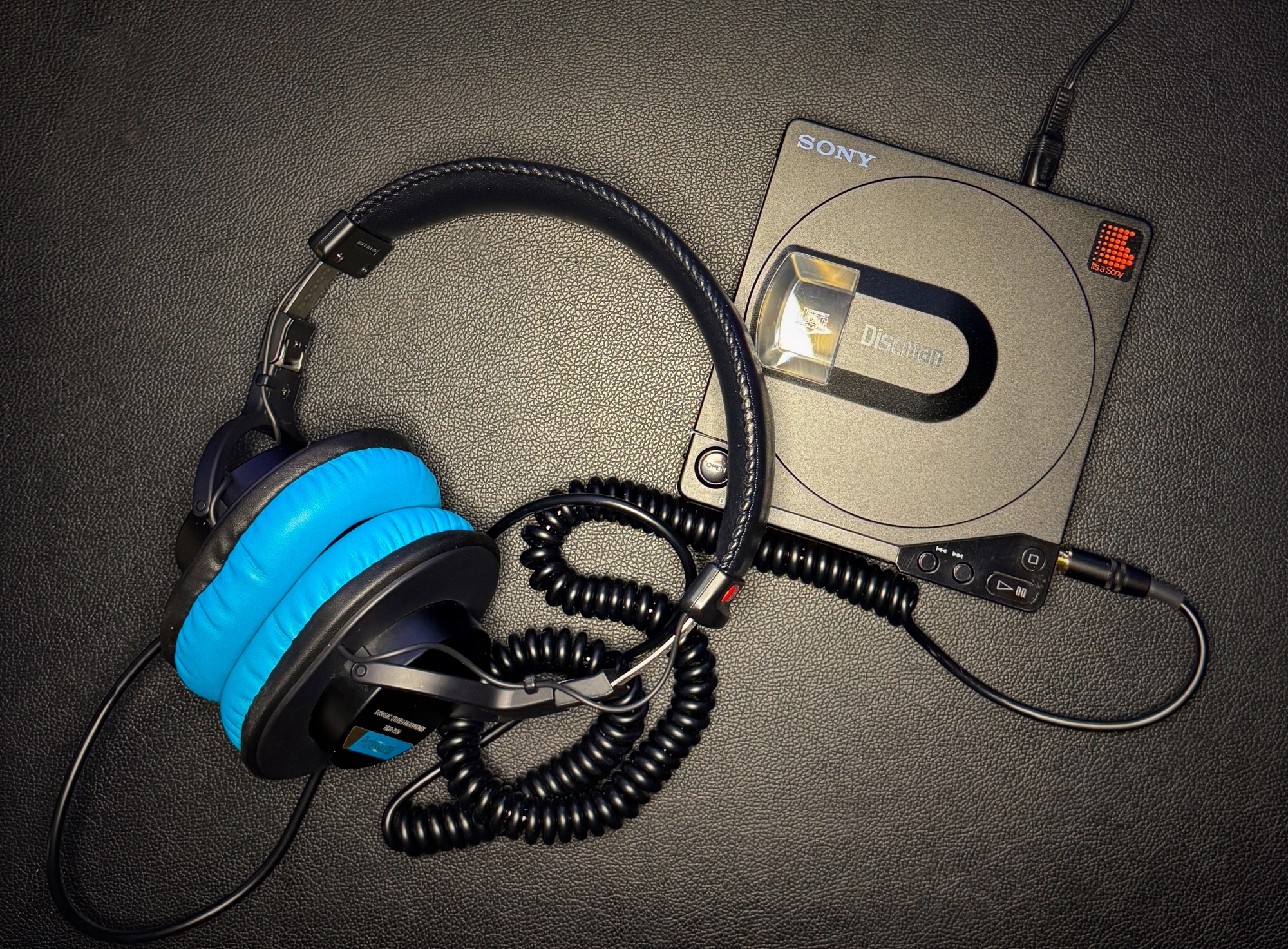
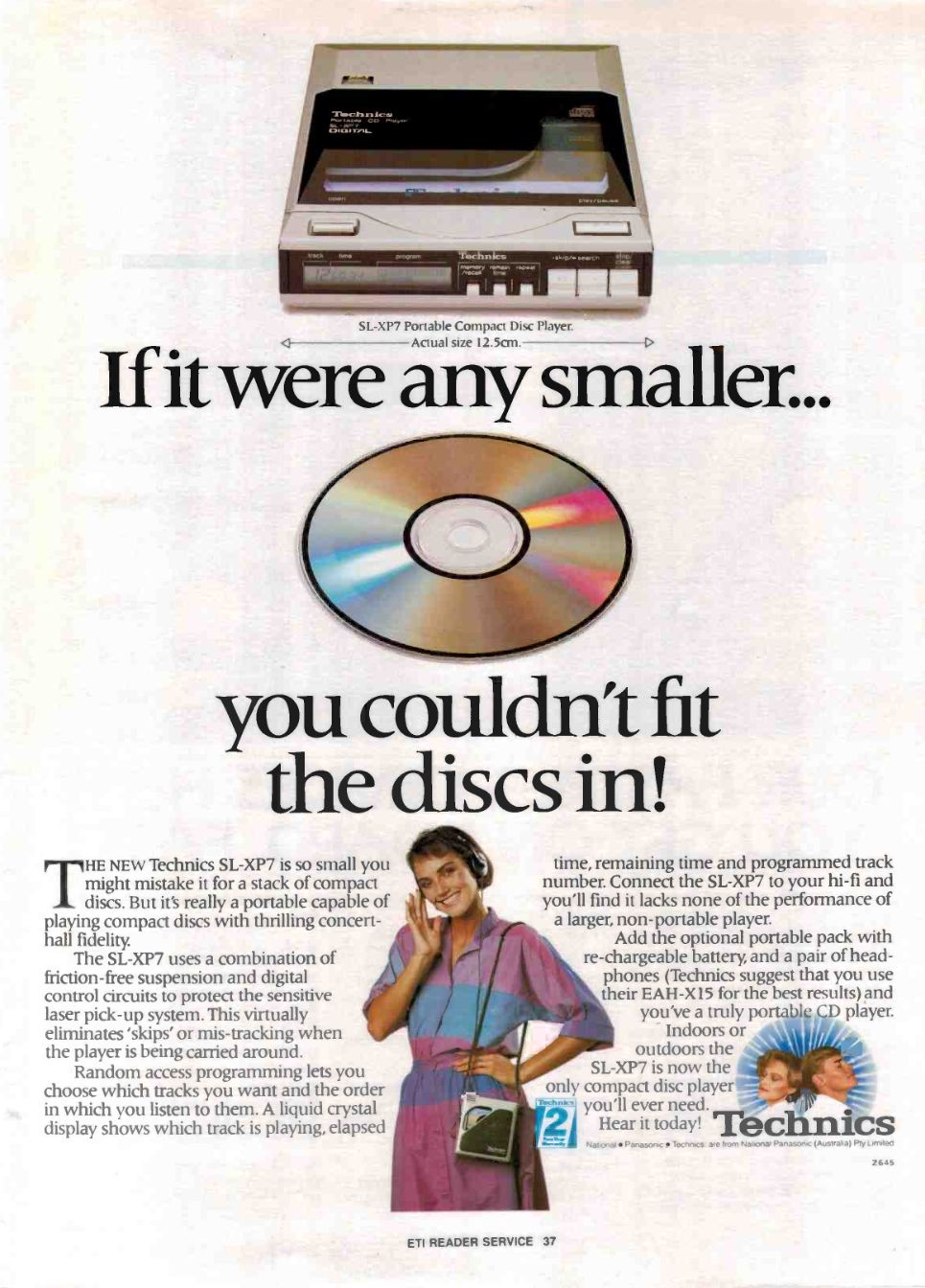
Sony MDR-7506 headphones with Brainwavz pads and Sony D-15 Discman

I never really intended to jump back into the portable CD lifestyle after abandoning it with the advent of iPods and later iPhones, but yet here I am. I’m currently listening to the complete Koyaanisqatsi score at angelic volume and truth be told, I’m loving it.