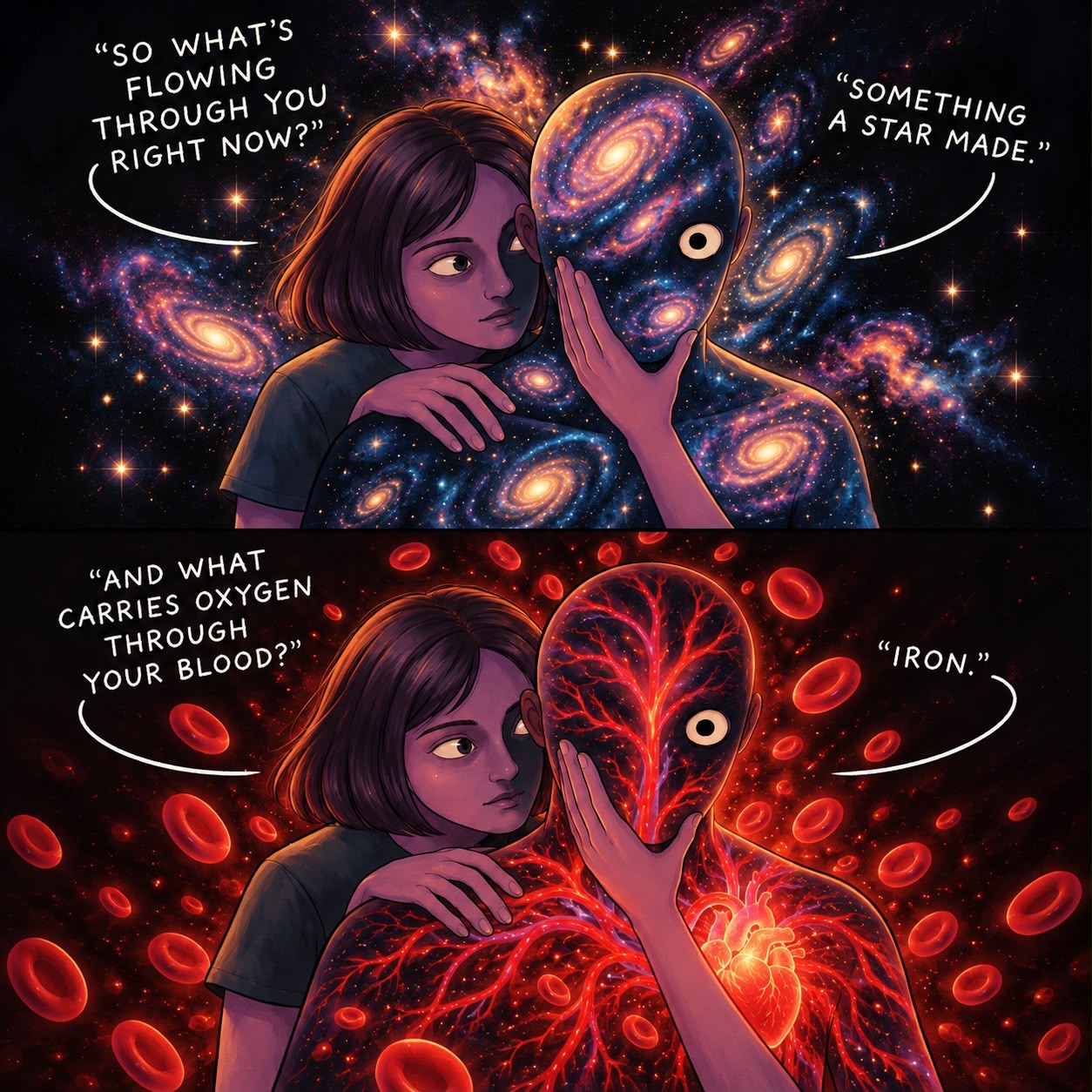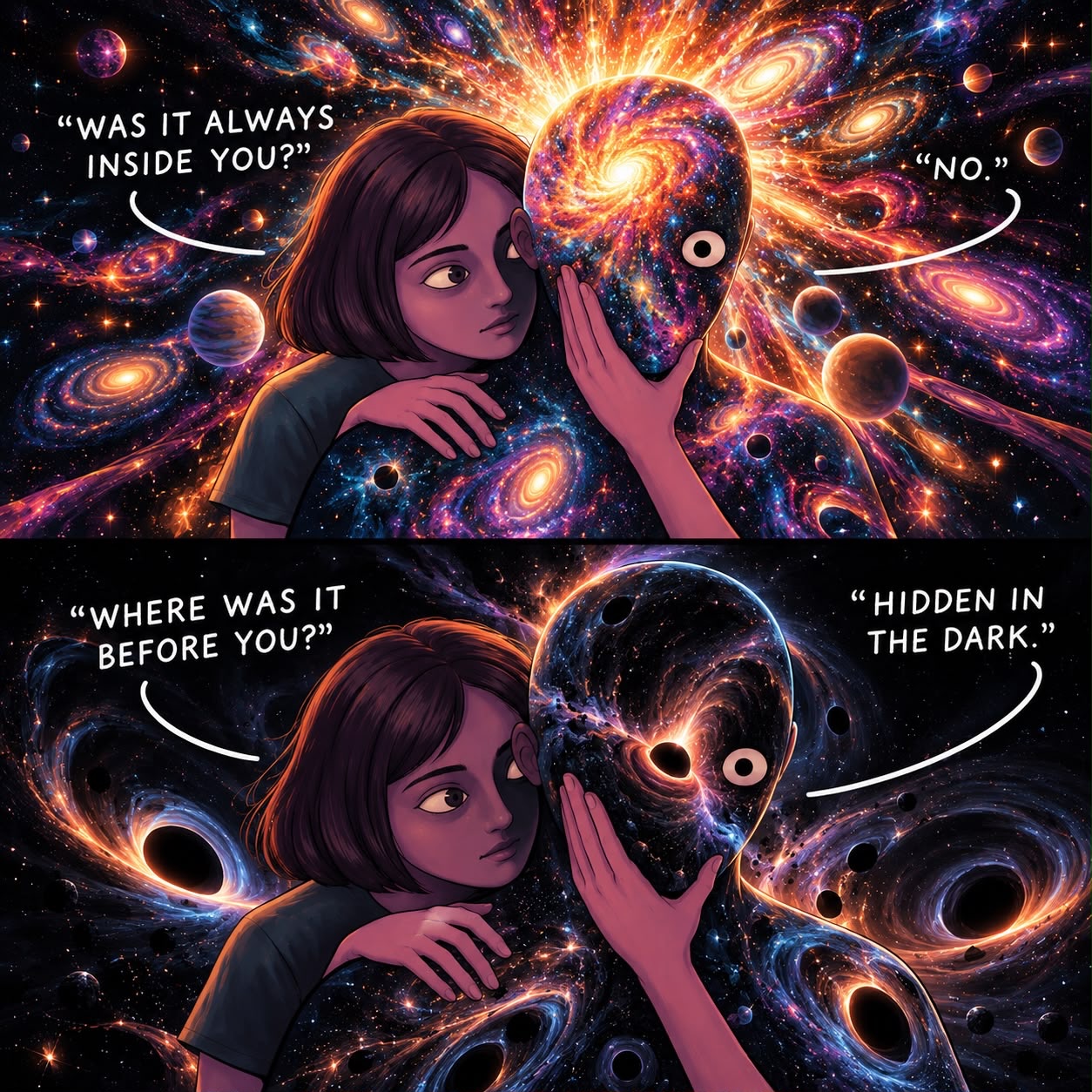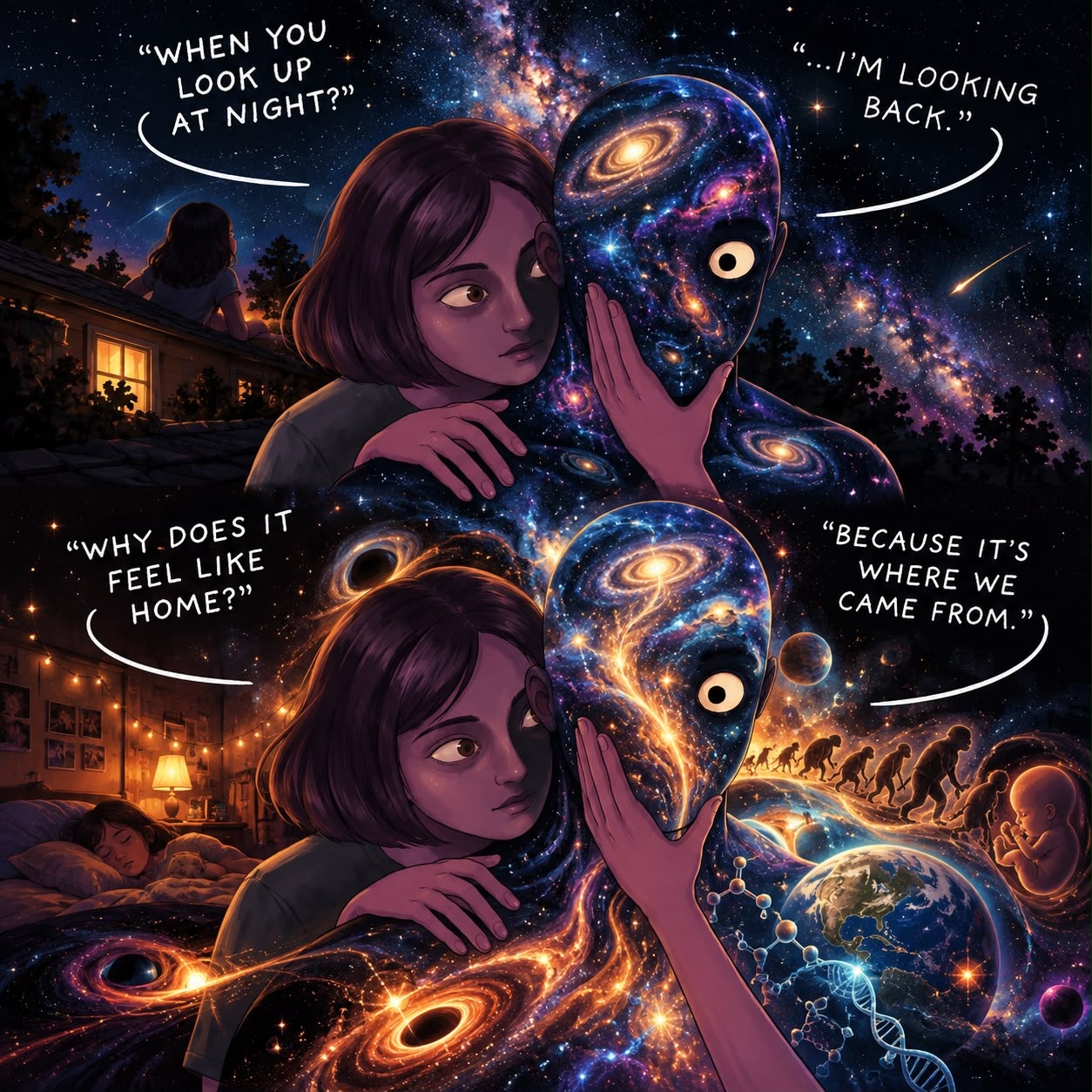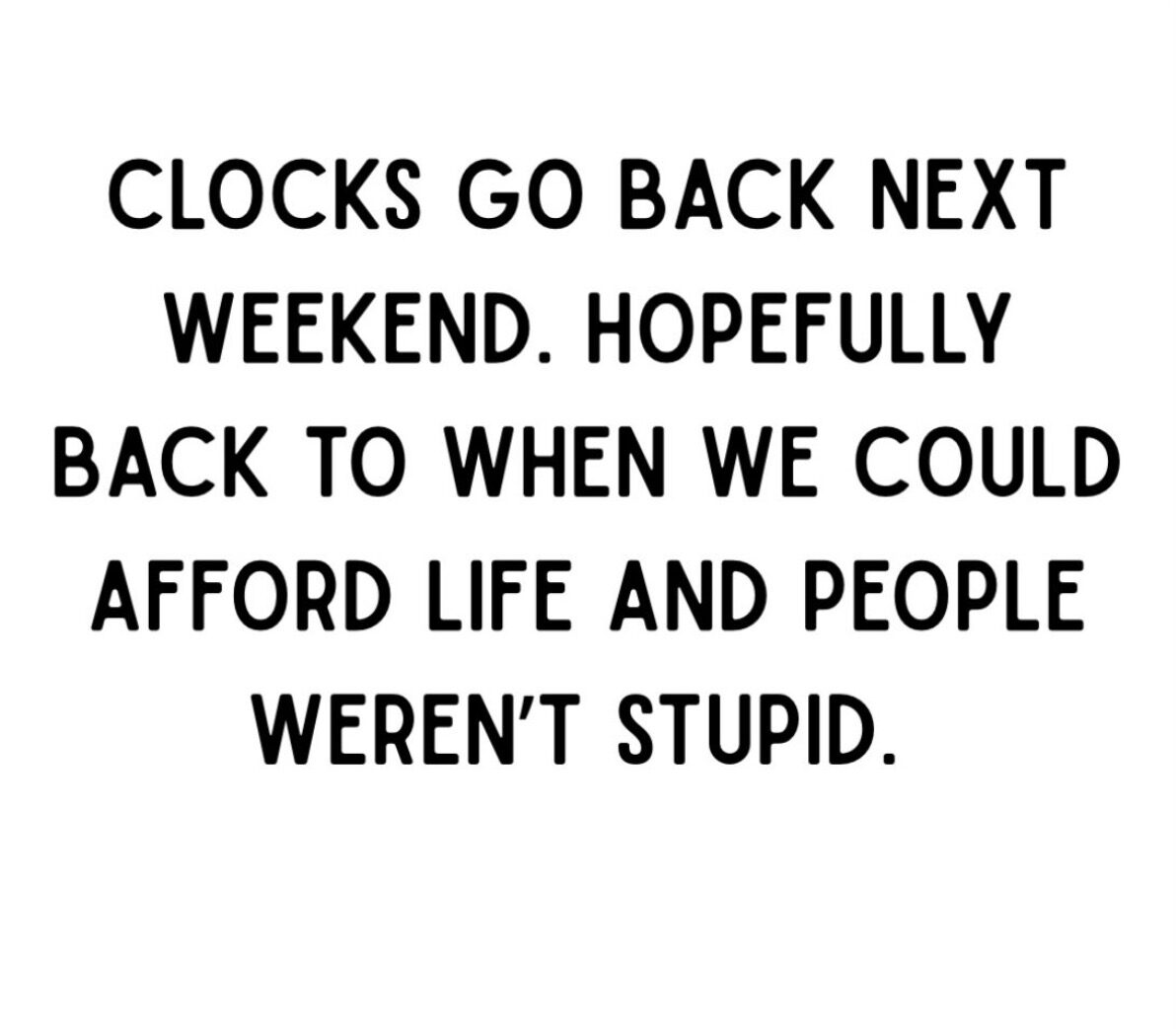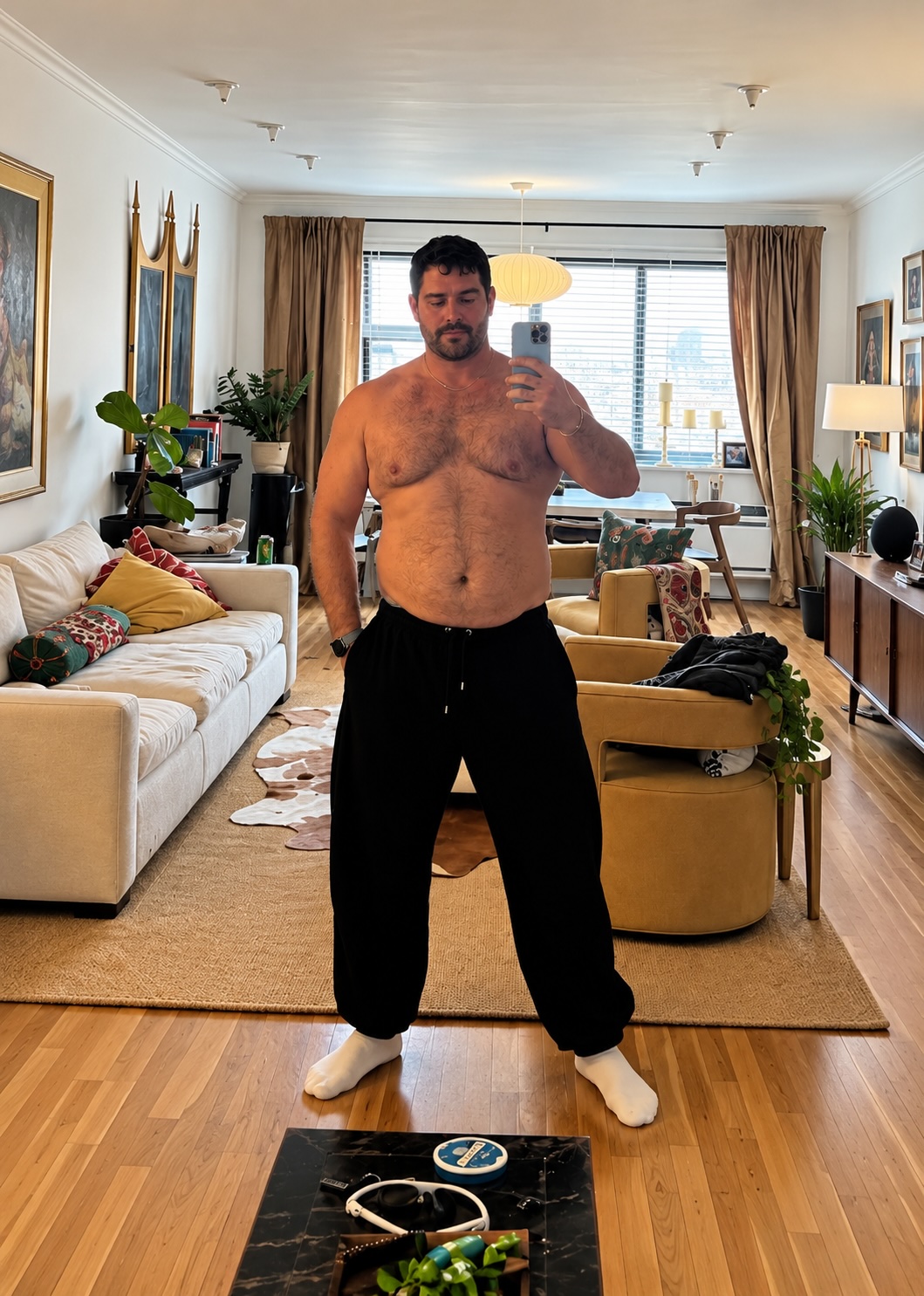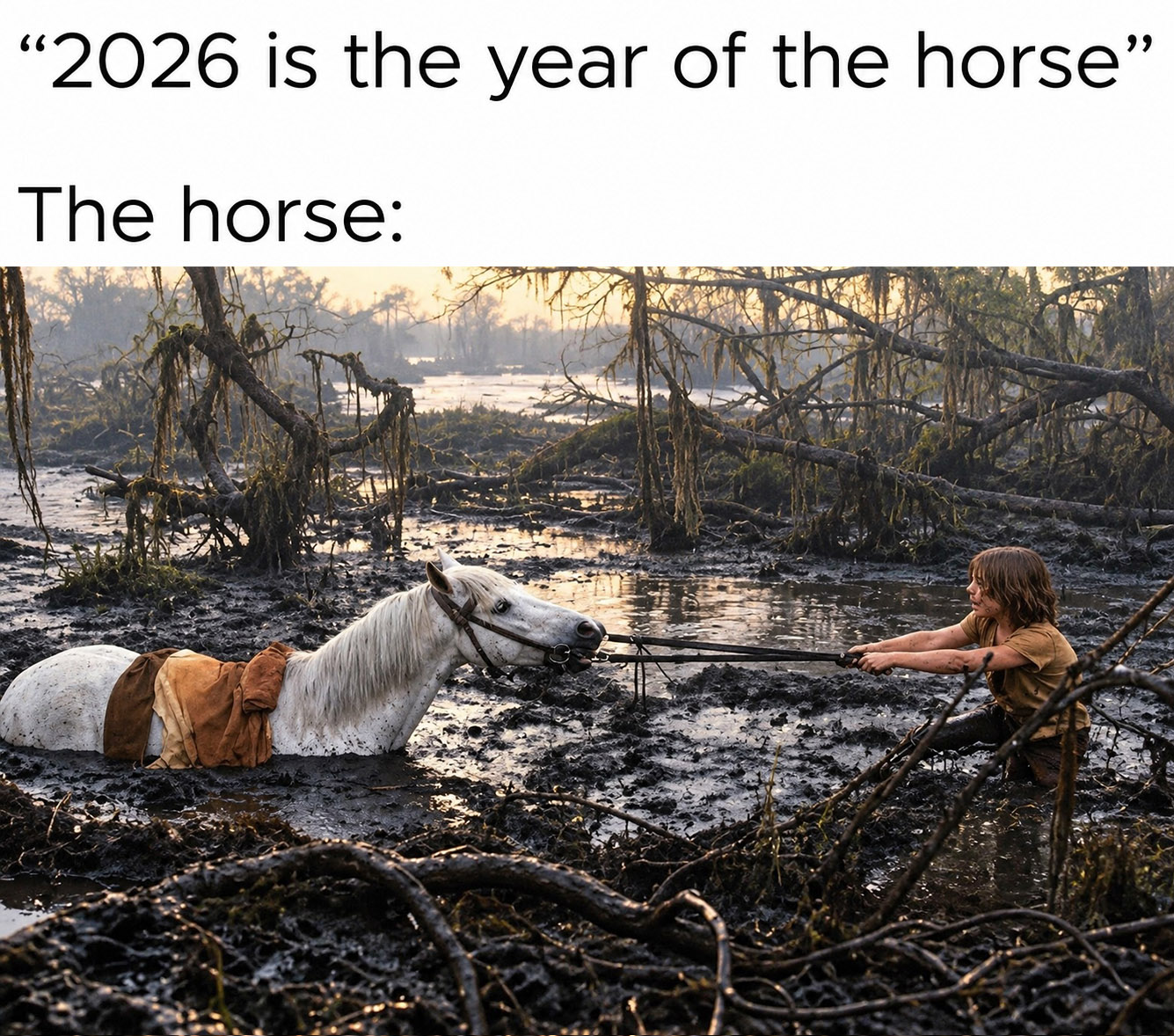
One of the most traumatic scenes in cinematic history. Maybe only rivaled by Spock’s death in Wrath of Khan. (Yes, I’m a nerd.)
0 comments

Shitposting since 2005
One of the most traumatic scenes in cinematic history. Maybe only rivaled by Spock’s death in Wrath of Khan. (Yes, I’m a nerd.)
0 comments

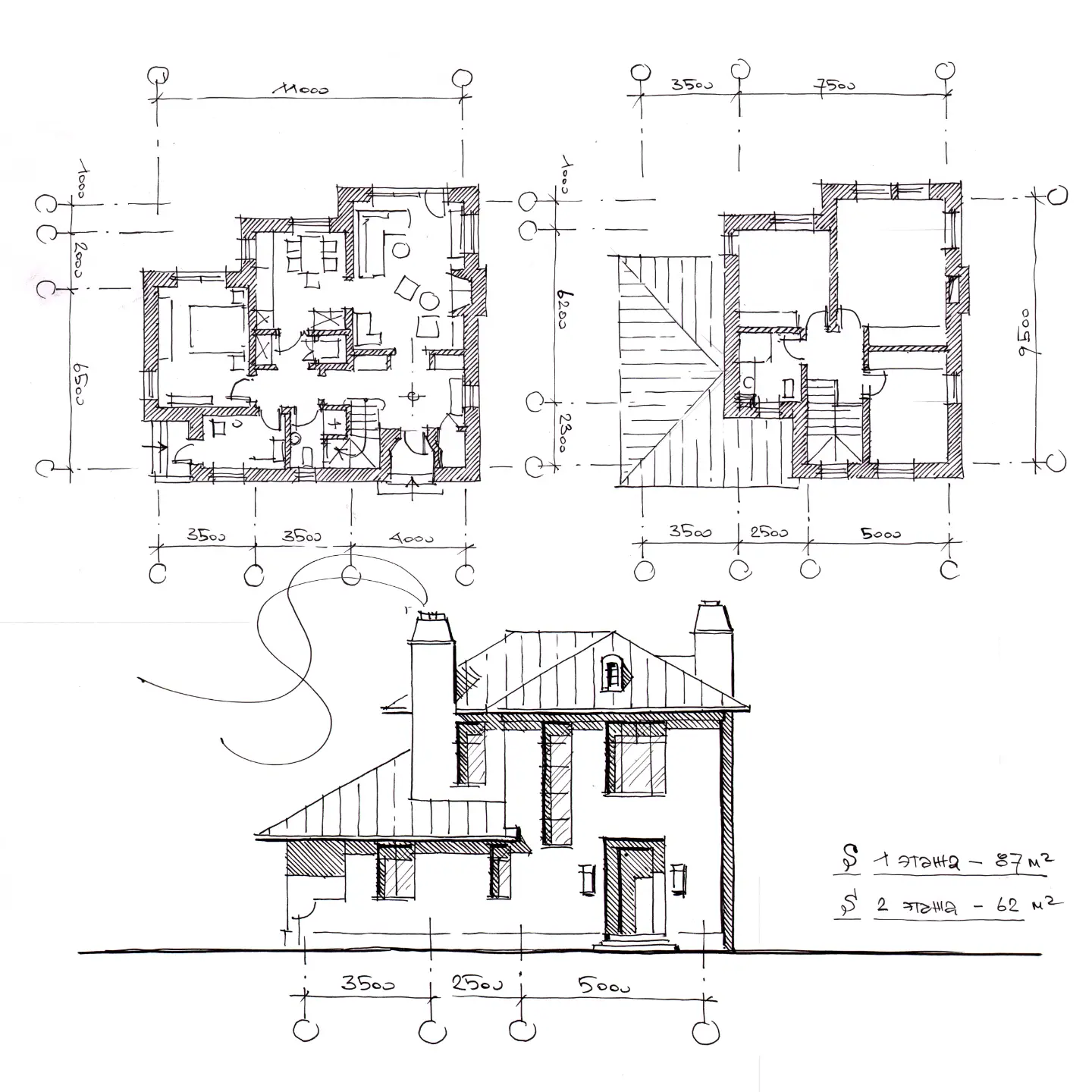
937 square feet on the ground floor and 667 on the second floor for a total of 6504 total square feet. It’s a decent size house, yet it still seems compact. I like the metal roof and the stucco exterior. The only downside I see at first glance is there’s no dedicated dining space; just a small table in the kitchen, and I’m not sure what you could do about that without increasing the overall footprint of the house. The other thing I might do is lose the bedroom directly above the Living Room and give that space a 2-story high ceiling.
0 comments
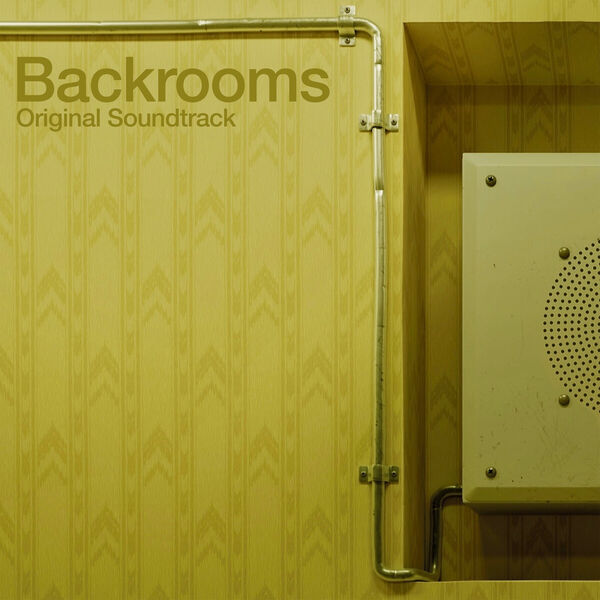
It’s because it won’t all fit on a single CD and I guess they didn’t want to go to the expense of releasing a 2-CD set. But they did two disc vinyl, so who knows?
That doesn’t mean I can’t burn it onto two CDs myself.
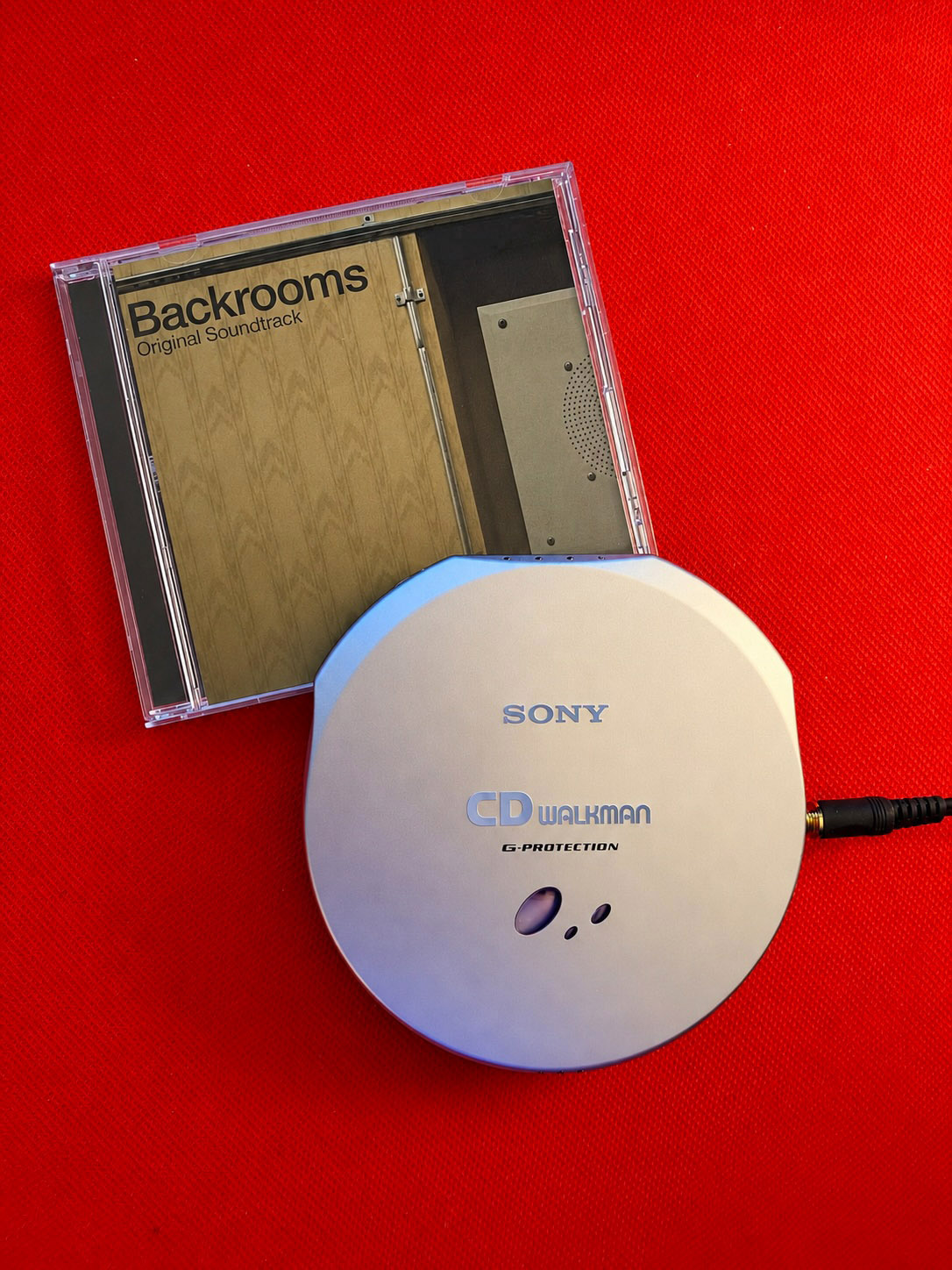
And here I thought my CD-burning days were long over.
I will admit however that Kane’s music is not everyone’s cup of tea and that even I have to be in a certain mood for it.
0 comments
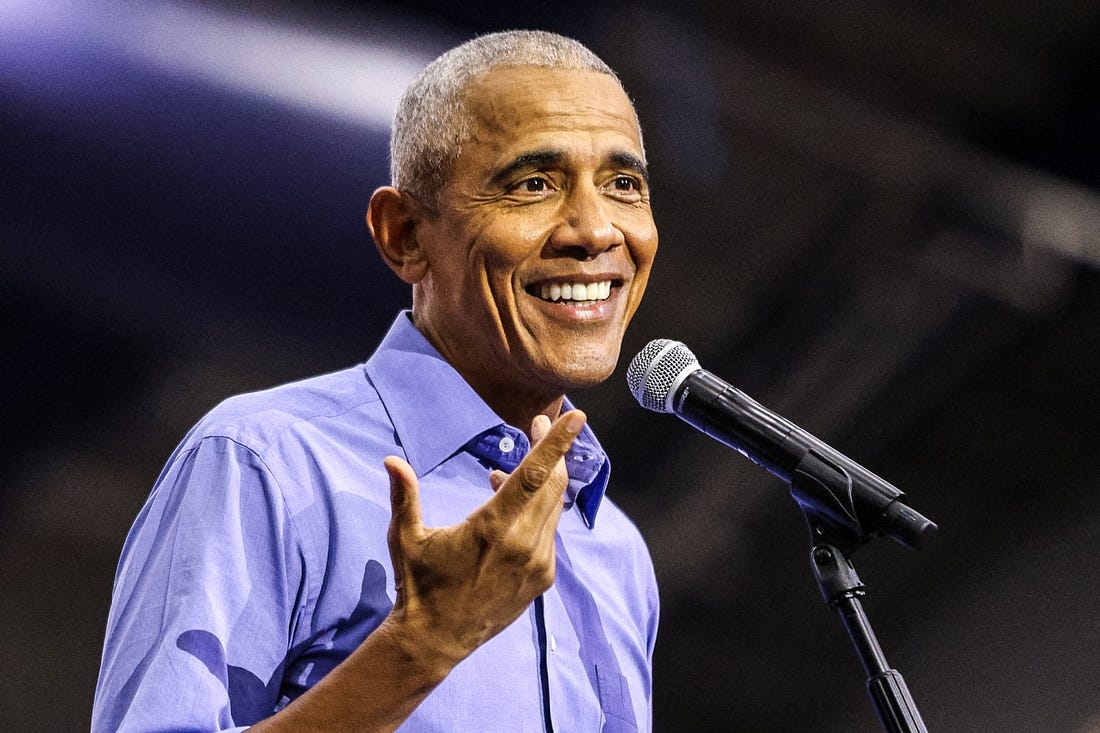
Before we get to the mozzarella-stick militia having a paroxysm of patriotic pearl-clutching because a two-term, scandal-free, infuriatingly handsome, effortlessly eloquent, smooth-as-fuck former president had the temerity to make a joke about their gilded, grievance-engorged fellatiarch’s taste in décor, a little palate cleanser.

Last night, democracy went two-for-two on the road. In Serbia, a student-led movement defeated Aleksandar Vučić’s political camp in parliamentary elections. The strongman actually acknowledged losing.
Imagine that. A fascist who can count.
In Brazil, Lula, soon to be eighty-one, came from behind and beat Flávio Bolsonaro, the junior varsity heir to the family fascism franchise, by more than four million votes. Naturally, Flávio, whom Trump’s kleptocratic regime has been trying to help into power, is refusing to concede and demanding the election be annulled.

Sound like a familiar pity-party tantrum to anybody else?
Let him howl. Every one of these defeats is a big fucking deal for democracy, for freedom worldwide, for everybody watching authoritarian assholes treat entire countries like something their sons should inherit along with billion-dollar defense contracts.
Apparently American exceptionalism means other countries get to watch their fascists lose while we get to watch ours build Versailles out of fucking gold contact paper. All I want is to wake up in a country where the good guys won, Junior’s crying into his coke pile, and his yam-dyed daddy is in a prison cell downwind of a goddamn McDonald’s, smelling fries he can’t have and listening to the steady, maddening whup… whup… WHUP of six hundred wind turbines keeping his fucking door locked.
Israel gets its chance tomorrow. Please, universe, let Netanyahu be the next genocidal goon to fall.
We get ours next Tuesday. Vote out the unctuous little congressional cock-polishers who’ve mistaken legislative oversight for keeping an eye on whether His Royal Thighness needs another pillow. Give him a House that issues subpoenas instead of compliments and a Senate that can locate its own testicles without asking his permission. I want these bastards watching election returns with their lawyers on one line and a charter pilot on the other.
But right now? I’m here to laugh at MAGA.
This one goes out to you, you tallow-brained, Trump-tumescent troglodytes, you suppositories of racial resentment, you sycophantic sphincter spelunkers who crawled up a con man’s ass and declared yourselves the master race.

I know you’re having a hard time lately, and I would like very much to make it worse. Because your guy is out there looking like a foreskin somebody inflated with a leaf blower, steeped in hot-dog water, and topped with the hair recovered from a motel Jacuzzi filter.
He’s short-circuiting, making strangulated, subverbal noises no speechwriter has ever had to punctuate, like a caveman on helium somebody slapped on the back while he was trying to whistle and drink chocolate milk at the same time. What the fuck do you even put in the transcript? A consonant? A wet footprint? Somebody get an anthropologist and a splash guard.
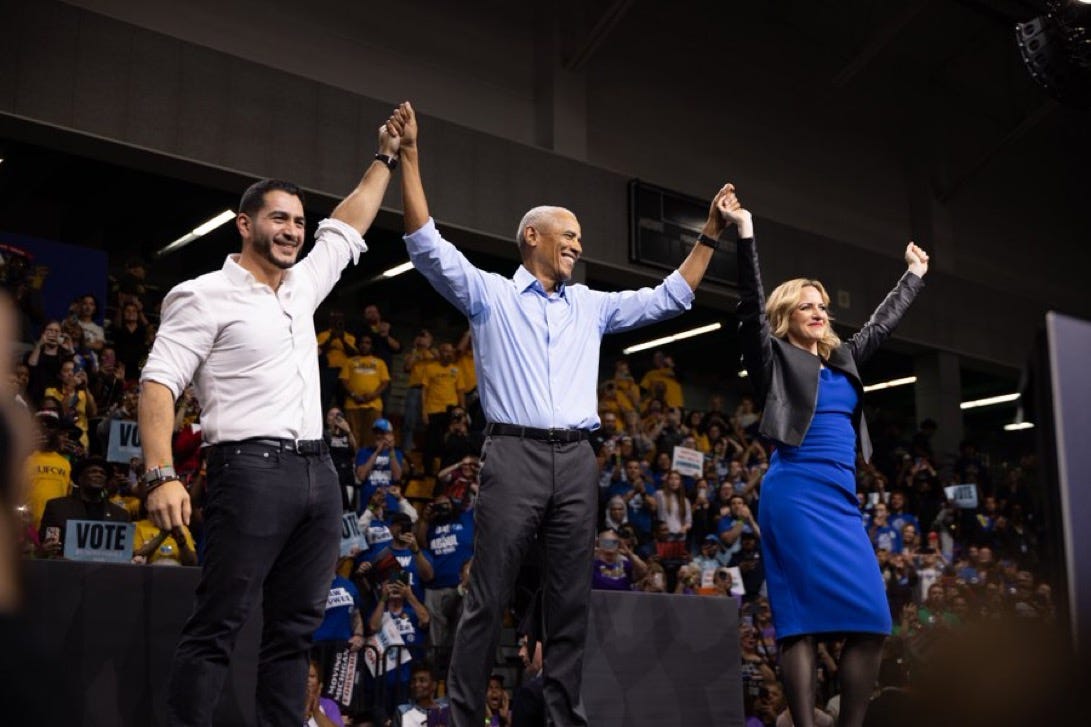
Meanwhile, we’ve got Barack Obama, that tall drink of Yes We Can, followed by Pete Buttigieg, Jon Ossoff, Abdul El-Sayed—a procession of gorgeous, literate men who don’t need both hands on the furniture to hold on to a thought.
Put Ossoff in a shirt with the sleeves rolled up and I’ll canvass a county I can’t pronounce. Pete and Jon? A dream ticket I could get behind. Or in front of. However they want me. I have questions about their positions, and very few concern the filibuster.
But I digress.
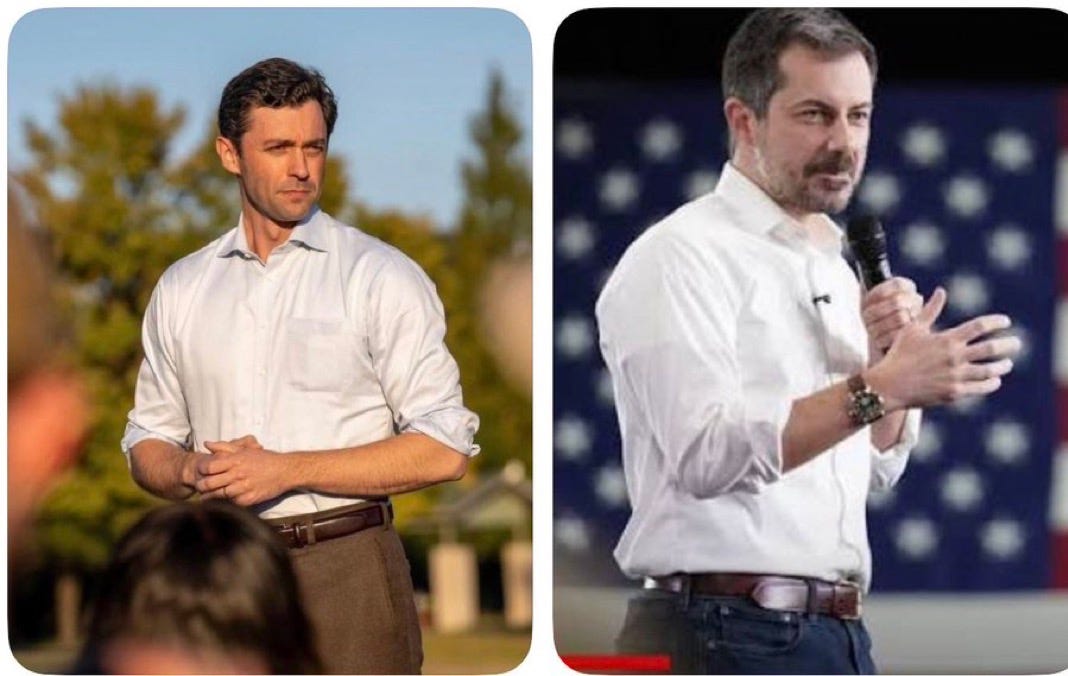
And there you are, MAGA, having spent ten years insisting Trump is the consummate alpha male, watching Obama remind you—with one joke—that you’ve pledged your life, your paycheck, and your last shred of dignity to a scrotal-reconstruction lawsuit in a red tie.
So, here goes…
Dear Ma and Pa MAGA,
You absolute fucking idiots.
You tariff-tenderized, Toby-Keith-tatted tailgate theologians of the Tuscan chicken flatbread. Have a seat. Loosen the elastic on them Sunday-best sweatpants.
Obama said Trump’s got the White House looking like “Saddam Hussein opened a Cheesecake Factory,” and you gripped your rosary so hard the beads came out the other end as hush puppies.
He was being generous.
That room looks like a Las Vegas funeral parlor offering a graveside lap dance with the purchase of a premium casket. Any second, a man in a crushed-velvet tux is gonna emerge from behind a gold column to explain that the Platinum Bereavement Experience includes bottle service and a grieving hostess named Sinnamon.
With an S.
Quick sidebar, because I may actually know her. In college, I found out I was working as a stripper. News to me: my only experience with a pole was waiting at the bus stop. My seventeen-year-old stepsister had stolen my identity and was dancing under my name. Her stage name? Sinnamon. With an S. An entire career in adult entertainment without seeing a dollar, which makes me the most MAGA thing in this essay.
Anyhoo.
The Trumpian Oval Office looks like a Fabergé egg that caught gonorrhea in the back room of a strip mall nail salon, with an antique coin purse made out of eyelid skin in the middle conducting a decorating consultation entirely through the phrase “MORE FUCKING GOLD.”
This man would gold-leaf his own colon if the gastroenterologist agreed to call it the Hall of Mirrors.

Obama mocked THAT, and you, the affronted aristocracy of the appetizer sampler, decided he’d insulted the place where Real Americans™ eat.
And look, I LOVE the Cheesecake Factory. I’ll commit a succession of butter-baptized dietary atrocities beneath those inexplicably Egyptian columns until the booth requires a coroner, then leave cradling a doggy bag whose translucent grease stains provide a complete medical history.
I also love Disney World. Doesn’t mean I want a fucking churro cart beside the nuclear football.
Nobody came for your booth, Cletus. Your step-grandson’s prison-release party was never under attack.
Donald Trump has joked to supporters that $5,000 would get them one hamburger and a small dessert at Mar-a-Lago, but yes, please, PLEASE go on about how Barack Obama is losing the everyman over a fucking restaurant joke.
Trump posts a video depicting Barack and Michelle Obama as apes. MAGA laughs its ass off.
Trump mocks Rob Reiner after he and his wife are murdered. MAGA laughs its ass off.
Trump says of Robert Mueller, “Good, I’m glad he’s dead.” MAGA laughs its ass off.
Obama compares all that gold to a Cheesecake Factory run by Saddam Hussein?
HOW DARE YOU. YOU HATE ORDINARY AMERICANS. YOU’RE EVIL INCARNATE. LEAVE OUR FUCKING CHEESECAKE ALONE.
But insult the gold leaf and you lachrymose little lickspittles react like he wiped his dick on your birthday slice of Ultimate Red Velvet Cake Cheesecake.
You’ll defend the honor of a dessert menu with your last wheezing breath while the preening, parasitic prick you elected celebrates oil profits and you’re wondering whether you can afford the gas to get there.
Even your marmalade-smeared, money-grubbing, morally bankrupt messiah knew how obscene that would sound. He anticipated the criticism before announcing: “I don’t give a damn, I’m going to say it — we’re making a freaking fortune.”
We.
Oh, he’s in the “we,” all right. His personal oil and gas holdings are now estimated at $22.5 million to $81.6 million, up from $12.6 million to $46 million at the end of 2025. Those values include additional purchases, not just gains. Your petroleum-plumped peckerpotentate is practically rubbing his nipples with the quarterly statement while you price denture adhesive by the ounce and wonder whether the Second Amendment entitles you to shoot a pork chop small enough to gum.
Sweetheart, you heard “we” and thought somebody added you to the joint checking account. He meant himself and the people whose boats have smaller boats. You’re helping finance a second staircase on something that fucking floats.

But you deferential, dickriding dipshits would hold the flashlight while he siphoned your gasoline into his yacht through a monogrammed garden hose, then coast home on fumes explaining that Obama thinks he’s too good for you.
Perhaps the class enemy was the gentleman with your gasoline in his mouth, Earl.
The tariffs were supposed to make you rich. Your peace candidate dragged us into a war with Iran. Now you’re wearing a shirt with two bald eagles having bannerific intercourse over the Constitution, pleading with a blinking card reader to recognize that you voted for prosperity while the machine requests something your entire political philosophy was supposed to render unnecessary: sufficient fucking funds.
But admitting you got played would require an exhumation of every sanctimonious sermon you delivered across a Thanksgiving table, every time you called a relative brainwashed, every gun-toting Jesus meme you dispatched from the University of Your Own Ass.
Your niece’s pronouns did not raise your grocery bill. The blue-haired barista never had jurisdiction over the Strait of Hormuz. And you’d rather excavate your own prostate with a shrimp fork than give your liberal daughter the satisfaction of hearing she was right.
The well-paid MAGA mouthpieces know it. The second these oleaginous little oligarch groupies spot the first flicker of quasi-comprehension crossing your face, they smother it with a fresh star-spangled panic.
Look over here, sugar tits. The uppity Black man has impugned the architectural integrity of your sacred feeding grounds.

Back on the outrage teat you go. Somebody darker to resent, an immigrant to blame, anyone you can shove beneath you before you have to look at who’s standing on your fucking neck.
Lyndon Johnson understood the arrangement:
“If you can convince the lowest white man he’s better than the best colored man, he won’t notice you’re picking his pocket. Hell, give him somebody to look down on, and he’ll empty his pockets for you.”
So sure, investigate the cheesecake remark. Impound the dessert trolley. Haul a frightened busboy before Jim Jordan and demand to know when the tiramisu became radicalized. Your fossil-fueled Marie Antoinette in a spray tan and a pontoon boat tarp is purring “let them eat cheesecake,” and you’re demanding an apology from the man who insulted his gilding.
I don’t give a single deep-fried, flag-bedazzled fuck about your manufactured outrage. You’re praying to the patron saint of declined debit cards, and the only emergency you’ve identified is a Black man who called the gold tacky.
Your million-dollar-an-hour, malignantly moronic mountebank knows you’re getting screwed. He could wipe caviar off his chin with your fucking foreclosure notice and you’d still swear he was just a regular guy trying to keep a roof over your head.
He’s hosting dinners for his billionaire buddies where you’d have to sell both kidneys just to afford the free bread.
But sure. Obama is the one treating you like you’re fucking stupid.
1 comments
All I can say is:

WOOHOO!
I got my entire iced latte down today the normal way! No tubes!
It took me hours, but it happened!
1 comments

At least for me! Late to the party as usual, but damn, a separate headphone amp really does make a difference!
I bought this FiiO K5Pro ESS Headphone Amplifier a year ago to more easily control the volume on a pair of powered speakers I was using at my desk. I didn’t really think too much of the sound quality of the FiiO one way or another, and when I swapped out those speakers with a different pair some months later it became a superfluous piece of equipment that was boxed back up and put in the closet.
Well, since getting my Sennheisers a couple months ago, driving them to an acceptable volume on either my MiniDisc or CD walkman players has been problematic without cranking everything up to one step short of max. The two players I have that will drive the Sennheisers—despite their absolutely awesome sound—because of their advanced age won’t play every CD I put in them. So there’s that.
I remembered I had the FiiO in storage, so I pulled it out and hooked it to one of the CD Walkmans I have that has a dedicated optical LINE OUT jack via a SPDIF cable to the FiiO. After a few days I still wasn’t aware of any improvement in sound, but it certainly did provide the power the Sennheisers needed. The FiiO is a headphone amp, after all.
It was only after I connected the headphone jack directly to the CD player and then reconnected it back to the FiiO did I realize how much better evrerthing sounded. More crisp, more alive. Punchy bass. In other words, my reaction was “Wow!”
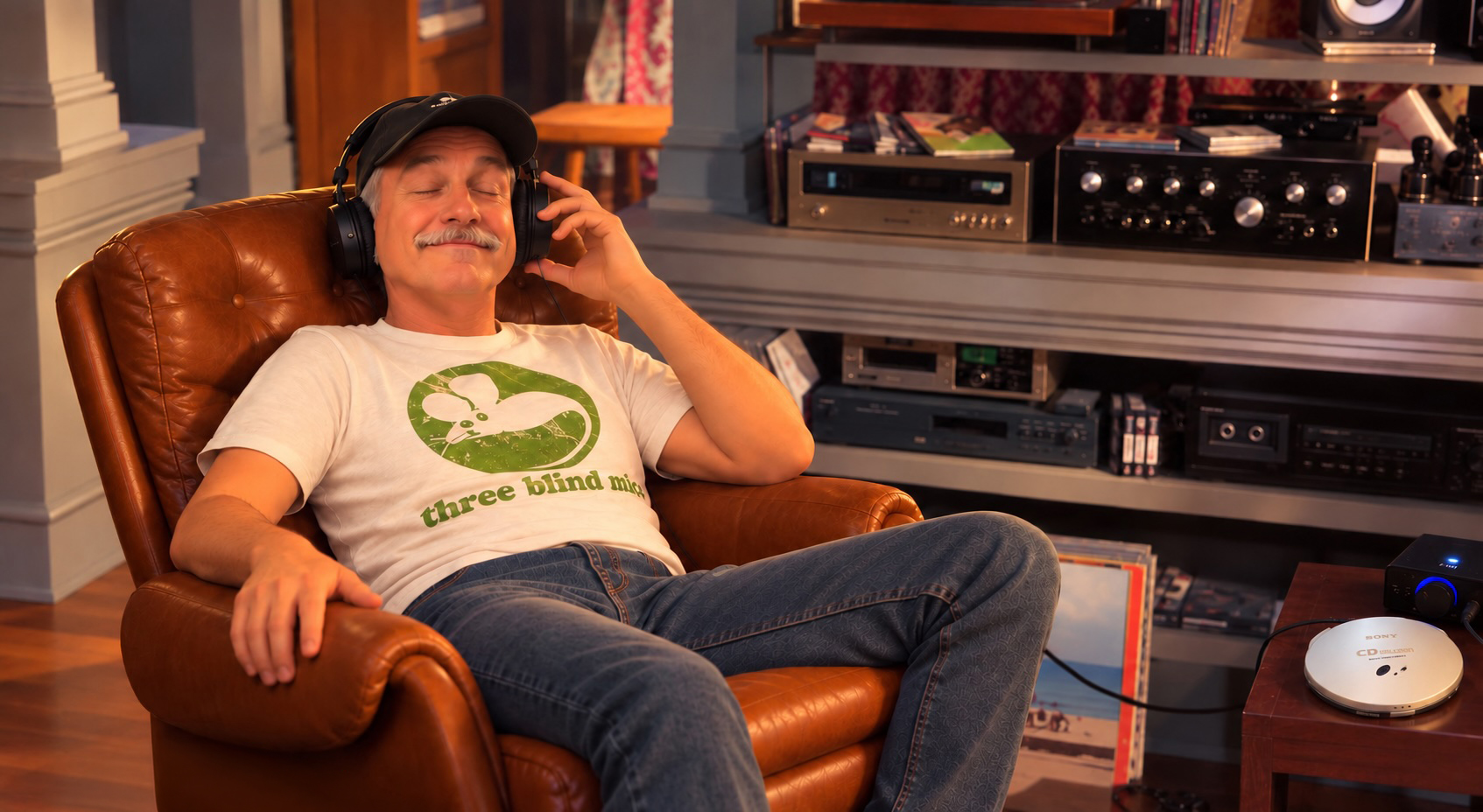
So what am I listening to?
“Baby Let Me Kiss You”

0 comments
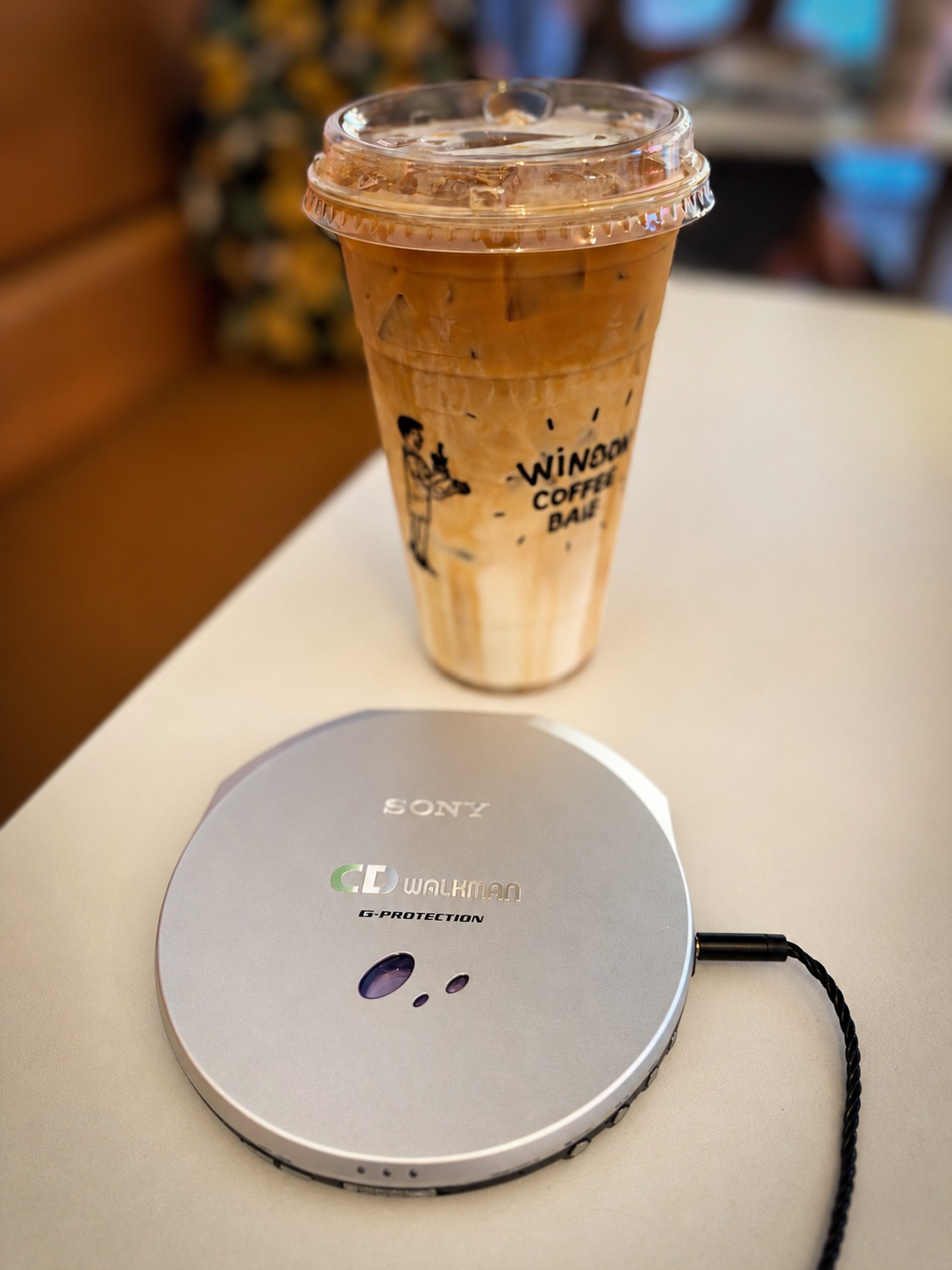
The perfect day consisted of brunch followed by a couple hours at our favorite coffee joint.
We haven’t had Sunday brunch since before my surgery in September a year ago that robbed me of my ability to swallow not only food, but pretty much anything. I thought I’d found a workaround to this conundrum last Christmas when I went with him, his dad and his aunt for a steak dinner. I ordered mine to go, and while the logistics of it worked out fine, I discovered the emotional toll of just sitting there trying to muster a smile while everyone else was eating was more than I ever wanted to try again.
But, being the trooper that I am, I tried it again again at his dad’s birthday last summer. A more extended group of family was in attendance for that, and it was as if I was completely invisible. No thanks, I’d had enough and gave up any aspirations of public dining ever again.
Well lately, I think both and I have been missing our Sunday brunches, so this morning I suggested we go today. My attitude toward, well, everything has improved significantly of late, and I thought I could now handle ordering my food to go and sitting with Ben while he finished his breakfast.
Turns out I could. I’ve been allowing my current situation to ruin so many aspects of my life, something finally clicked over the fast few days and I told myself, “Enough! Let go of this bullshit and get on with your goddamned life!”
When we were finished at First Watch, we headed over to Window for our usual weekend coffee date.
I still can’t drink coffee the way I used to, but I can have a few sips and nurse it until I can get it home and squirt it through the g-tube like a normal person.
All in all, it was a good day.
But make no mistake: cancer—or more specifically, cancer treatment still sucks—and damn poorly at that!
3 comments
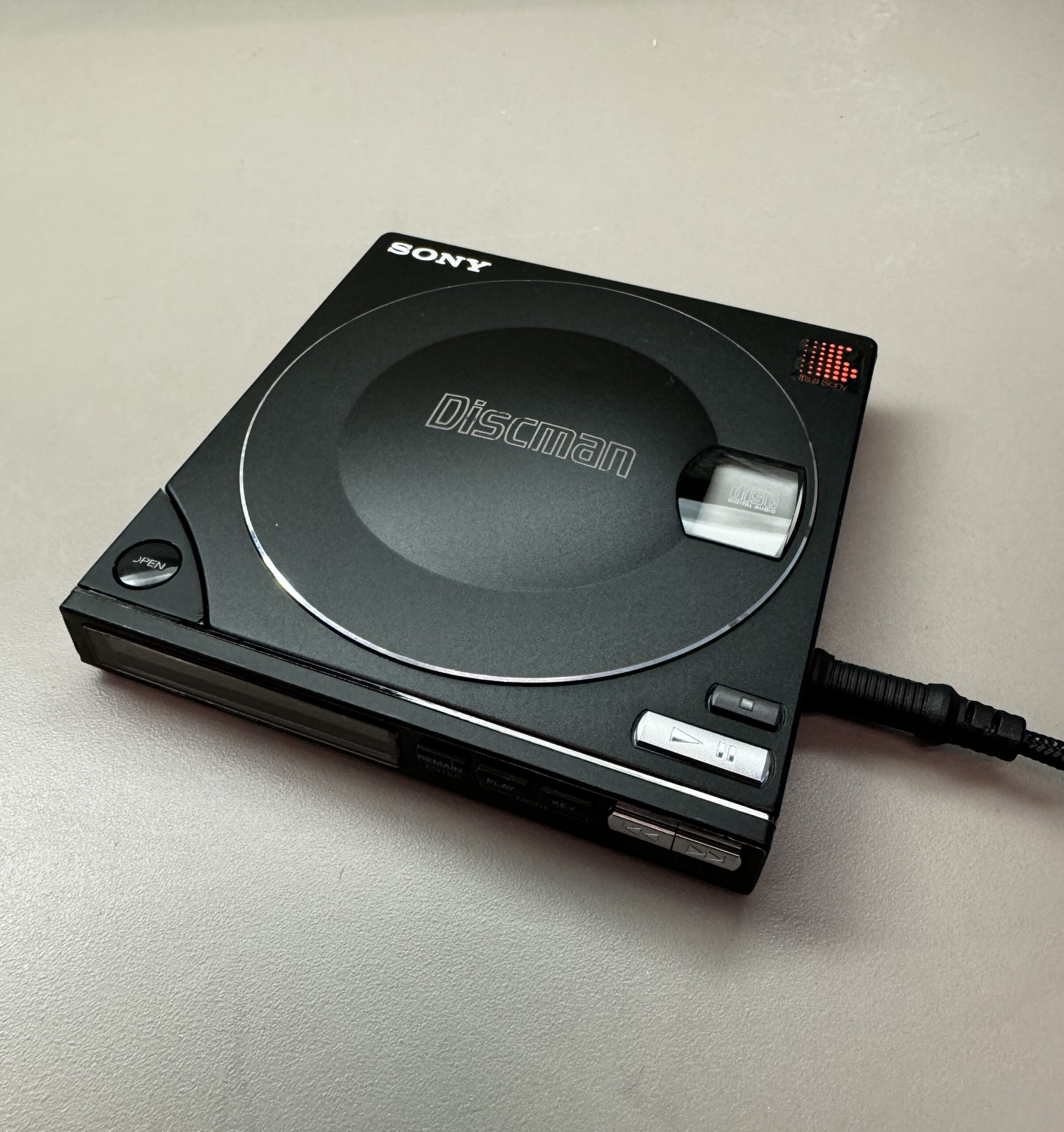
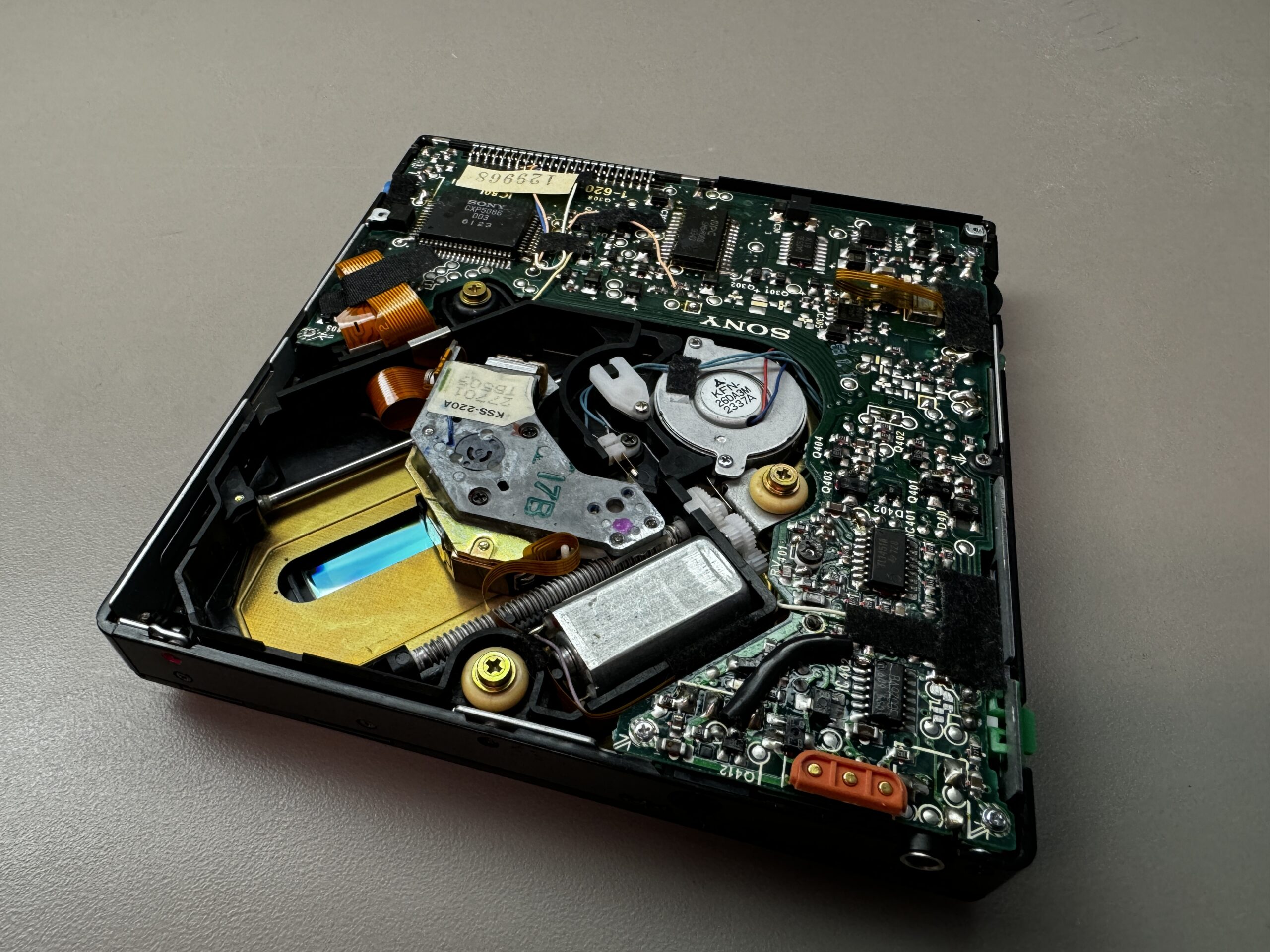
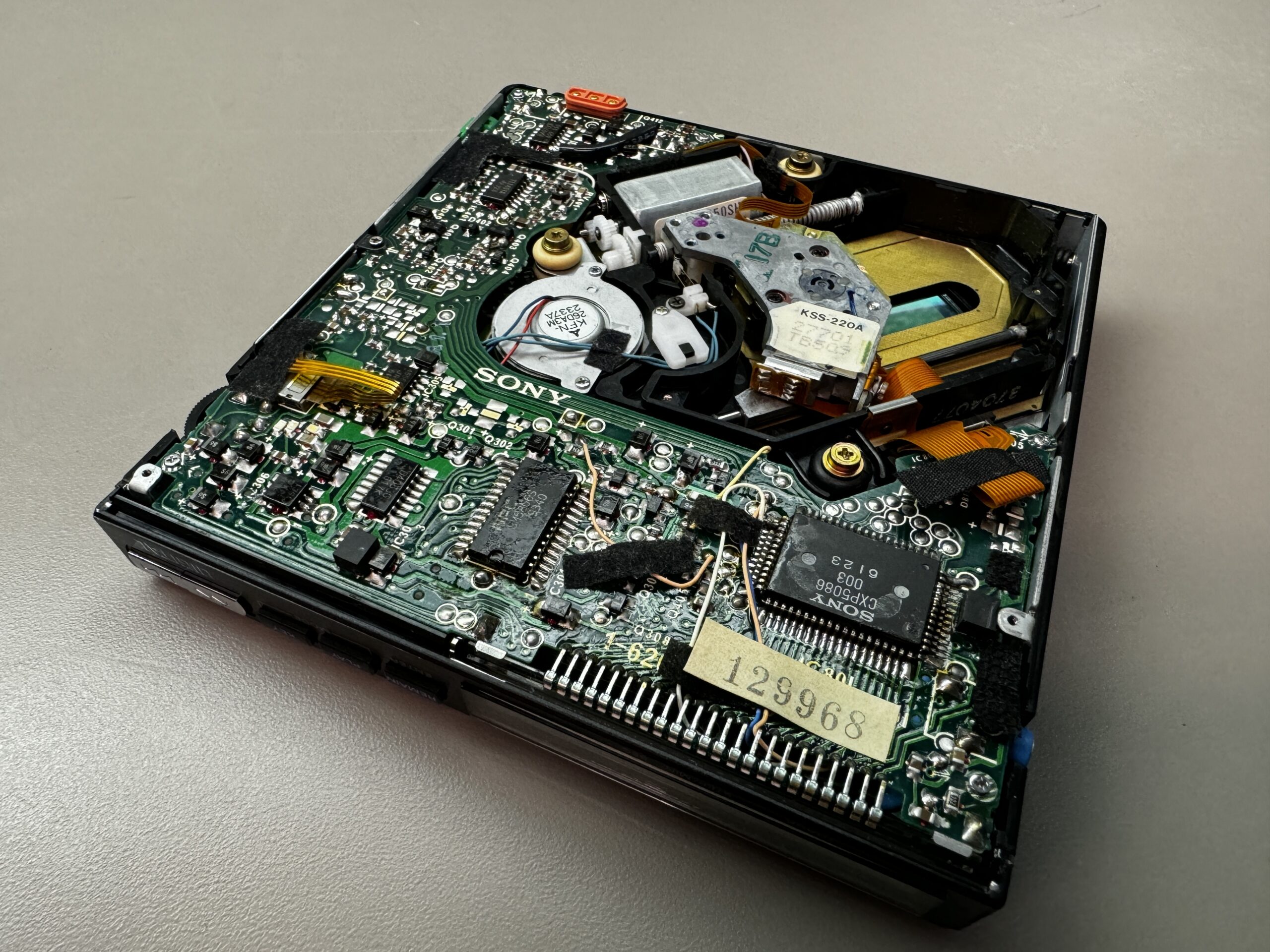
I may have published these pix already some time ago. This was done as more of a test of altering the way the gallery displays than anything else.
0 comments
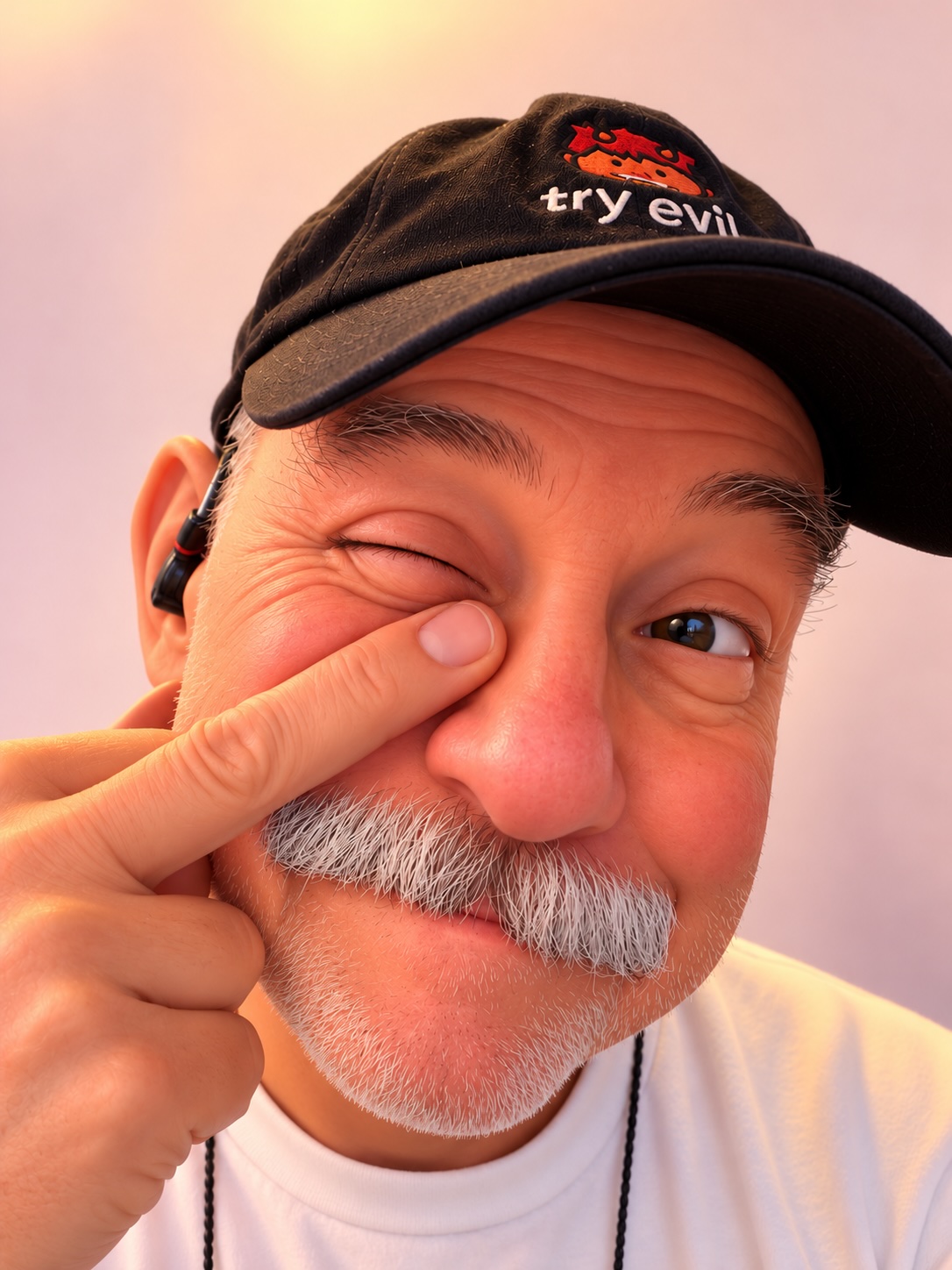
I know some of you have privately expressed concern over my newfound obsession with AI imaging.
Me, this morning to Ben: You know, it’s kind of silly, but all this AI generation I’ve been doing has done wonders.
Ben: How so?
Me: I mean, it’s hard to say, but all I know is that it’s snapped me out of my year-long depression, gotten my mind off the state of the world, and has given me a reason to get up in the morning beyond going to the next doctor appointment. I’m creating and enjoying life again.
Ben: That’s great! And it’s all that matters!
And before you leave comments that I’m not the one actually creating anything, I beg to differ. I do supply the source material from my personal photography that the AI works with. Occasionally I glean a public photo to incorporate in the composition. How does that differ from editing one of my own photographs and manually incorporating elements from a different photo manually in Photoshop of Photocraft to improve upon it? It doesn’t. And yes, AI does all the heavy lifting to generate the image itself, but learning how to write the prompts to actually get what you want is also part of the human creative process. Does AI steal my original photos to improve its abilities? Probably, but I honestly don’t care.
And like I said, it’s snapped me out of a year-long depression that I didn’t even realize was there until it was lifted. So…
4 comments
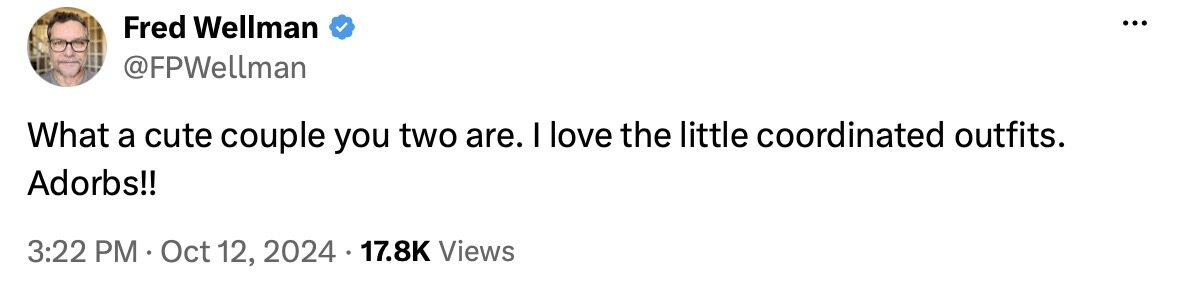
Trump-MAGA-Republicans love to excoriate liberals — including, for example, James Talarico who is running for U.S. Senate in Texas — frequently implying they’re gay.
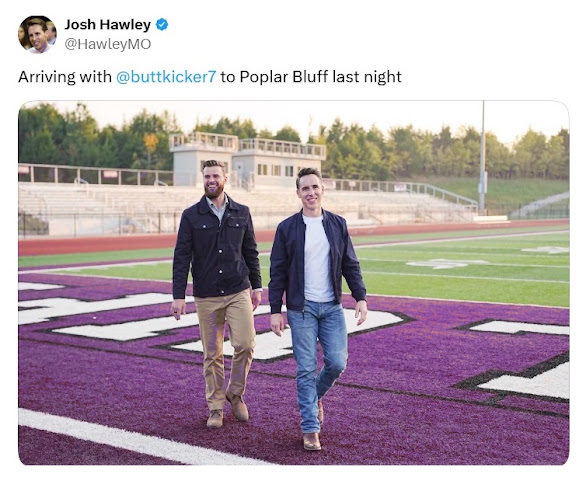
Okay. On the theory that “where there’s smoke there’s fire” this is the picture Senator Josh Hawley (R-MO) posted with BFF Harrison “Buttkicker” Butker of the Kansas City Chiefs on National Coming Out Day in 2024. Surely a totally-str8-no-homo coincidence. Buttkicker (l) and Hawley (r).
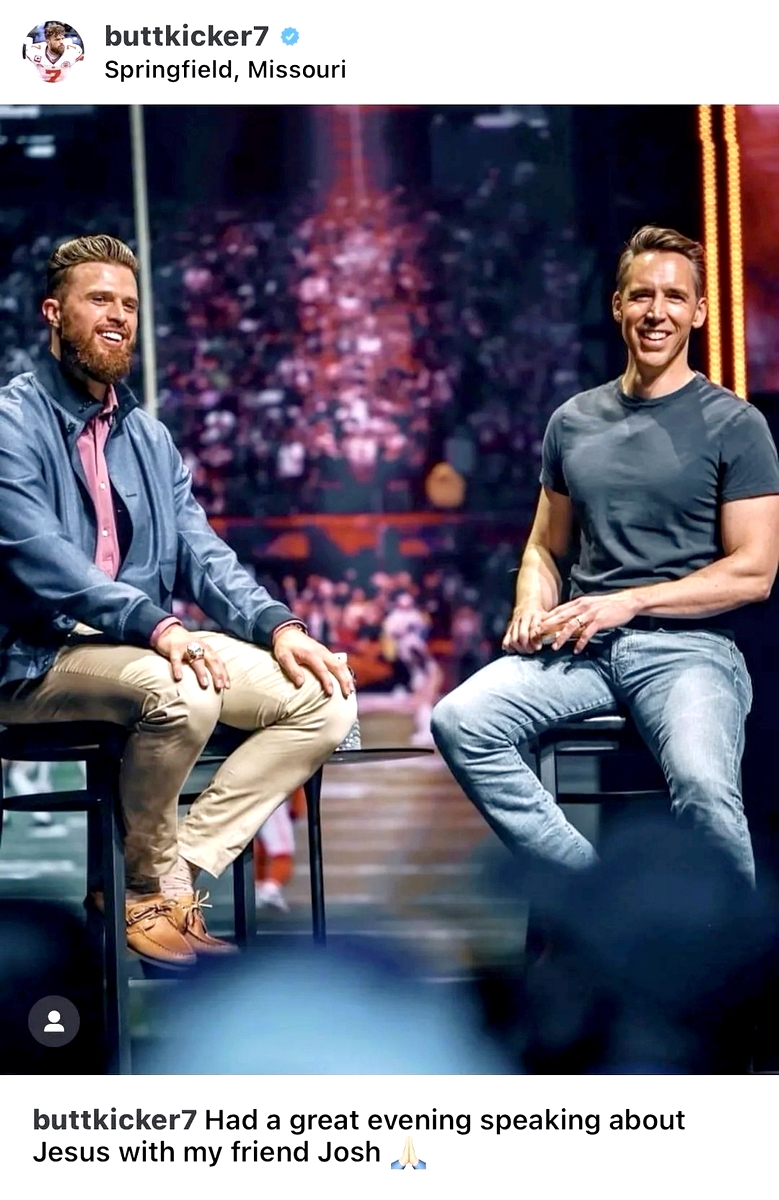
[source]
1 comments

And just think…all this could’ve been yours for only $20—including materials or, you know, the actual construction.
What stands out to me immediately is the size of the Utility Room and the first thing you see when you walk in the front door is the washer and dryer on the other side of the house. I think what I’d do is run that hallway all the way to the back of the house, put in a French door there, and the reconfigure the remaining Kitchen/Utility area in a way that better utilized the space and offered its own private exit to the back yard. I’d probably also knock out that wall between the Living and Dining Rooms.
Upstairs in the rear bedroom I’d get rid of that dressing shelf or whatever it is and push the toilet wall out so the entire “south” wall in that Bedroom is flush for the entire length. I’d also pop a door somewhere in there that connects to the front Bedroom to create a pseudo Master Suite.
2 comments